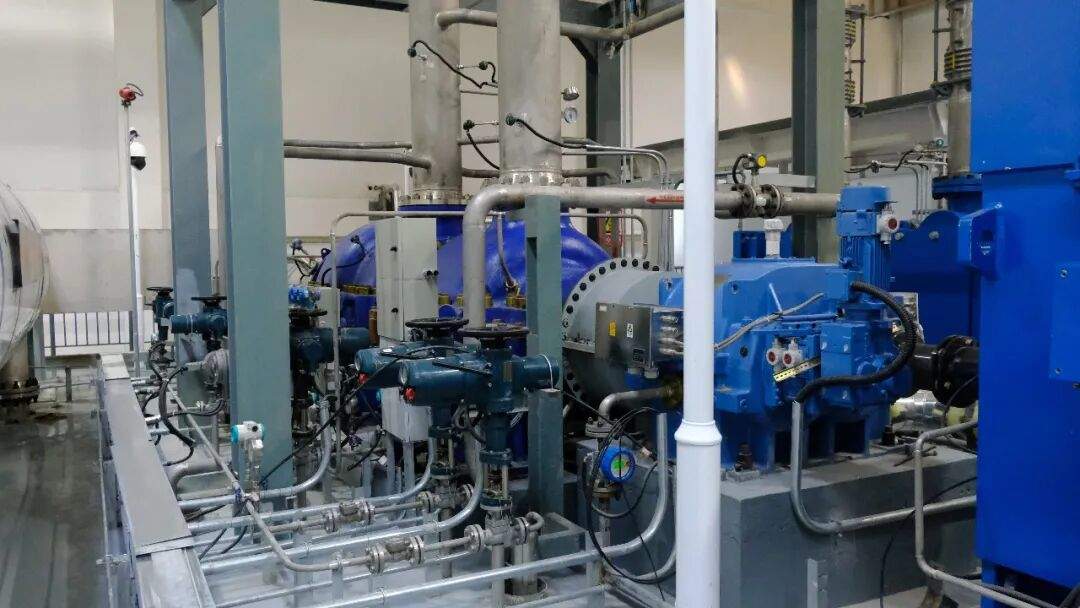
Wedoany.com Report on Mar 9th, U.S. startup TalusAg is advancing green hydrogen applications to help farmers reduce reliance on imported ammonia fertilizer. In collaboration with agricultural cooperative Central Farm Service and carbon accounting company CleanCounts, the company announced plans on March 5 to build two full-scale "Talus 10" ammonia production facilities in Minnesota. These facilities will use renewable energy to power electrolyzers, with each system capable of producing up to 20 tons of green ammonia per day, covering over 100,000 acres of farmland.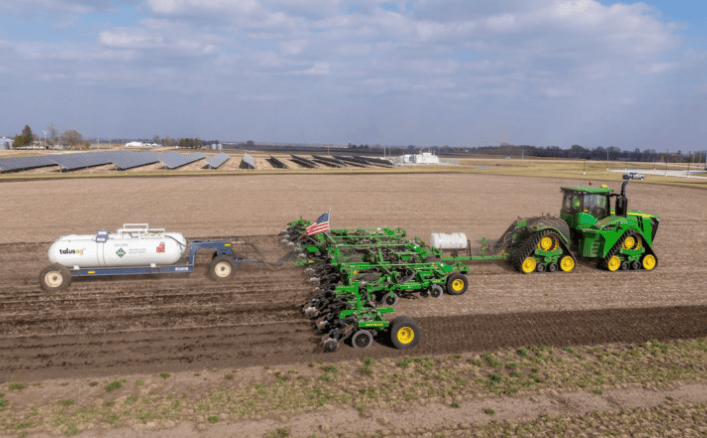
Green hydrogen is extracted from water via electrolysis systems and can replace the hydrogen in traditional ammonia fertilizer. Although electrolysis costs are high, global market volatility is making green hydrogen more financially competitive. The modular system developed by TalusAg is designed for local deployment, with its first commercial pilot launched last year in Boone, Iowa. Central Farm Service estimates that ammonia produced at the new facilities will account for more than two-thirds of its annual sales, benefiting over 4,500 farmers in Minnesota and northern Iowa.
The project also aims to address the challenge of wind power curtailment. The Talus 10 system can be deployed at wind farms to absorb excess electricity, avoiding curtailment during periods of low demand. Partners cited reports indicating that local green ammonia production could save taxpayers millions of dollars and reduce property tax losses. For example, Murray County saw a 34% decline in tax revenue from 2020 to 2022 due to wind power curtailment. Minnesota is part of the wind-rich MISO grid region, where wind curtailment currently stands at 8 million megawatt-hours and could exceed 15 million by 2035.
Beverage and food producer PepsiCo supports this initiative. Margaret Henry, Vice President of Sustainable Agriculture at PepsiCo, stated, "By supporting initiatives like Talus and using credible registries like CleanCounts, PepsiCo aims to advance low-carbon, locally produced fertilizer solutions, helping to enhance supply chain resilience and deliver climate benefits to agriculture." Other supporters include the Minnesota Conservative Energy Forum and the NRDC. Erik Kamrath, Hydrogen Advocate at NRDC, said, "This proposal encourages the use of electrolytic hydrogen powered by renewable energy, rather than hydrogen produced from volatile-priced natural gas for fertilizer production." TalusAg stated that the facilities can be deployed quickly to provide timely support to farmers.