China's Smart Factory Motion Control Advances Towards AI, with Trends of Software-Defined and Multi-Axis Coordination Expected by 2026
In today's factory environments characterized by high-mix manufacturing, tight production cycles, and frequent product changeovers, motion control is undergoing a profound transformation from a "movement unit" to an "intelligent node." As AI deeply integrates with motion control, smart factory systems not only gain data-driven adaptive capabilities but also, through real-time trajectory optimization and anomaly prediction, maintain high precision at high speeds, becoming a core tool for tackling complex production challenges.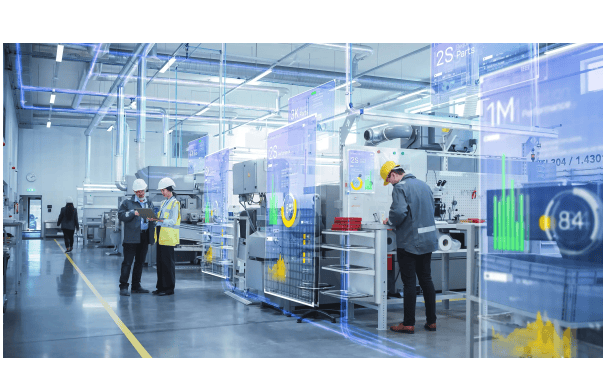
AI-enhanced motion control breaks through the limitations of traditional deterministic solutions. Traditional systems rely on fixed rules and are prone to precision degradation due to component wear or process fluctuations. In contrast, AI enables dynamic optimization, anomaly prediction, and adaptive coordination through continuous learning of equipment dynamics. For instance, in robotic path planning, AI can integrate vision guidance and force control compensation to simultaneously improve precision and speed. In logistics sorting scenarios, vibration suppression algorithms and dynamic obstacle avoidance strategies allow operations to flexibly adapt to products of various shapes, significantly boosting efficiency.
In practical applications, AI models integrate multi-dimensional data such as position, current, and vibration, enabling low-latency analysis through edge devices. In the aerospace sector, multi-axis coordinated control and real-time correction technologies enhance the stability of precision guidance. For medical surgical robots, micro-jitter suppression and sub-millimeter positioning technologies reduce the risk of human intervention. Industry cases show that a European packaging equipment manufacturer increased production line throughput by 33% in a smart factory using a digital twin-trained unwinding controller. An automotive manufacturer effectively prevented unplanned smart factory downtime by utilizing edge analytics to detect early faults in servo presses.
Safety and return on investment represent the dual value of AI-powered smart factory motion control. Collaborative robots, through AI detection of human presence and motion prediction, create safer human-robot collaboration spaces. Automotive manufacturers use AI vision robots to locate weld spots, allowing real-time parameter adjustments even for minor panel variations, thereby reducing smart factory rework. Experts recommend using before-and-after models to evaluate AI implementation effectiveness, systematically comparing benefits such as avoided downtime and quality improvements against costs to accurately measure smart factory return on investment.
Related Products
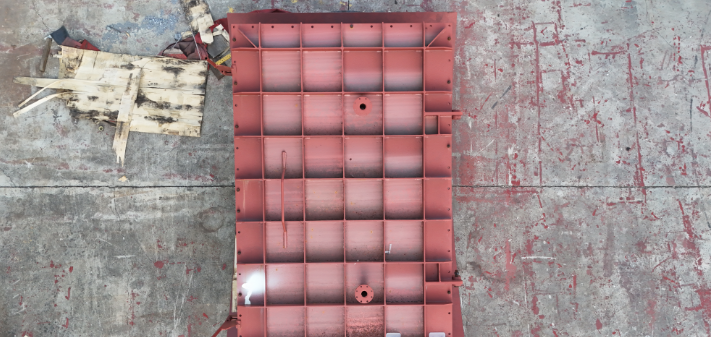

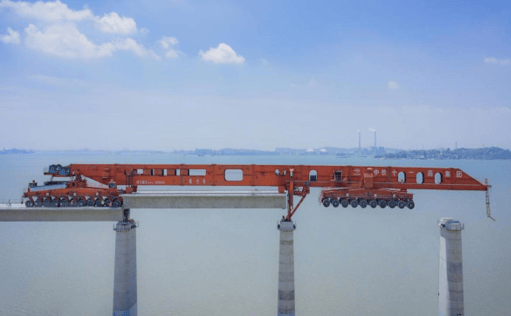
High-Speed Railway Lifting, Transporting, and Erecting Equipment: Integrated Transport and Erection Machine
Hanjiang Heavy Industry Co., Ltd. of China Railway 11th Bureau Group
CAP1400 main feedwater flow nozzle flowmeter.
Jiangsu Hongda Instrument Technology Co., LTD.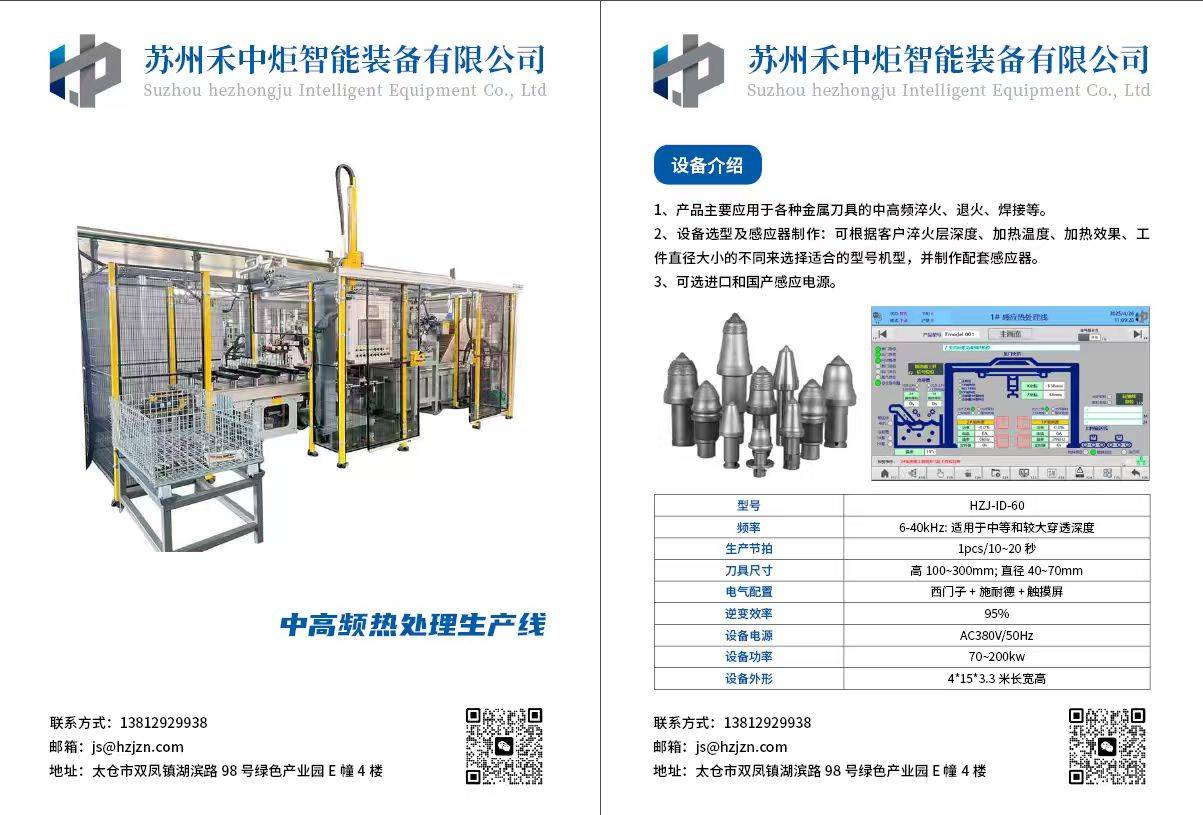
Excavator Bucket Teeth Heat Treatment Production Line
Suzhou Hezhongju Intelligent Equipment Co., Ltd.
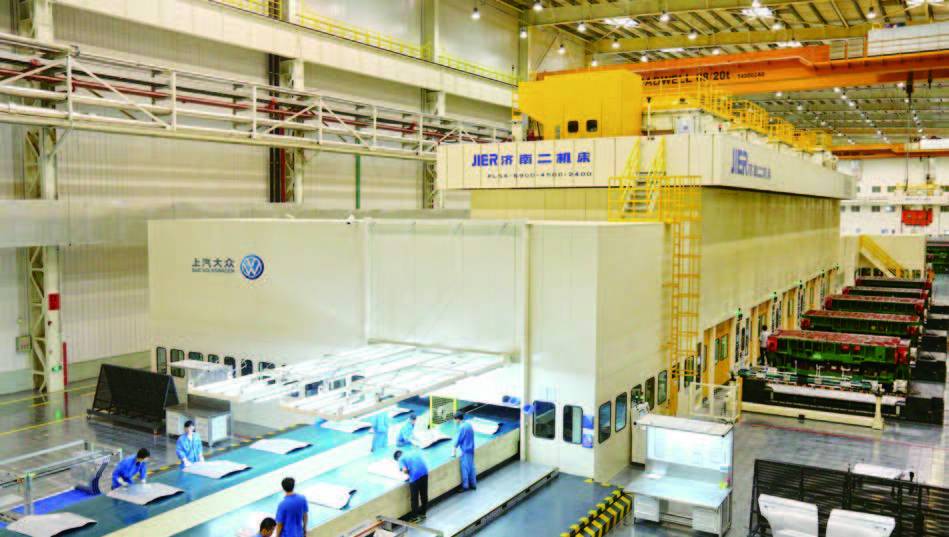
High-Speed Flexible Fully Automatic Stamping Production Line
JIER Machine-Tool Group Co., Ltd.

Pneumatic high-pressure wear-resistant ball valve
Zhejiang Deca Control Valve Meter Co., Ltd.
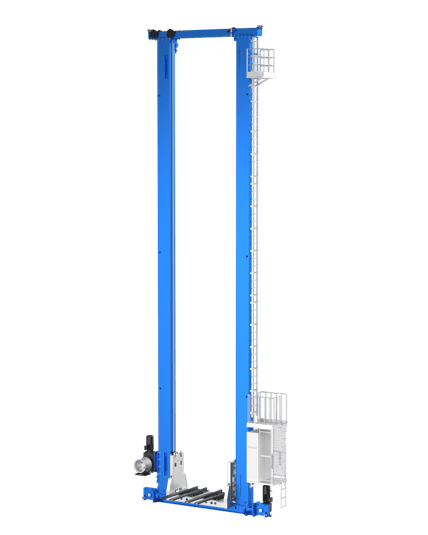
Pallet Solutions Product Line: HD3000 Double-Column Stacker Crane
Zhongding Intelligent (Wuxi) Technology Co., Ltd.