Wedoany.com Report on Mar 11th, During Tuesday's earnings call, ASUS Co-CEO S.Y. Hsu pointed out that Apple's launch of the MacBook Neo with a starting price of $599 poses a significant challenge to the Windows PC industry. He stated, "In the past, Apple's products were priced higher. This time, launching a more affordable model has created an impact on the entire industry." Hsu believes this strategy will force PC manufacturers to reassess their market positioning.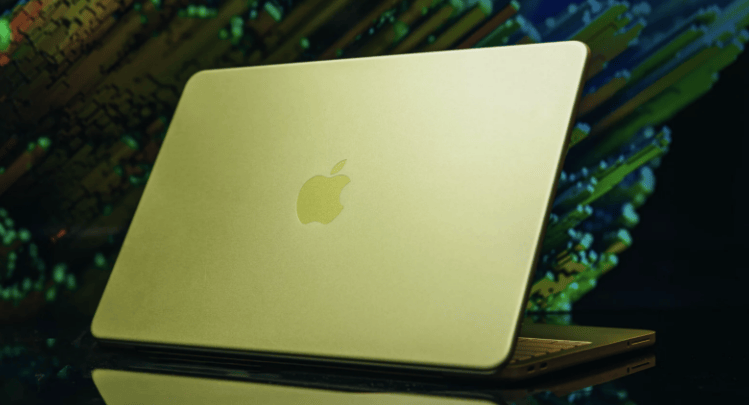
Hsu mentioned that participants in the PC ecosystem, including Microsoft, Intel, and AMD, have begun discussions on how to respond to the competition from the MacBook Neo. He added, "In fact, there has already been a lot of discussion within the industry about competitive strategies for this product." Although rumors about the MacBook Neo have circulated for a long time, its official announcement has still garnered widespread attention.
However, Hsu also pointed out the limitations of the MacBook Neo. He emphasized that the device's 8GB unified memory configuration is not upgradeable and described it as a "content consumption" device, similar to an iPad. He said, "This is different from the usage scenarios of mainstream notebooks, which are more suitable for compute-intensive tasks." PCMag gave the MacBook Neo an "Excellent" rating in its review, praising its basic computing performance and light gaming capabilities. Pre-orders started last week, with an original release date of March 11, but shipments have been delayed by several weeks.
Hsu stated, "It will take time to observe the extent of the MacBook Neo's impact on the PC industry." He suggested that software differences might limit its adoption among Windows users. Meanwhile, the PC industry is facing a bottleneck due to AI-driven memory shortages, leading to price increases for consumer electronics. ASUS reported in the call that memory prices have increased by over 100% quarter-over-quarter, consistent with data from manufacturers like HP. Hsu said that once ASUS's memory inventory is depleted, the company will evaluate product pricing to maintain competitiveness. The tight memory supply is expected to last for two years, with new factories not expected to be operational until the end of 2027.
Related Products
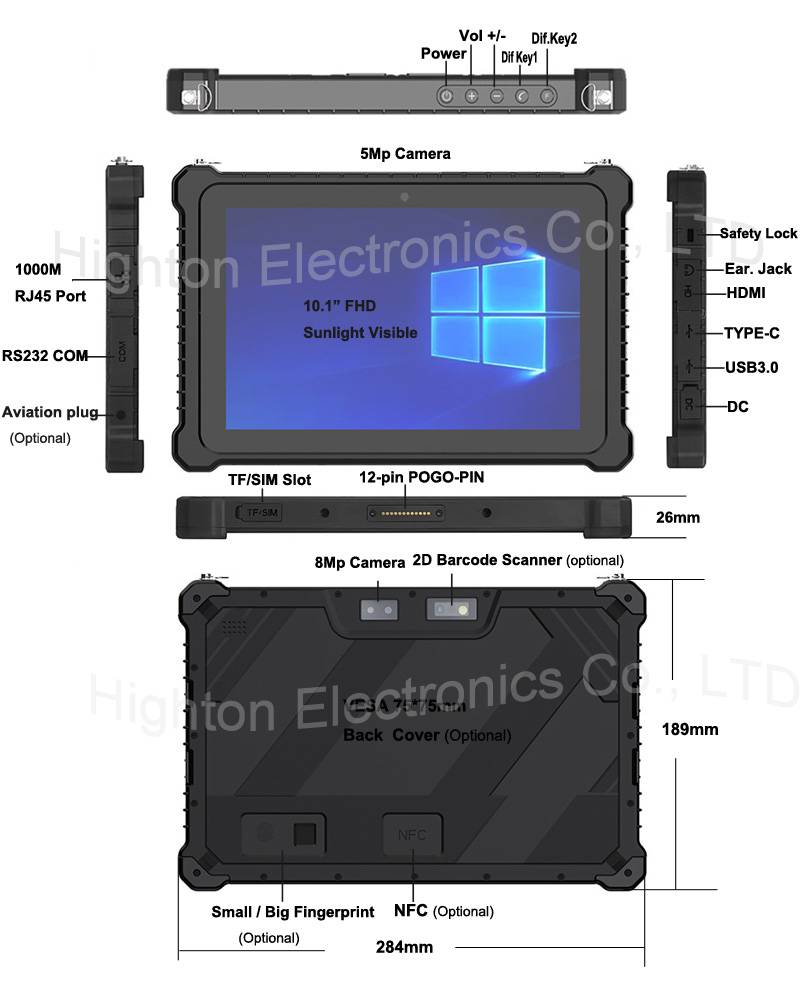

Hot Selling 10 Inch Intel N5100 I5 I7 FHD 8 +128GB 16+256GB Win10 Pro Win11 Pro 4G 5G Rugged Tablet PC Pad with NFC Barcode
Highton Electronics Co., Ltd.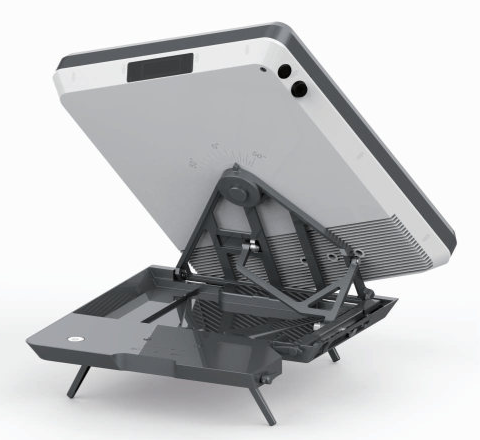
Flat Portable Satellite Terminal 0.35m Aperture Manual Portable Terminal
China Starwin Science & Technology Co., Ltd.

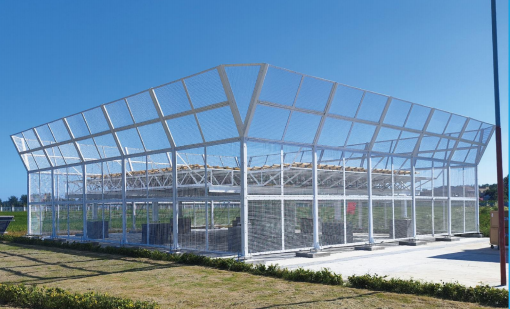
TWP16 P-Band Tropospheric Wind Profile Radar
China Huayun Meteorological Technology Group Co., Ltd.
20 Inch 1600*900 Full HD 60Hz TFT LED Monitor with VGA and DP Interfaces for Desktop Computers-Business Use
Guangzhou Zanying Optoelectronics Technology Co., Ltd.
GYTA Type Non-Self-Supporting Aerial/Duct Optical Cable
TONGDING INTERCONNECTION INFORMATION CO., LTD.