Australian Utility Switches on Solar Farm Built for Cyclonic Conditions
Wedoany.com Report-Dec 05, APA Group has officially opened a solar project, designed to withstand sustained wind speeds of almost 300 kph, along with a co-located battery energy storage system in Western Australia’s Pilbara region.
Australian gas and electricity company APA Group has revealed that construction of its Port Hedland solar farm and battery project in Western Australia’s Pilbara region is now complete and commissioning is underway. Commercial operations are expected to commence in January 2025.
The Port Hedland project includes a 45 MW solar farm coupled with a 35 MW/36.7 MWh battery energy storage system. They are connected into APA’s existing gas-fired Port Hedland power station and to the North West Interconnected System (NWIS) grid and will provide electricity to BHP’s iron ore port facilities.
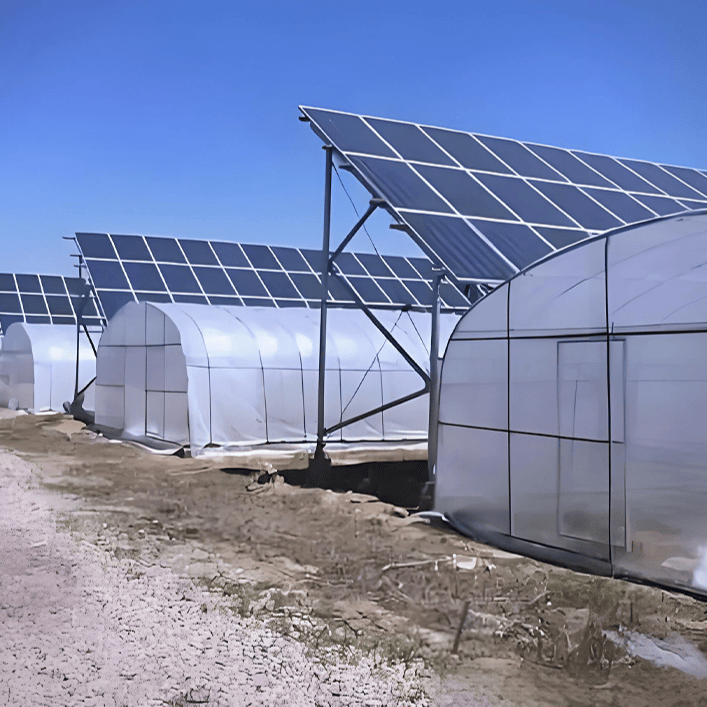
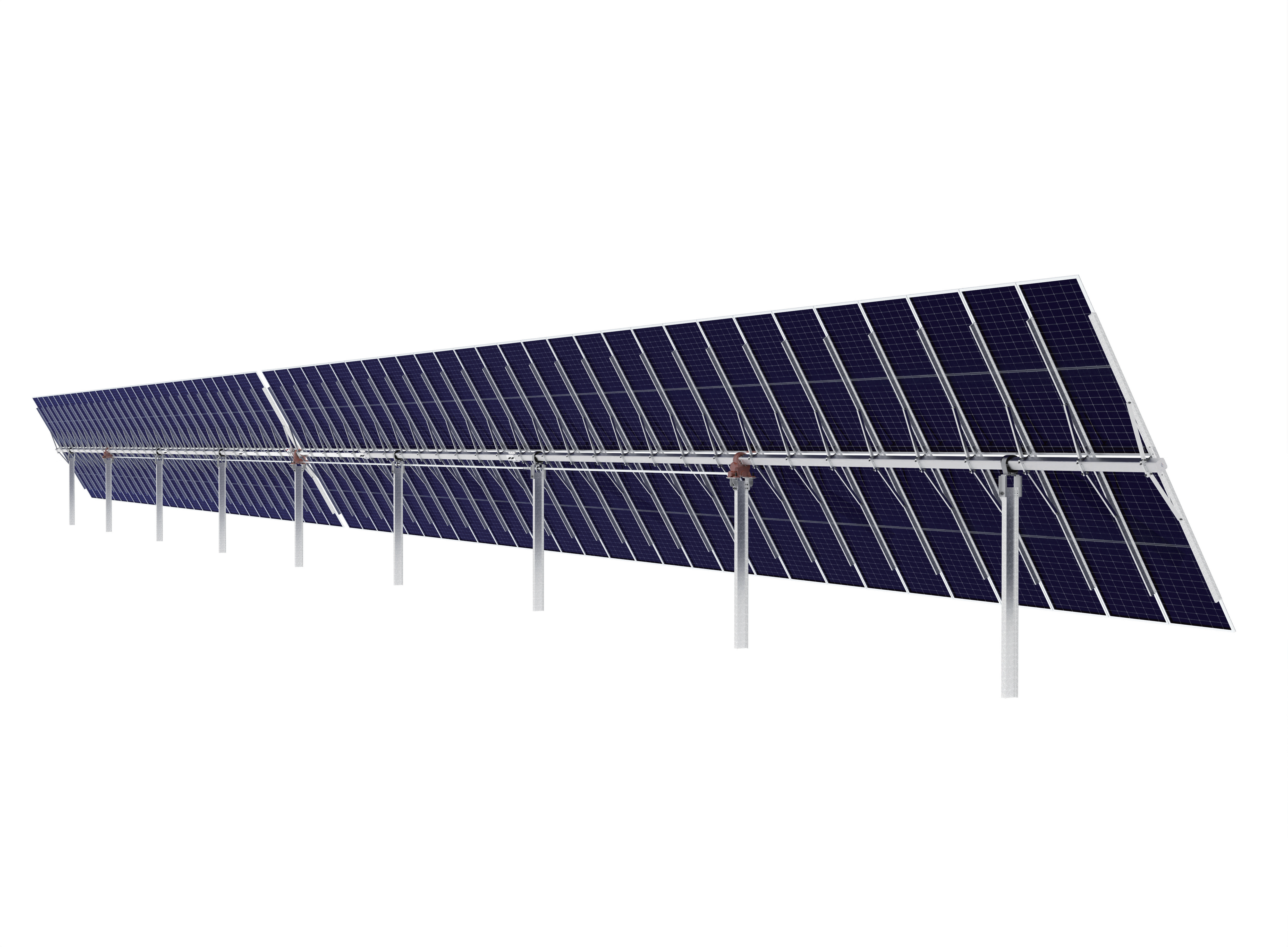
Sydney-based APA said given the project site’s proximity to the northwest Australian coastline, the solar farm has been designed to cope with severe cyclonic conditions and is capable of withstanding sustained wind speeds of 288 kph.
“While the installation of solar in the inland regions of the Pilbara is relatively straight forward, coastal solar deployment has remained stagnant due to the difficulty in designing renewable energy infrastructure capable of withstanding the extreme wind speeds associated with cyclones, which are prevalent in the region,” the company said.
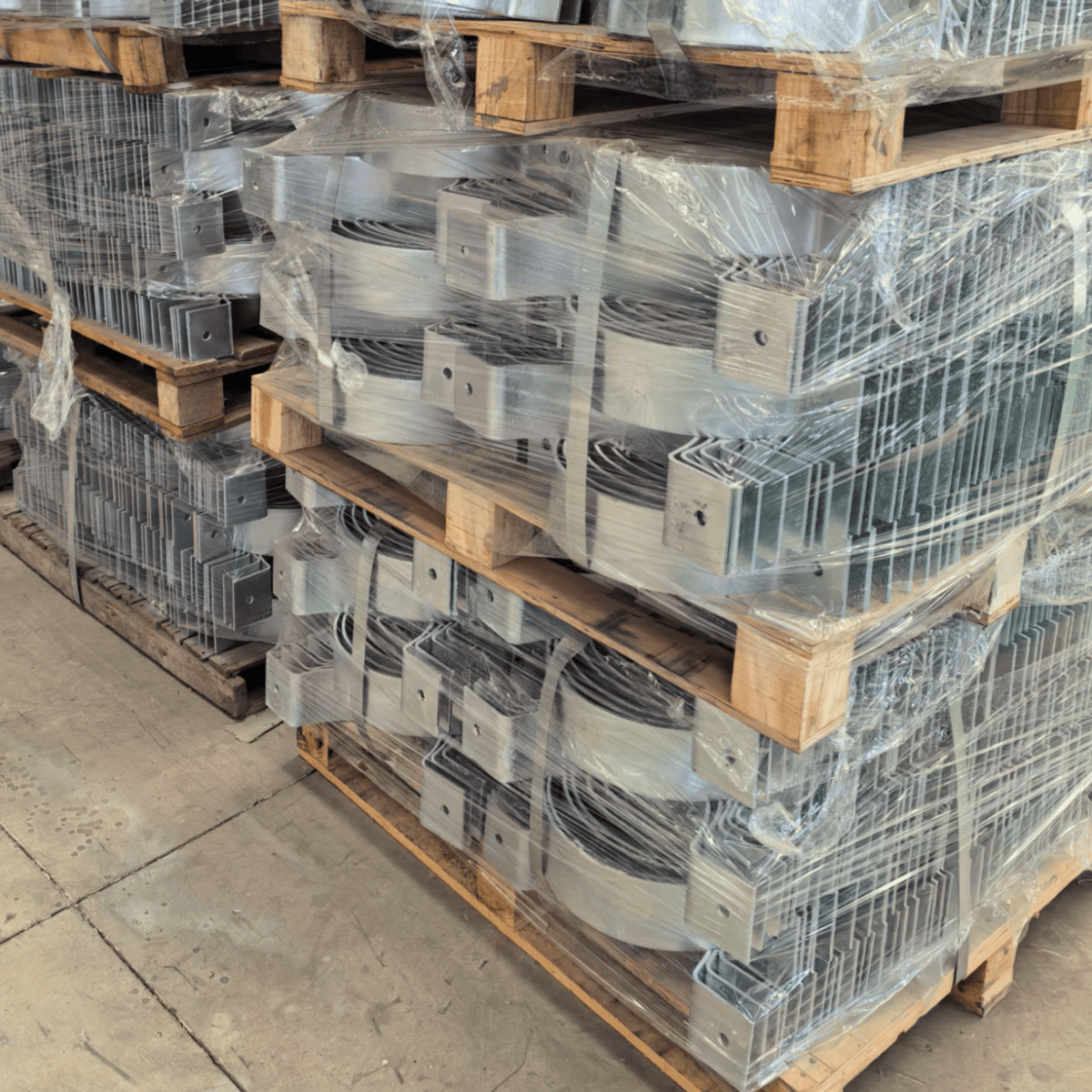
APA said the solar farm, constructed by Monford Group, includes 32,000 steel piles that have been driven 2.2 meters into the ground, steel cross-sections up to 4 mm thick, and 119,056 solar panels set at a 10-degree tilt to reduce wind forces. It said the structure is secured with 3.2 million bolts, with “the design and equipment rigorously calculated and tested to ensure it is cyclone resistant.”
The battery is capable of responding to the unique intermittency of renewable energy in the Pilbara, and in particular cloud events, which can see solar output drop from 100% to under 20% in less than two minutes.
“This project demonstrates how solar, battery and gas-powered generation can be sewn together to successfully transition remote mining operations,” said APA Chief Executive Officer and Managing Director Adam Watson.
BHP WA Iron Ore Asset President Tim Day said the solar farm is expected to provide most of the daytime energy needs of the miner’s huge port facilities in Port Hedland. Remaining power requirements are to be met through the BESS and APA’s existing gas-fuelled plant.
“This power purchase agreement is a step forward on BHP’s global pathway to decarbonization, and it will also play an important role in the renewable energy future of the Pilbara,” he said. “From electrifying mining equipment and switching to renewable power sources like this, to partnering with the shipping industry and steelmakers to help them reduce their emissions, it’s all about doing our part for the global decarbonization effort.”
Decarbonizing the energy intensive and remote operations of Australia’s resources sector will be a major undertaking, with Watson estimating that to achieve that feat in the Pilbara alone will cost about AUD 15 billion ($9.72 billion).
While acknowledging the scope of the task ahead, Watson said the Port Hedland project demonstrates the ability to displace thermal generation with utility-scale solar generation, while maintaining cost competitiveness and security of supply in remote locales.
“It’s a clear demonstration of our capability to support customers with reliable, affordable and lower emissions energy infrastructure,” he said.
The Port Hedland solar and battery project is the first project rolled out by APA in Western Australia since its AUD 1.7 billion purchase of Alinta Energy’s assets in the Pilbara.
Among APA’s potential next projects are an expansion of the Port Hedland solar and battery project, and a 30 MW extension to the Chichester solar farm. The company is also examining building electricity transmission infrastructure to connect Port Hedland to mines around Newman as part of a strategy to electrify the region.