Sumitomo Chemical Develops New Alumina Technology, Boosting Ceramic Membrane Permeation Flux by More Than Threefold
en.Wedoany.com Reported - Sumitomo Chemical has developed a new high-performance alumina technology aimed at significantly increasing the permeation flux of ceramic separation membranes while maintaining their separation performance without degradation. Targeting the common challenge of balancing flow rate and separation efficiency in membrane applications, this technology is expected to offer a new solution for wastewater treatment and other demanding scenarios.
According to Sumitomo Chemical, the newly developed alumina increases the density of "through-pores" within the membrane structure, providing more pathways for fluid passage. Ceramic separation membranes, owing to their high mechanical strength, chemical resistance, and thermal stability, are widely used in processes involving suspensions, emulsions, and other media prone to fouling within membrane pores. However, as fouling intensifies, membrane permeation flux declines, reducing throughput and potentially increasing cleaning requirements and operational instability.
Using a yeast suspension, the researchers conducted comparative tests on the internal three-dimensional structure and filtration performance of multilayer α-alumina tubular membranes. The results showed that, although the average pore sizes of the two membranes were nearly identical, the membrane fabricated with Sumitomo Chemical's new alumina exhibited a significantly higher through-pore density. This higher density distributes the permeate flow across more flow pathways, correspondingly reducing local loading, diminishing the intrusion of foulants into membrane pores, and lowering the likelihood of internal pore blockage. In the tests, the membrane with high through-pore density achieved a steady-state permeation flux more than three times that of the comparison membrane, while maintaining similar separation performance.
These findings may have implications for industries where filtration performance rapidly deteriorates due to membrane fouling, with potential applications spanning food processing, biotechnology, fermentation, chemicals, and wastewater treatment. The study also indicates that the distribution of fluid flow through the membrane's internal structure may influence filtration performance as significantly as average pore size, suggesting that through-pore density and internal flow-path architecture should be considered key membrane design parameters.
For membrane manufacturers, this alumina technology can be leveraged to develop differentiated, higher-value-added ceramic membrane products with improved filtration characteristics; for filtration system manufacturers, the increased permeation flux can translate into higher throughput, reduced cleaning frequency, and more stable operation. Sumitomo Chemical stated that it will continue advancing the development of alumina-based structural control technologies, strengthening collaboration with membrane and filtration system manufacturers, and expanding material solutions in fields such as food processing, fermentation, biotechnology, chemicals, and wastewater treatment.
The related research findings were published in the Journal of Membrane Science Letters under the title "Role of through-pore density in governing filtration performance and fouling of α-alumina microfiltration membranes." The paper's authors are Hana Hosokawa, Tooru Kitagawa, Shuji Nakatsuka, Setsuaki Murakami, and Hideto Matsuyama.
Related Products
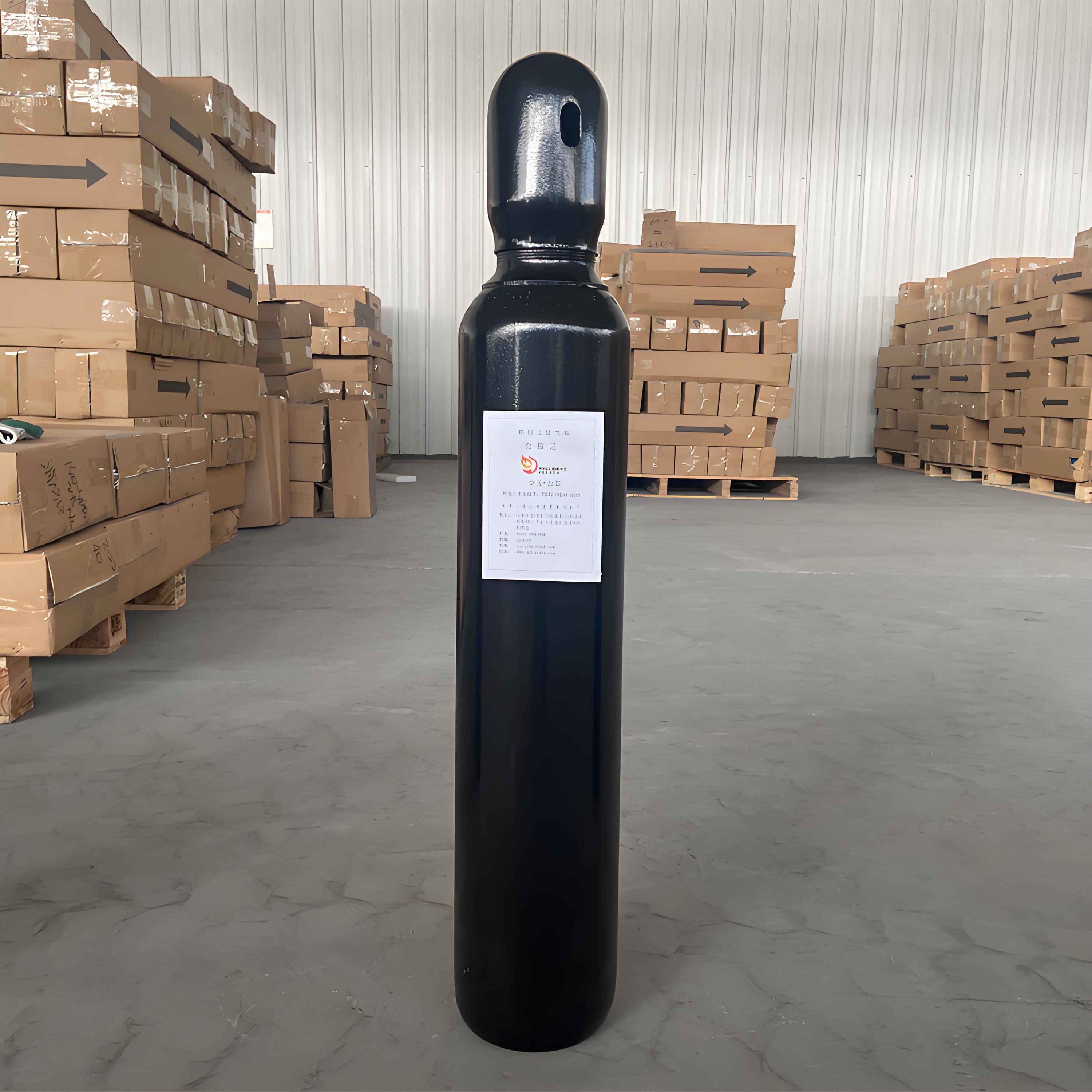

Nitrogen Export, Nitrogen Manufacturer, High-purity Nitrogen Supplier
Foshan Yuexin Industrial Gas Co., Ltd.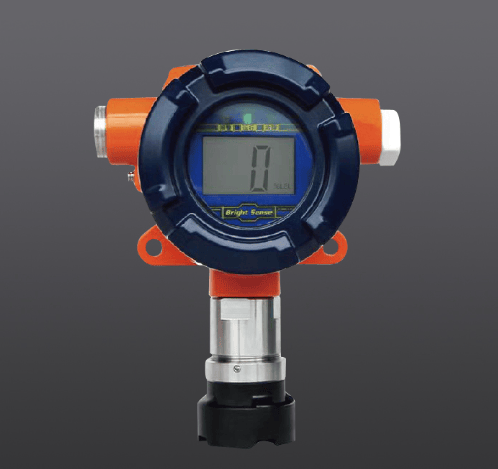
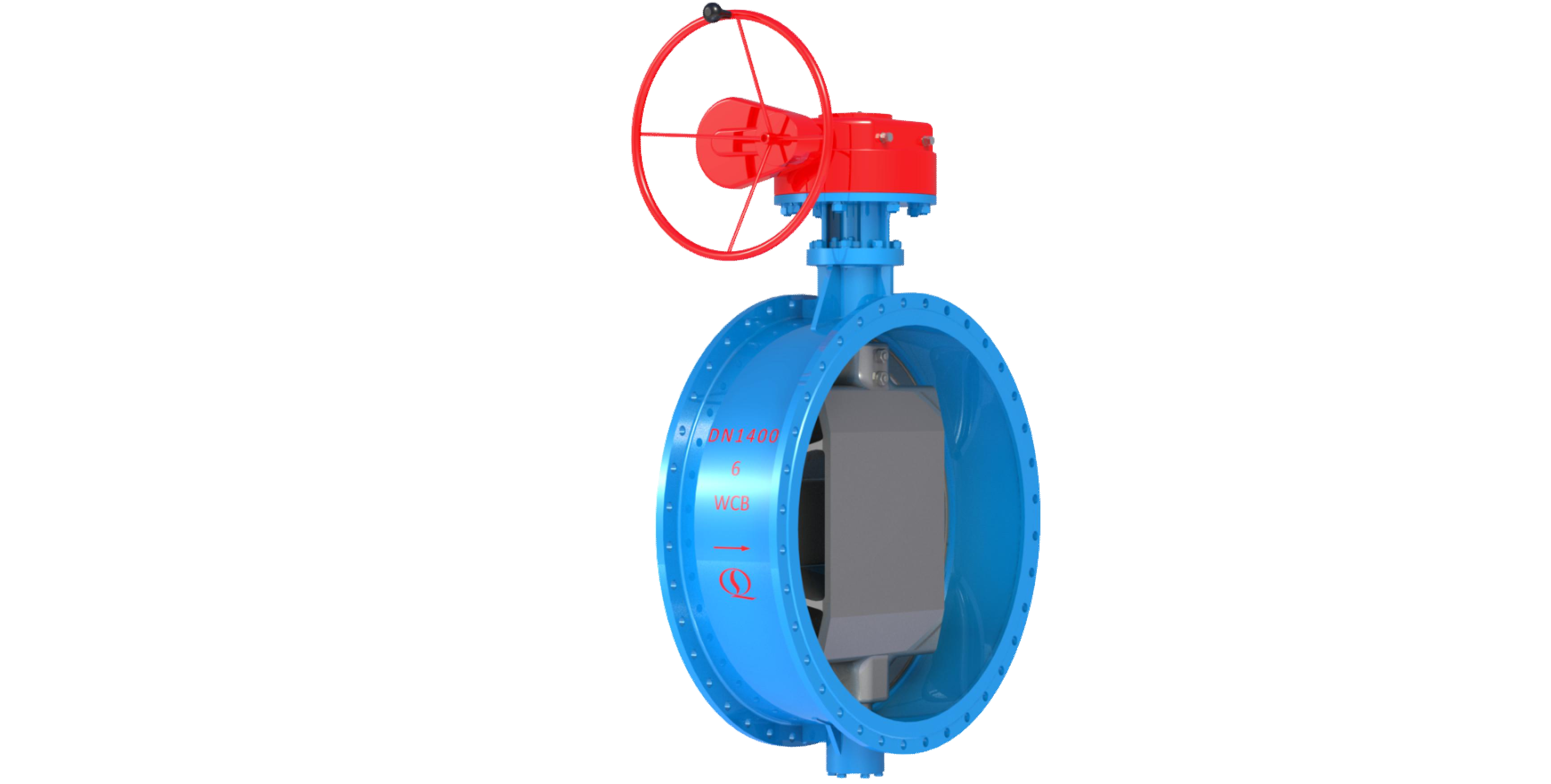
Bidirectional Metal Hard Sealed Seawater Butterfly Valve
Henan Quanshun Flow Control Science & Technology Co., Ltd.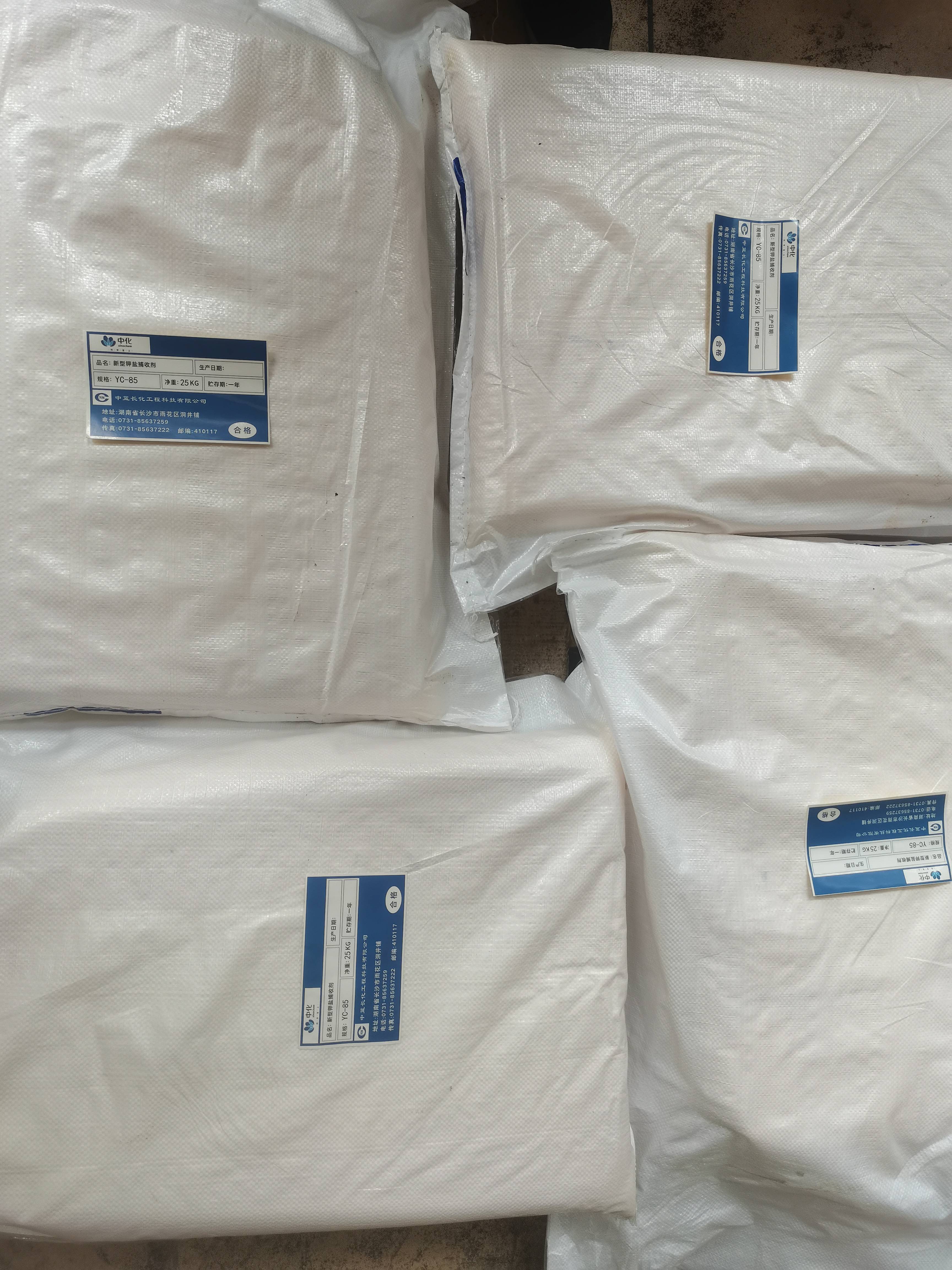
New Environmentally Friendly Green Potassium Salt Collector
Chonfar Engineering and Technology Co., Ltd.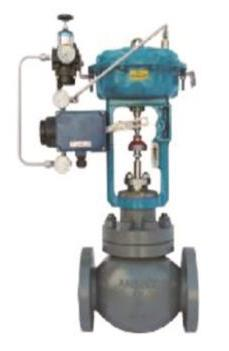
Quick-Change Single-Seat Control Valve / Quick-Change High-Pressure Single-Seat Control Valve
Beijing Consen Automation Technology Co., Ltd.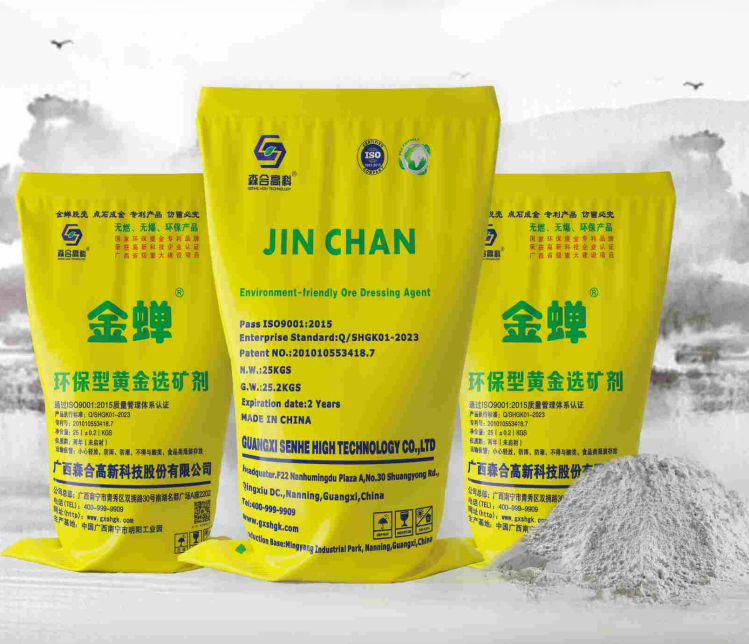
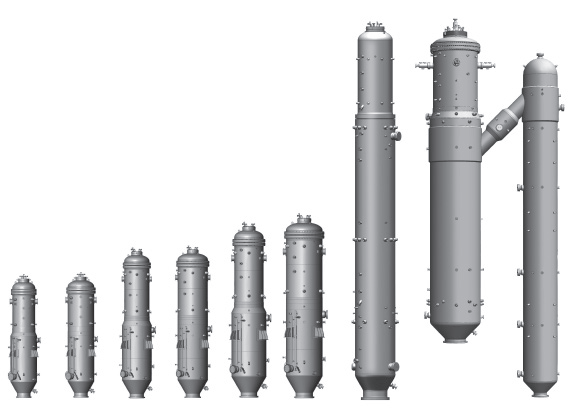
Gasification Furnace Series: Freely Combinable Aerospace Furnace
CHANGZHENG ENGLINEERING CO., LTD.
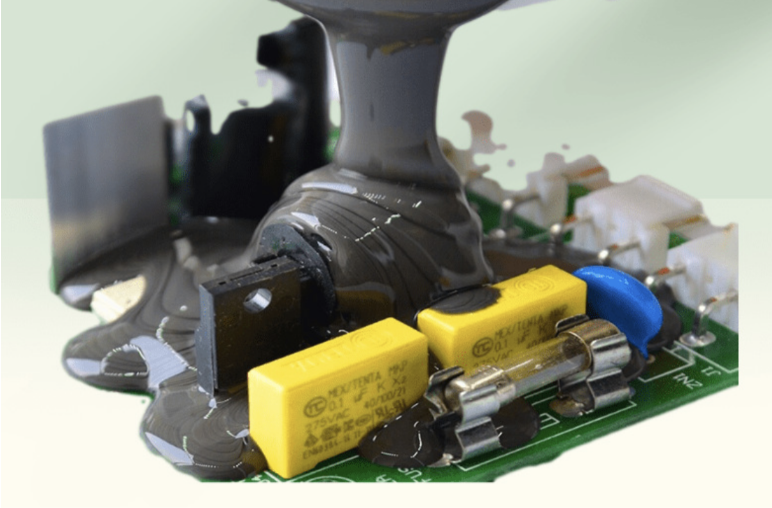
High Thermal Conductivity Encapsulating Resin
Nantong BESALL Sealing Technology Company.,Limited