Huawei Launches Xinghe AI Fabric 2.0 in Barcelona, Spain, Enhancing AI Data Center Network Reliability
Wedoany.com Report on Mar 13th, As AI workloads continue to reshape enterprise infrastructure, data center networks are facing urgent demands for improved performance, resilience, and automation. At the Mobile World Congress held in Barcelona, Huawei expanded its Xinghe AI Fabric product portfolio, positioning the newly launched Xinghe AI Fabric 2.0 as a key technology for supporting AI-driven data centers.
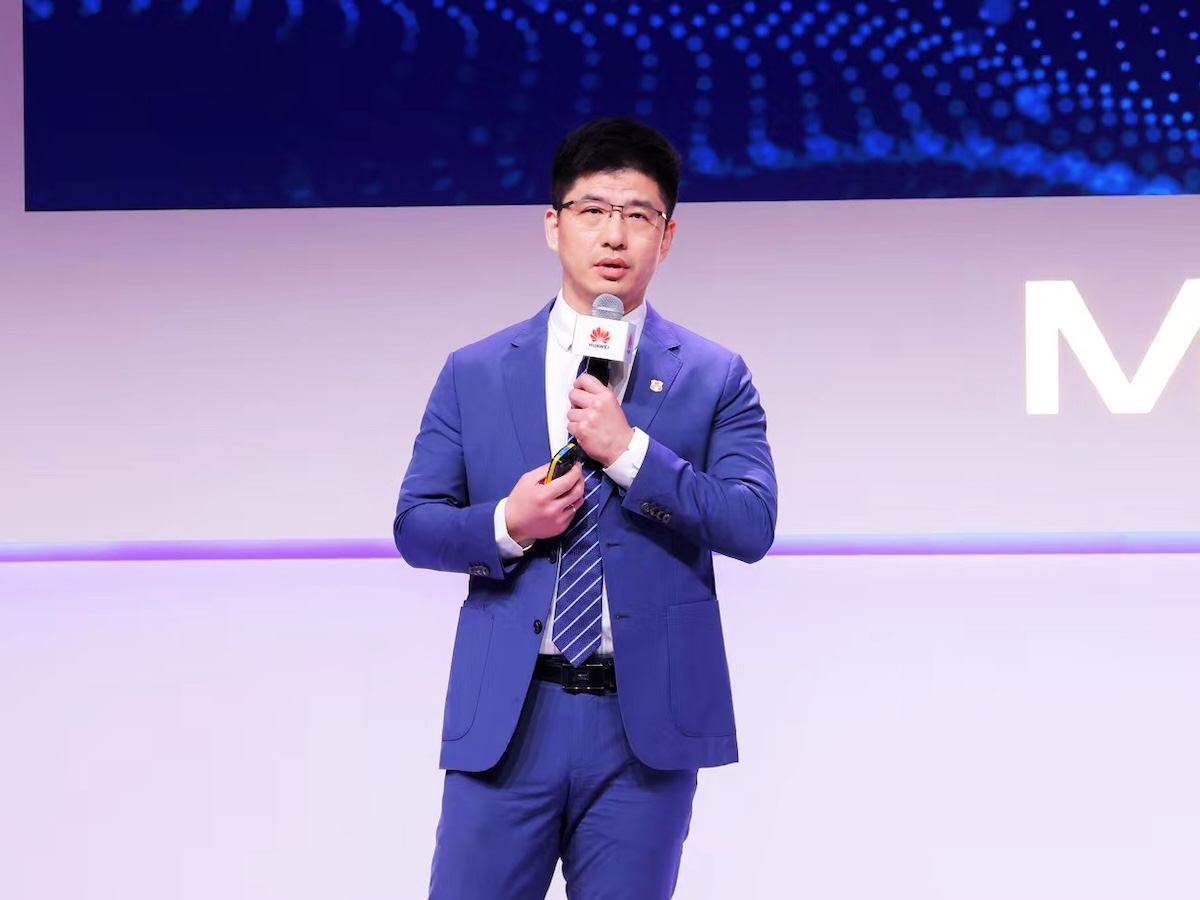
Arthur Wang, President of the Data Center Network Domain at Huawei's Data Communication Product Line, stated, "Data center networks have evolved from the cloud and virtualization stage to a new era driven by AI. The current goal for enterprises is to fully unleash and efficiently utilize computing power." Xinghe AI Fabric 2.0 integrates four major components: Rock-Solid Architecture 2.0, StarryWing Digital Map 2.0, Xinghuan AI Turbo 2.0, and iFlashboot 2.0, aiming to build a highly reliable AI data center network.
Addressing the hard-to-detect hidden faults in large-scale data centers, Huawei introduced the AI Eagle-Eye Engine. It can monitor up to 200,000 service flows in real-time, leveraging AI analysis to pinpoint the root cause of issues within minutes, significantly reducing fault diagnosis time. Furthermore, to address the growing trend of enterprises adopting multi-vendor network strategies, Huawei provides unified management through StarryWing Digital Map 2.0 and the iMaster NCE platform, supporting heterogeneous environments and integrating third-party security devices.
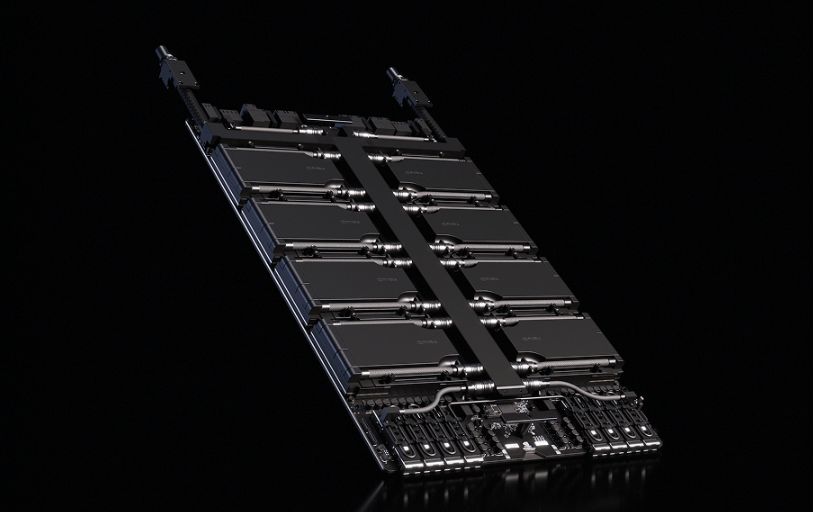
Regarding GPU performance optimization, Huawei's Xinghuan AI Turbo 2.0 incorporates network flow and network packet load balancing technologies, increasing AI cluster bandwidth utilization from around 50% with traditional methods to 90–98%, effectively reducing the idling of expensive GPU resources. Simultaneously, Huawei launched the XH9230-LC liquid-cooled switch, which employs a flexible cooling design, allowing the deployment of eight switches in a single rack and reducing air conditioning requirements by up to 60%.
Looking ahead, Huawei is developing an AI-driven operations platform named NetMaster, which will work in conjunction with StarryWing Digital Map to achieve automatic fault detection and traffic rerouting. Wang noted that currently, about 80% of network issues can be handled automatically, and fully autonomous network operations are expected to become a reality within two to three years, though ensuring extremely high system reliability is paramount.
Related Products




20 Inch 1600*900 Full HD 60Hz TFT LED Monitor with VGA and DP Interfaces for Desktop Computers-Business Use
Guangzhou Zanying Optoelectronics Technology Co., Ltd.

MUX Series Communication Interface Device for Security and Stability Control System
Nanjing NR Electric Co., Ltd.

G.652.D Wavelength-extended Non-dispersion Shifted Single-mode Optical Fiber
HONGAN GROUP CO., LTD.