Wedoany.com Report on Mar 16th, Governor Malam Umar Namadi of Jigawa State, Nigeria, recently launched the third phase of the Civil Servants' Agricultural Support Scheme and released the completion report for the COVID-19 Action Recovery and Economic Stimulus Program (J-CARES 1.0), aiming to enhance residents' livelihoods and expand economic opportunities.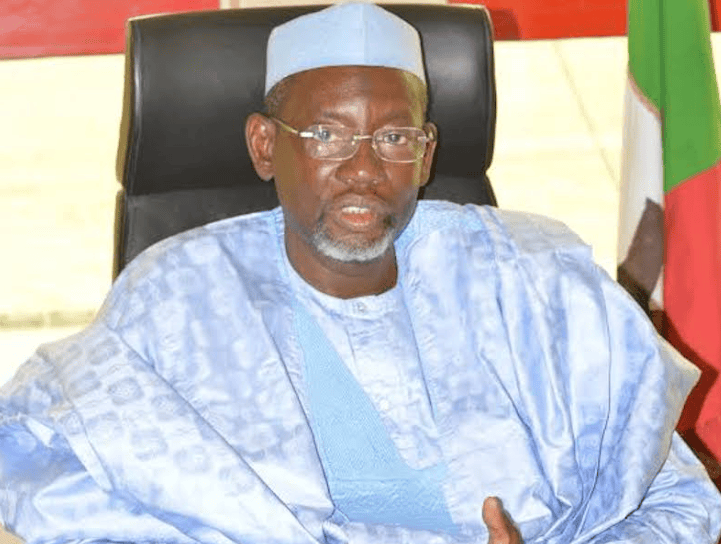
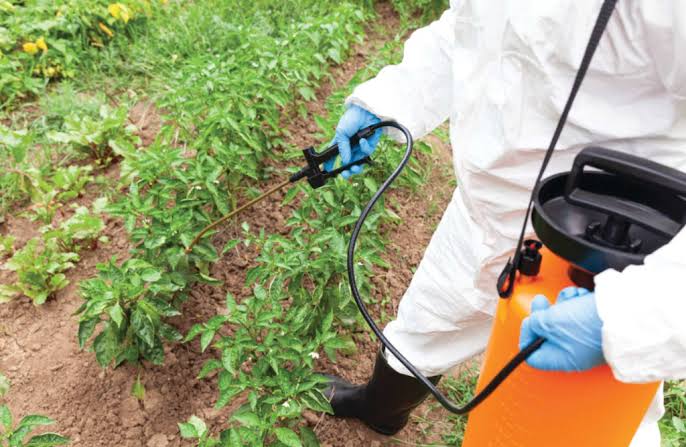
These two initiatives involve billions of Naira in investment, focusing on agricultural support, economic recovery, and community resilience building, and have already benefited thousands of recipients. Governor Namadi stated that the Agricultural Support Scheme encourages civil servants to engage in agricultural production to increase household income by providing quality agricultural inputs and flexible soft loans.
Since its launch in July 2024, the scheme has been implemented in phases. In the first phase, 8,432 civil servants received support exceeding 30.3 billion Naira, while in the second phase, 5,750 workers received nearly 12.6 billion Naira in assistance. The third phase is expected to add approximately 3,000 new beneficiaries, with support amounting to over 16 billion Naira. The cumulative investment has exceeded 59 billion Naira, benefiting more than 17,000 civil servants.
Namadi said, "These figures reflect our substantial investment in agriculture, directly impacting thousands of families, expanding cultivated land, and strengthening the state's agricultural economy." He also introduced reform measures such as the introduction of digital records, GPS farm verification, and electronic tracking to enhance transparency and efficiency.
Simultaneously, the Governor presided over the release of the J-CARES 1.0 completion report. This program, implemented by the Jigawa State Government with World Bank support, aims to mitigate the economic impacts of the COVID-19 pandemic. It covers 287 electoral wards across the state's 27 Local Government Areas, benefiting over 47,800 recipients in more than 1,200 communities, with an investment exceeding 4.6 billion Naira, providing resources such as seeds, processing machinery, and livestock.
Namadi emphasized that the program focuses on social safety nets, food security, and support for Micro, Small, and Medium Enterprises (MSMEs), helping beneficiaries improve their livelihoods through tools and training. He thanked the Federal Government and the World Bank for their collaboration, stating that the report showcases the achievements in improving citizens' lives through cooperation and innovation.