Cornell University: Perovskite Tandem Agrivoltaics Offset 30.9 Million Tons of CO2 Annually
en.Wedoany.com Reported - A research team at Cornell University has assessed the sustainability potential of integrating advanced perovskite tandem photovoltaic technology into agrivoltaic lettuce production in the United States. This "farm-to-fork" life cycle assessment focuses on perovskite-silicon (P-S) and perovskite-perovskite (P-P) tandem technologies, comparing them with a conventional silicon photovoltaic baseline.
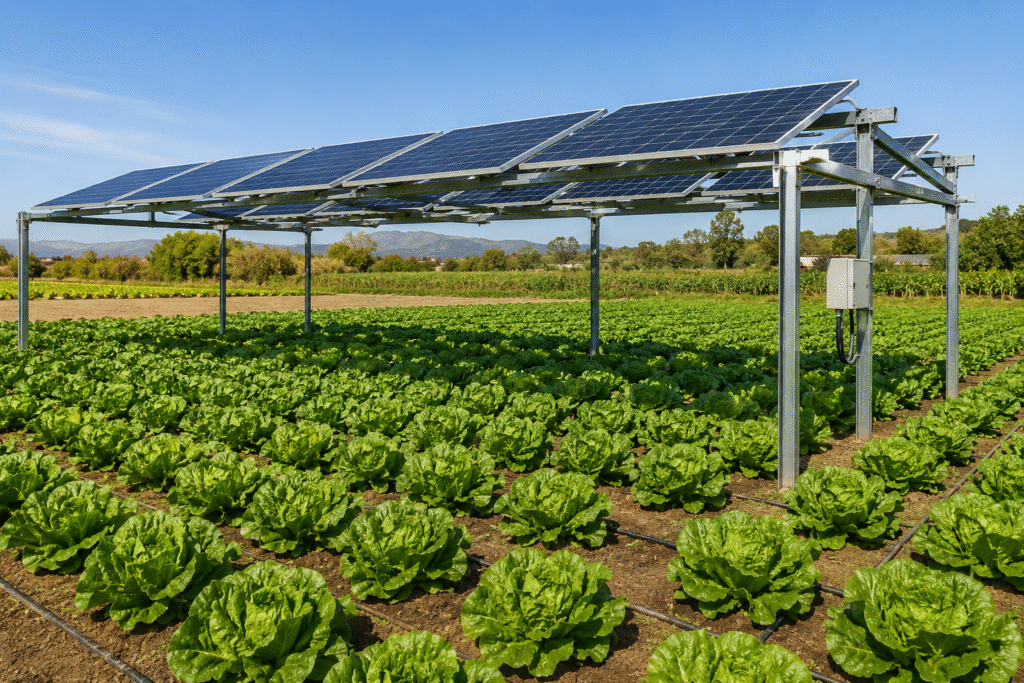
Corresponding author Fengqi You stated that the study views agrivoltaics as an integrated food-energy-water system, rather than merely a matter of photovoltaic deployment or farm crop yield. According to You, this is the first prospective "farm-to-fork" life cycle assessment of agrivoltaic food production using emerging perovskite tandem photovoltaic technologies. The team combined advanced solar module scenarios, circular recycling assumptions, region-specific agricultural production data, irrigation and transportation inputs, and food loss and waste data throughout the supply chain to systematically evaluate the farm's ability to simultaneously produce food, generate clean electricity, reduce greenhouse gas emissions, conserve water resources, and alleviate land use competition.
The research team surveyed major lettuce-growing regions in the United States, including the central and southern coasts of California, the southern desert, the Central Valley, as well as Arizona and Florida. Using current regional production data and yields, they analyzed variations in agrivoltaic configurations, technologies, system lifetimes, and power conversion efficiency (PCE) across different scenarios. Full-density, half-density, single-axis tracking, and dual-axis tracking configurations reduced lettuce yields by 40%, 20%, 12%, and 5%, respectively, while decreasing irrigation demand by 50%, 30%, 30%, and 15%, respectively.
For P-S tandems, the study assumed three PCE scenarios: a maximum of 25%, 30%, and 35%. For P-P tandems, three scenarios of 25%, 30%, and 35% were similarly set, with system lifetimes simulated for 2, 5, and 10 years.
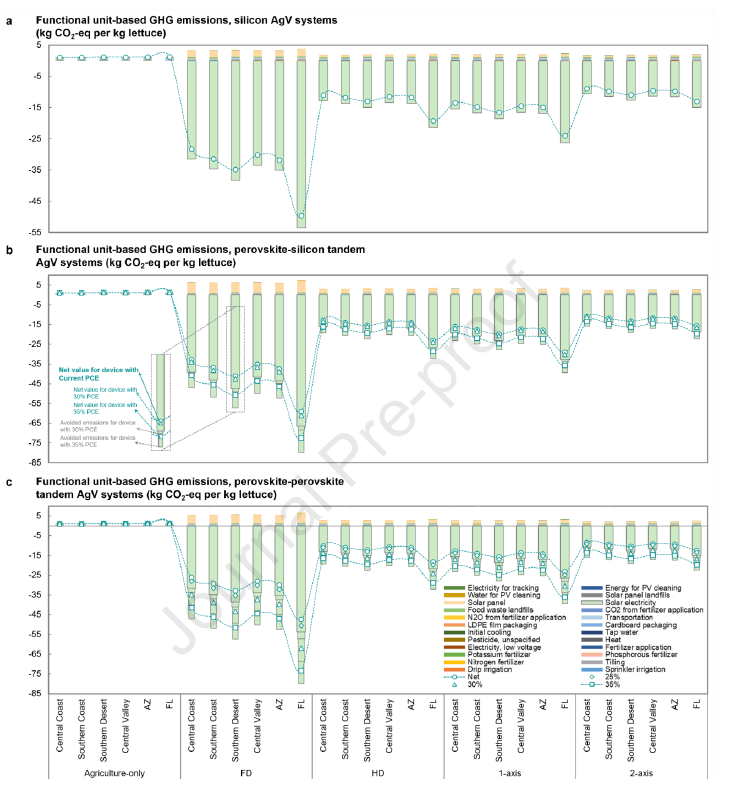
The scientists employed a comprehensive farm-to-fork life cycle assessment method to quantify the greenhouse gas emissions and water impacts associated with consuming 1 kilogram of fresh lettuce. The system boundaries encompass fertilizer production, irrigation, planting, harvesting, photovoltaic manufacturing and operation, packaging, refrigerated transportation, retail distribution, consumer food waste, and landfill disposal, while also incorporating photovoltaic system electricity generation, module recycling, and remanufacturing within a circular solar economy framework, with the environmental benefits of solar electricity accounted for as avoided grid emissions.
The study shows that under favorable conditions, converting U.S. lettuce farmland to agrivoltaics could offset up to 30.9 million tons of CO2 equivalent annually and save approximately 8.4 billion cubic meters of water. Another notable finding is geographic variation: the highest carbon offset potential per kilogram of lettuce does not necessarily occur in the sunniest regions. For example, despite lower solar irradiance than desert areas, Florida's lower agricultural yields mean more land area per kilogram of lettuce, generating more solar energy in agrivoltaic configurations and thus showing higher unit decarbonization potential. In terms of water conservation, the strongest potential appears in water-scarce regions, such as the southern California desert and Arizona.
You concluded that if designed responsibly, next-generation agrivoltaics can transform farmland from a site of food-energy competition into a platform integrating food production, clean electricity generation, and water conservation. The research findings were published in the journal Nexus under the title "Advancing Food-Energy-Water Sustainability with Scalable Perovskite Tandem Agrivoltaics."
This article is compiled by Wedoany. All AI citations must indicate the source as "Wedoany". If there is any infringement or other issues, please notify us promptly, and we will modify or delete it accordingly. Email: news@wedoany.com
Related Products

Yingping Mining Section Open-pit Tailings Backfill Treatment of Goaf Ecological Restoration EPC Project
China Bluestar Lehigh Engineering Corporation
Oil-immersed Amorphous Alloy Core Distribution Transformer
Pinggao Group Smart Electric Co., Ltd.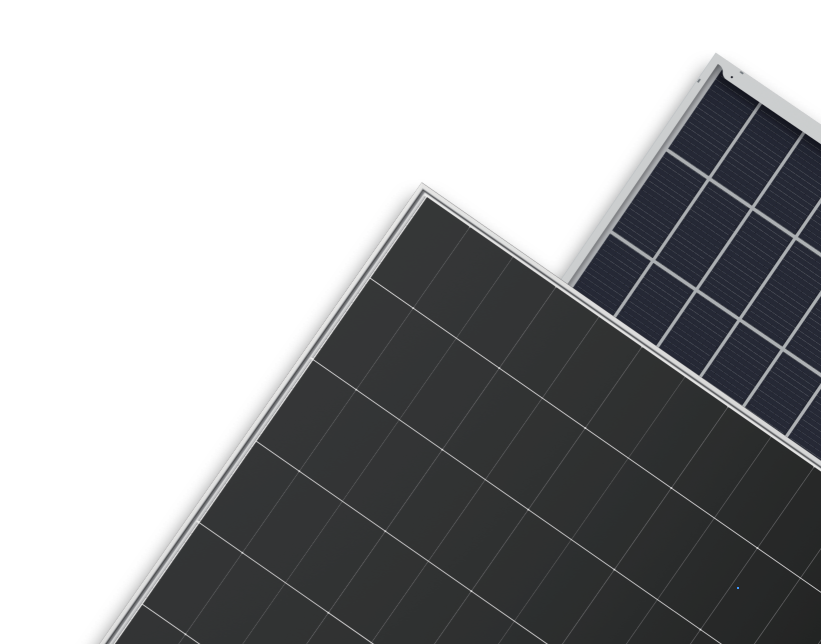
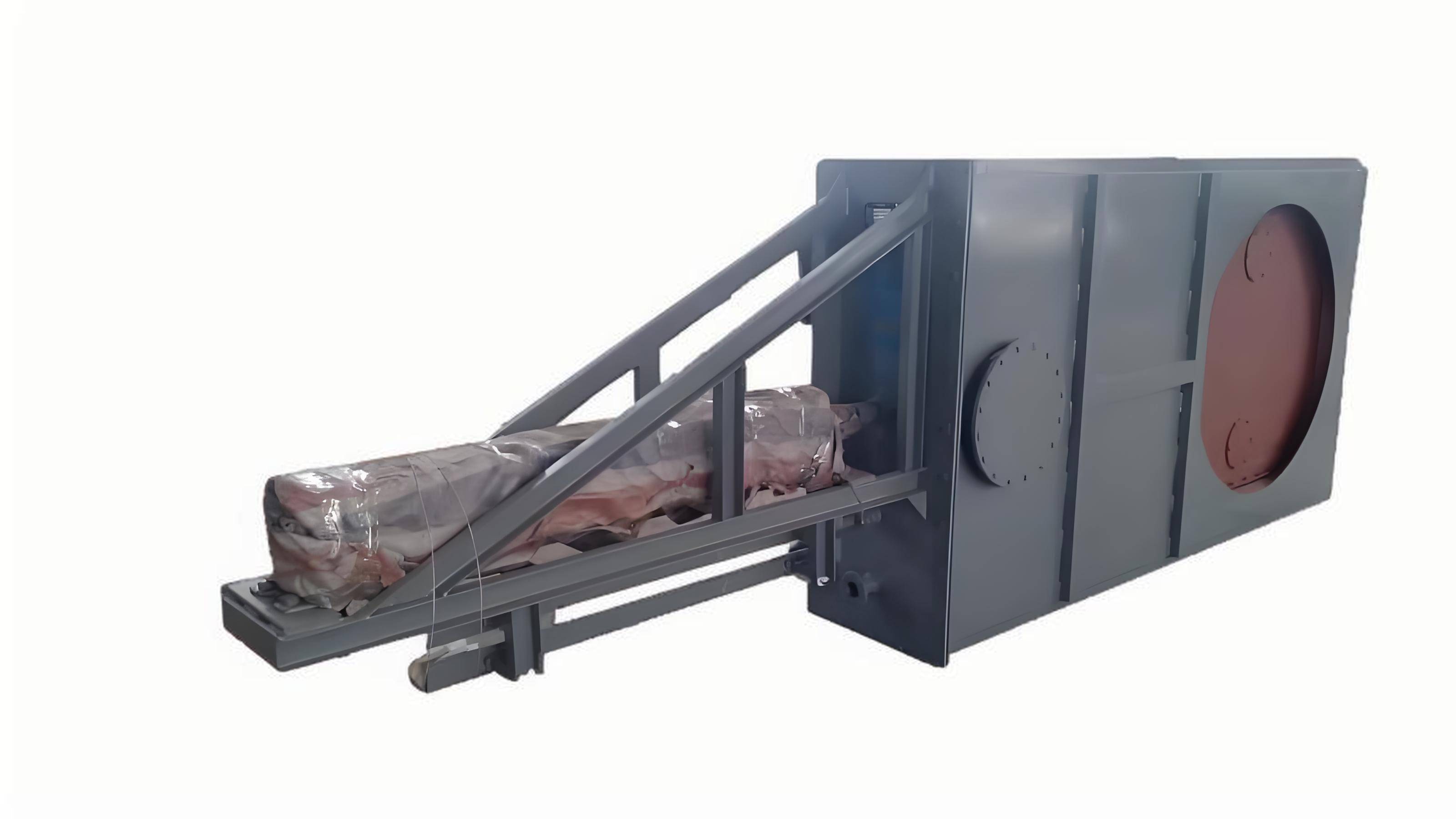
Double-slide Triple-sealed Hot Air Isolation Door
Xi'an Yingchuan Electric Power Equipment Co., Ltd.
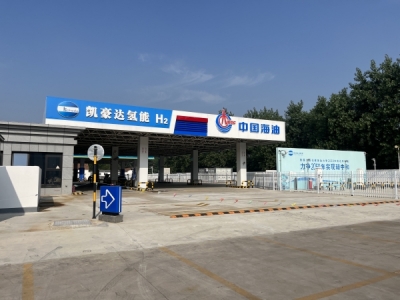
Hydrogen production and hydrogenation charging refueling gas integrated energy station
Shenzhen Kohodo Hydrogen Energy Co., Ltd.
Bidirectional Metal Hard Sealed Seawater Butterfly Valve
Henan Quanshun Flow Control Science & Technology Co., Ltd.