Middle East Shipping Disrupted, Dubai Fruit and Vegetable Supply Chain Opens New Logistics Channels
Wedoany.com Report on Mar 16th, As tensions in the Middle East escalate, impacting regional shipping, Dubai, a key trade hub in the Gulf region, has seen its highly import-dependent fruit and vegetable market come under supply chain pressure in a short period. Industry insiders indicate that against the backdrop of disrupted routes and delayed vessel schedules, local fruit and vegetable trading companies are accelerating their search for alternative logistics channels to ensure stable supply. 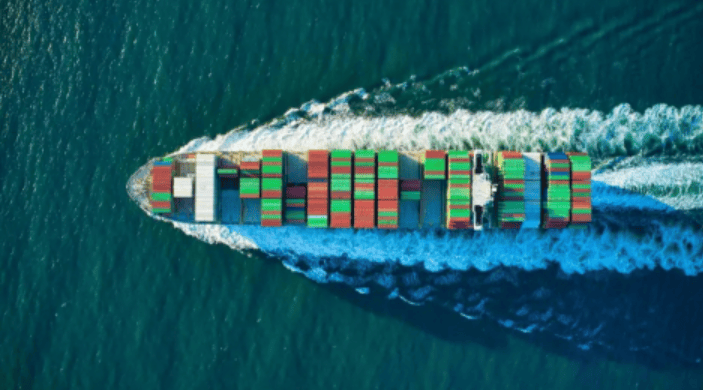
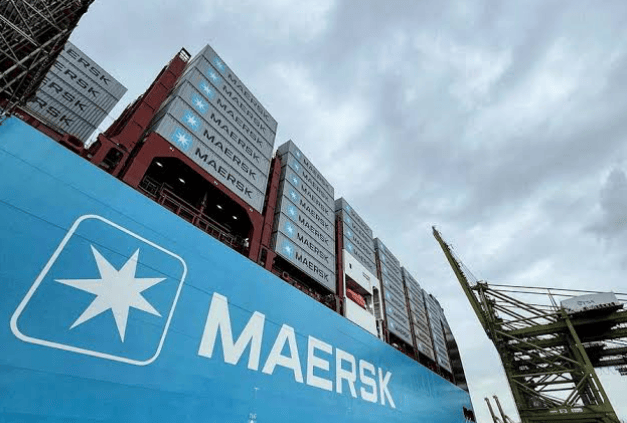
Dubai's fruit and vegetable supply heavily relies on sea imports, with the Al Aweer Central Wholesale Market being one of the most important trading centers locally. As the situation escalated, several international shipping lines have implemented temporary adjustments to their Middle East routes. Some routes have suspended accepting new bookings, while some vessels already en route have been required to divert or seek alternative ports for docking.
Since many cargo ships had already departed as scheduled before the situation changed, a large number of refrigerated containers carrying fruits and vegetables are still at sea. Route disruptions have caused some vessels to be stranded for several days, unable to dock at ports as originally planned. For highly time-sensitive fresh produce, how to complete transportation as quickly as possible has become an urgent issue for all parties in the supply chain.
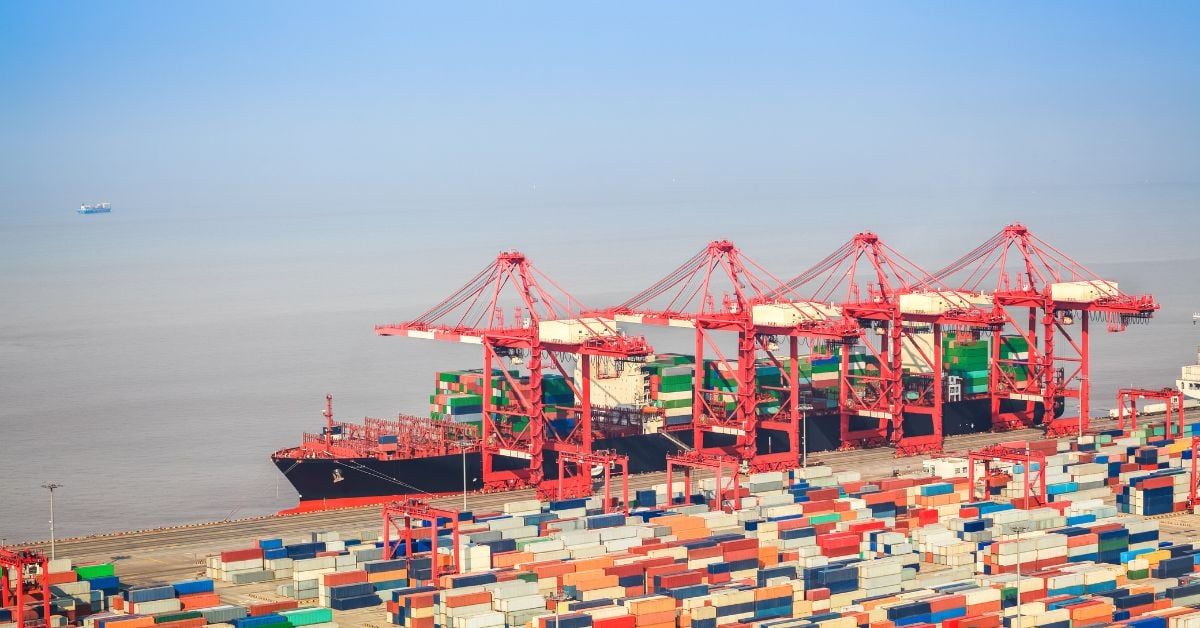
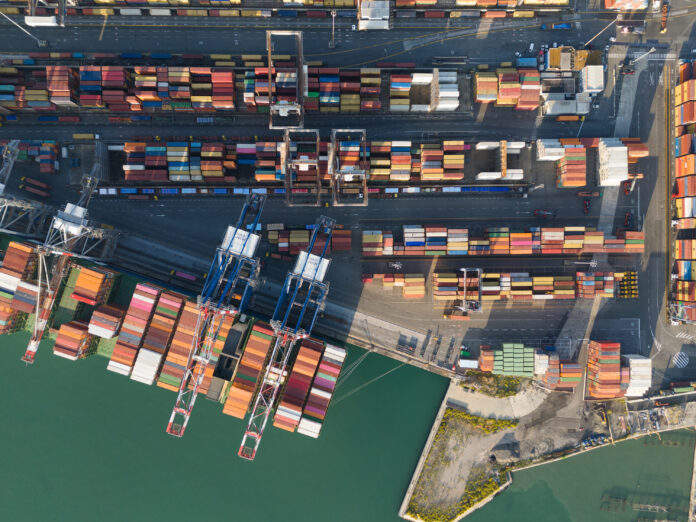
As of March 11th, some vessels carrying Chinese fruits and vegetables have begun entering the Middle East market through diversion to surrounding ports. For example, some cargo is being unloaded at Khor Fakkan Port and then transported by land to Dubai; other vessels have chosen to transship at ports such as Sohar Port or Salalah Port in Oman, or Jeddah Port in Saudi Arabia. Additionally, some containers are temporarily staying at ports in South Asia and Southeast Asia awaiting further arrangements.
Meggie Peng, Chief Representative for the Middle East region at Yitianyi's Dubai branch, stated that supply chain companies are currently closely tracking the latest arrangements from various ports and shipping lines to adjust logistics plans promptly.
"Under the current circumstances, the final port where goods will be unloaded often cannot be determined until the very last stage, which places high demands on ground logistics coordination. Especially since some ports have limited reefer plug points, restricting their handling capacity, we need to continuously follow up on the status of each port and container, striving to formulate the most suitable transportation plan at the earliest opportunity," she said.
In addition to adjusting logistics routes, companies are also facing significantly increased transportation costs. Shipping delays, port congestion, and cross-border land transshipment all increase the risk of spoilage for fresh produce during transit. Simultaneously, war risk surcharges, port diversion fees, as well as land transportation and customs clearance costs have risen notably. Industry estimates suggest that the overall logistics cost per container has increased by approximately 20,000 Dirhams compared to normal times.
Although some cargo in transit is gradually finding new transportation routes, industry insiders point out that relying solely on these goods is still insufficient to fully alleviate market inventory pressure. To restore stable supply, continuous shipments from the origin are still needed. However, shipping space remains tight currently. The number of shipping lines in China accepting Middle East bookings is limited, freight rates have risen significantly, and many routes only accept cargo destined for surrounding ports, with direct sailings to Dubai temporarily unavailable.
Amid ongoing uncertainty, some fruit and vegetable suppliers have also begun adjusting their shipping strategies. For instance, prioritizing shipments of storage-tolerant products like ginger, garlic, apples, and carrots to reduce transportation risks while ensuring basic supply for the local market.
Meggie stated: "Fruits and vegetables are essential commodities for people's livelihoods. As one of the main suppliers to supermarkets in the Dubai market, we not only have supply commitments to our customers but also aim to provide stable supply to the local market as much as possible during this special period. This is also our responsibility for long-term operation in the market. Currently, we are adjusting logistics routes for in-transit goods on one hand, while also actively preparing new shipping arrangements."
Regardless of how this conflict ends, logistics and transportation will slowly recover over a period of time. However, the long-term impact of this crisis on Dubai's fruit and vegetable supply chain is bound to be profound and will require time to assess and absorb. This event also serves as another reminder to the industry that for businesses heavily reliant on imports, establishing a more flexible and diversified supply chain system is of significant importance for ensuring supply chain stability.
Related Products


Explosion-proof lithium battery dispatching monorail crane locomotive (permanent magnet frequency conversion integrated machine)
Xiangtan Hengxin Industrial Co., Ltd.
ERW Welded Pipe (Black Pipe and Hot-dip Galvanized Steel Pipe)
Handan Zhengda Steel Pipe Co., Ltd.
"Shunyi 1600" Deep-submerging Bottom-sitting Multi-functional Wind Power Engineering Vessel
Zhengli Offshore Engineering Co., Ltd.

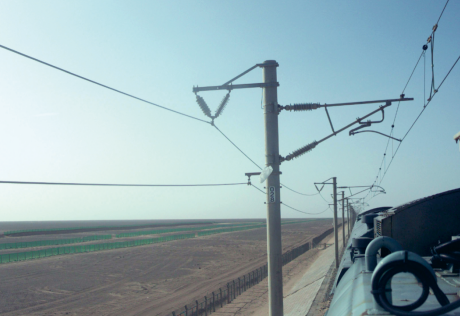
Pantograph-Catenary Comprehensive Detection Device (1C)
CHENGDU TANGYUAN ELECTRIC CO., LTD.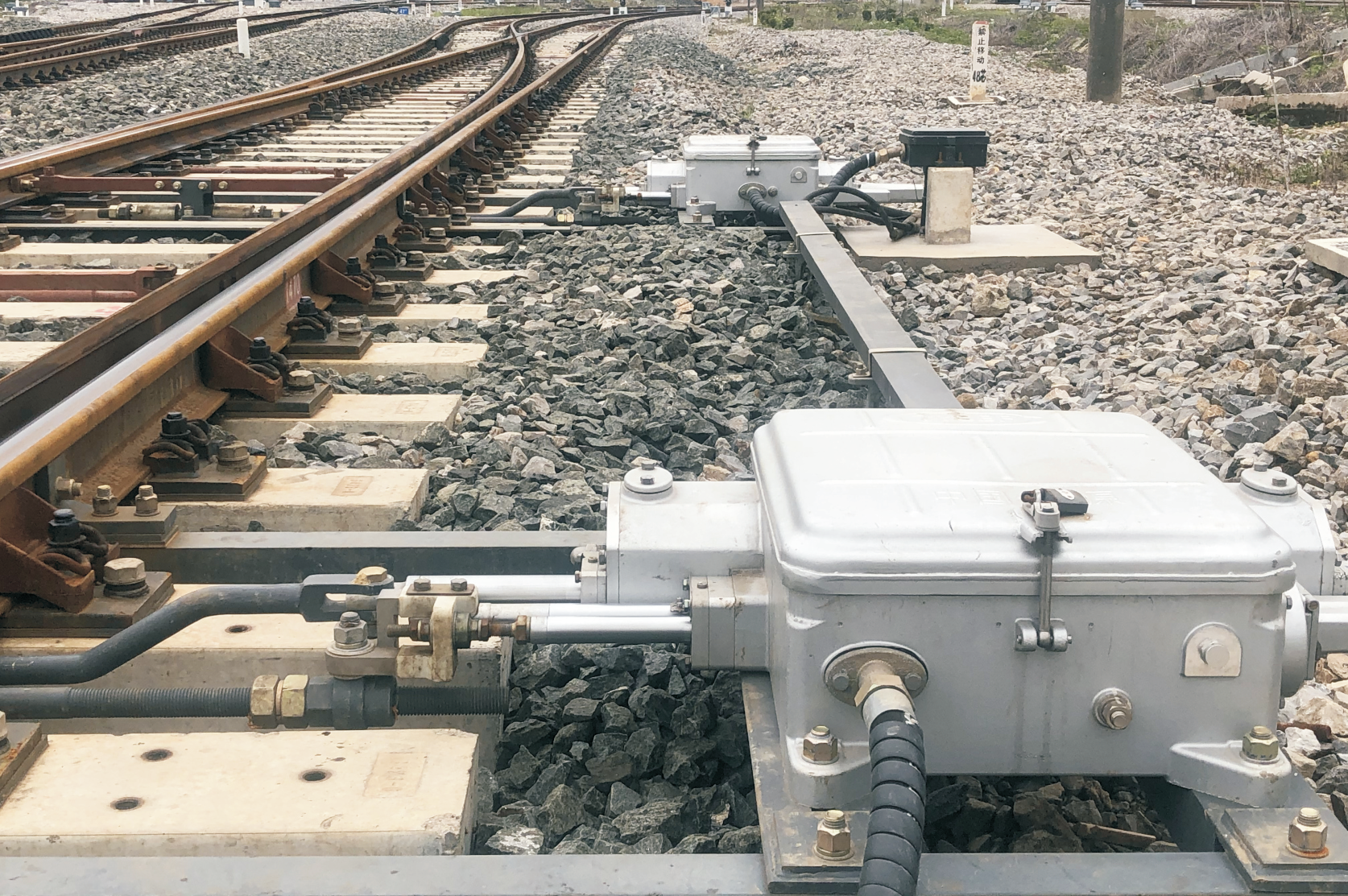
ZY(J)7(M) Sealed Type Electro-Hydraulic Turnout Machine
TAIYUAN CR JINGFENG EQUIPMENT TECHNOLOGY CO., LTD.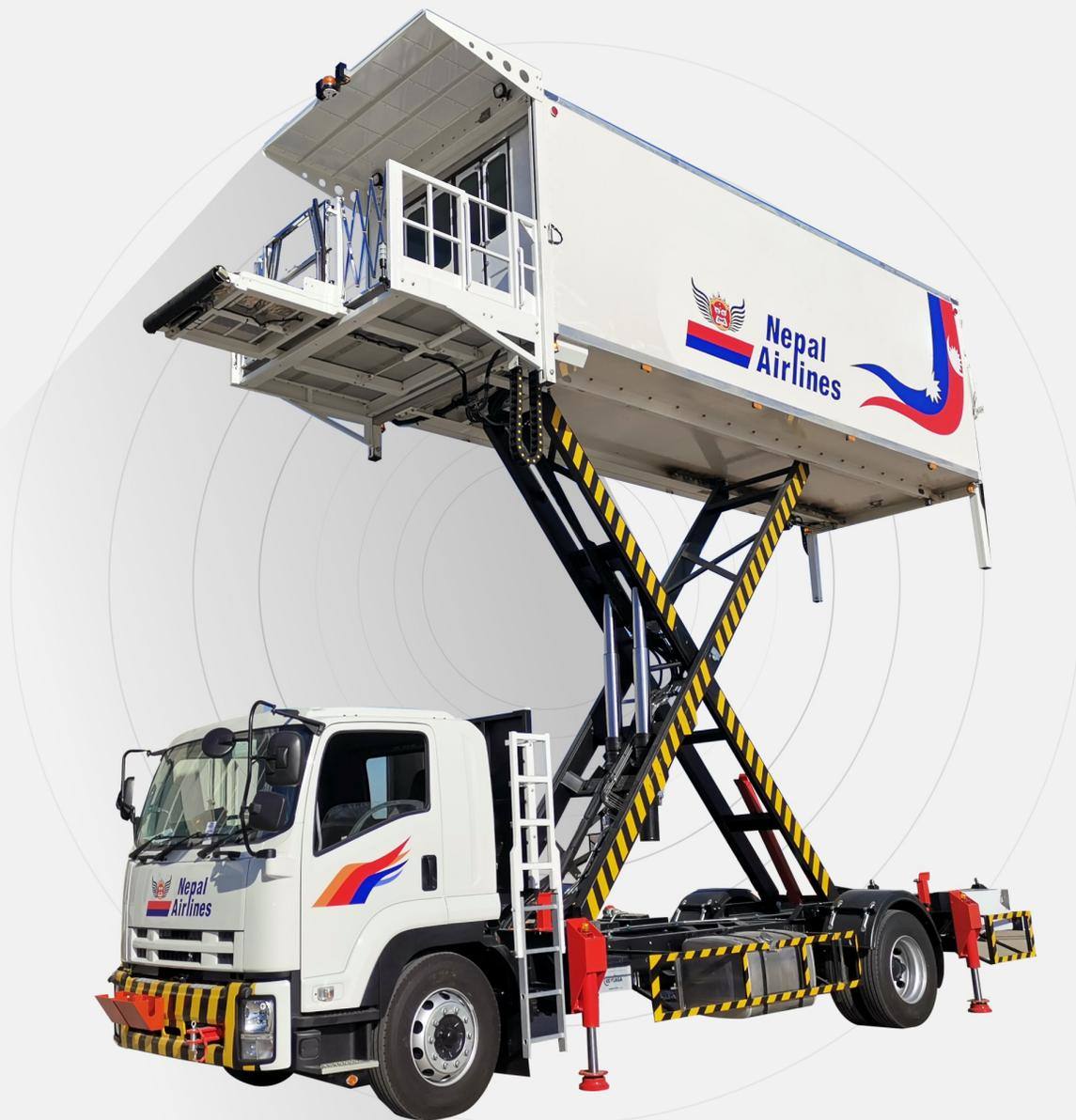
XC-6000e Type Aviation Catering Truck (Fuel Type)
Shenzhen CIMC-TianDa Airport Support Ltd.