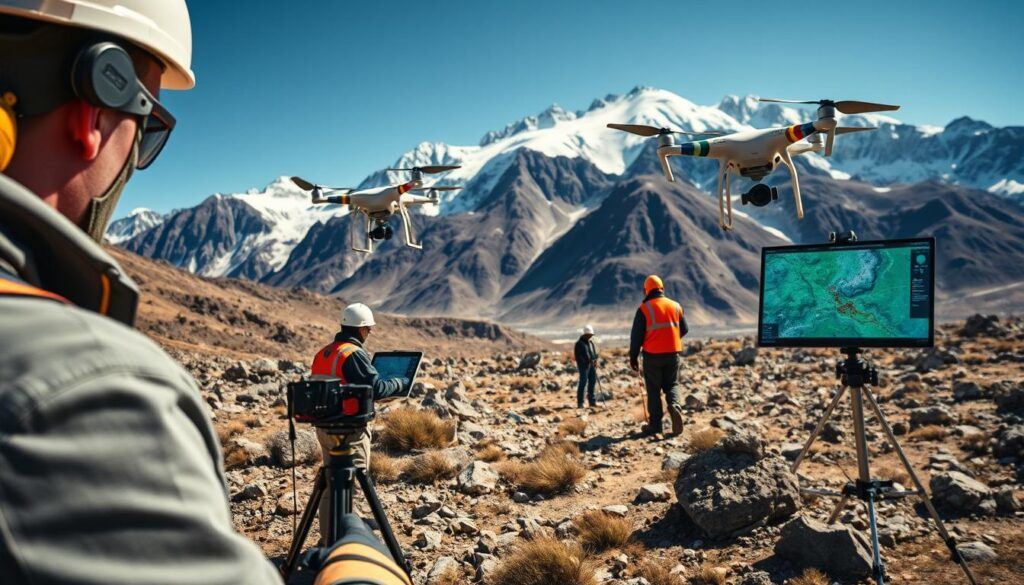
Wedoany.com Report on Mar 18th, Artificial intelligence is moving from data centers into the physical world. At the ongoing GTC 2026 conference, NVIDIA announced it will comprehensively advance the development of "Physical AI." By releasing a new generation of models, upgrading simulation frameworks, and expanding global collaborations, the company aims to accelerate the large-scale deployment of robots in fields such as factories, healthcare, and logistics.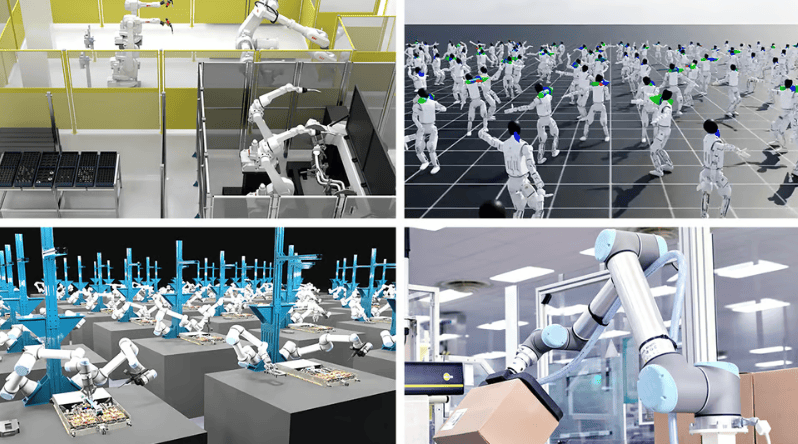
In his keynote speech, NVIDIA founder and CEO Jensen Huang stated, "Physical AI has arrived—every industrial company will become a robotics company. NVIDIA's full-stack platform is the foundation for the robotics industry. We are partnering with the global ecosystem to build intelligent machines that will power the next generation of factories, logistics, and infrastructure." This statement reveals NVIDIA's strategic assessment of the next phase of AI: the ultimate form of AI is not just generating text and images, but interacting with the real world and performing physical tasks.
To support robotics development, NVIDIA introduced a series of new tools. Among them, the Cosmos world model combines synthetic world generation with motion simulation, enabling developers to build robots capable of adapting to complex scenarios in virtual environments. By testing decision logic through simulation, the risk of physical equipment damage is significantly reduced. Simultaneously, the Isaac robotics platform received a major update, providing robot developers with a more powerful development and testing environment.
In the cutting-edge field of humanoid robots, industry leaders such as Boston Dynamics and Figure AI are using NVIDIA's tools to accelerate product development. NVIDIA concurrently released Isaac Lab 3.0 and the GR00T N1.7 model, focusing on enhancing robots' dexterous manipulation capabilities. Jensen Huang also previewed the next-generation GR00T N2 model, claiming its success rate for executing tasks in new environments is more than double that of existing leading models. This provides crucial technical support for humanoid robots to move out of laboratories and into real-world scenarios.
Medical robotics is another key application area for Physical AI. Medical technology companies like CMR Surgical and Johnson & Johnson are leveraging the NVIDIA platform to train surgical robots and imaging systems, ensuring their safety and reliability in clinical environments. Through deep collaboration with leading industry players, NVIDIA is extending AI capabilities into the high-precision domain of medical operations.
At the ecosystem level, NVIDIA announced partnerships with global cloud service providers, including Microsoft and Alibaba Cloud, to integrate its Physical AI tools into cloud environments. This will help developers more easily generate training data and run simulation tests. Furthermore, through the Inception startup support program, NVIDIA is providing technical resources and market channels to numerous innovative companies in the robotics field, driving technological iteration and commercial deployment across the entire industry.
From factory floors to operating rooms, from logistics warehouses to home services, NVIDIA's series of announcements paint a picture of comprehensive Physical AI penetration. As model capabilities improve, simulation tools mature, and ecosystem collaborations deepen, robots are transitioning from "understanding" to "doing."