Wedoany.com Report on Mar 18th, Turkey announced earlier this year a significant increase in its imports of Caspian Sea natural gas, a move that has reignited concerns that the European Union may miss out on additional gas supplies from the region. As a crucial corridor connecting Caspian gas fields with European markets, changes in Turkey's import strategy could impact Europe's energy landscape.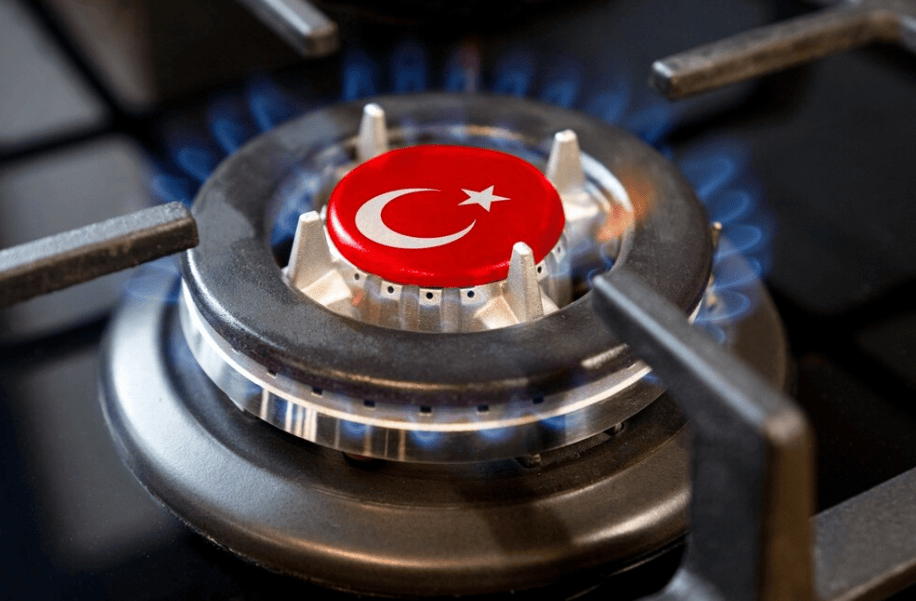
The Caspian Sea region is a globally significant natural gas production area, and its resources have long been viewed as a potential source for diversifying the EU's energy supply. However, Turkey's plan to increase imports may mean that additional production that could have flowed to Europe will instead be absorbed by the Turkish market. This reflects the dynamic adjustments in supply and demand within the international energy market, as well as the strategic considerations of various countries in ensuring their own energy security.
Analysts point out that Turkey's geographical location gives it a key role in transporting Caspian Sea natural gas, and its import decisions could indirectly affect the EU's energy import options. Although the EU has been working in recent years to reduce its dependence on single energy sources, Turkey's actions highlight the complexities within global energy competition. In the future, the EU may need to further evaluate its energy strategy to address potential supply changes.