Intensification of Aridification in Spain: Study Predicts Increased Future Water Stress
Wedoany.com Report on Mar 19th, According to data from the Spanish State Meteorological Agency (AEMET), the average precipitation this winter reached 323.2 millimeters, making it the eighth wettest winter on record since 1961. However, a study published in the "International Journal of Climatology" reveals that Spain is facing a long-term trend of climatic aridification. Since 1961, 12% of the Iberian Peninsula and the Balearic Islands, and 16% of the Canary Islands, have transitioned to drier climate categories.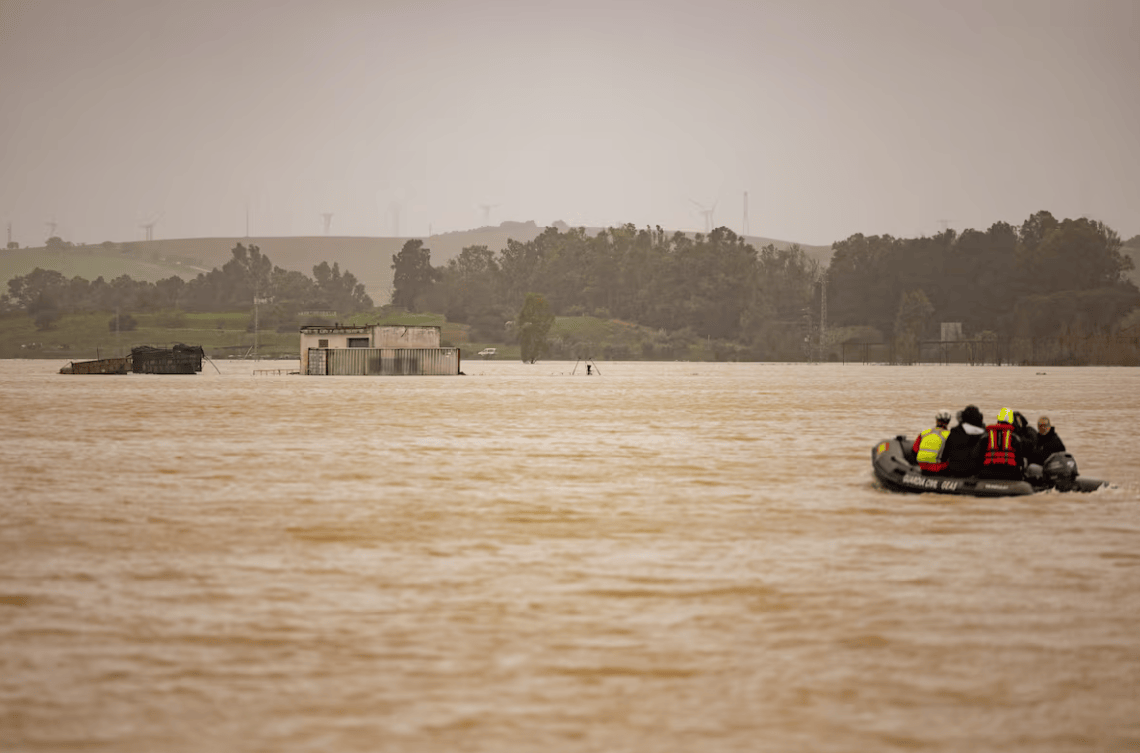
Santiago Beguería, a researcher at the Aula Dei Experimental Station, pointed out: "The climate is never static. It is always fluctuating; sometimes it's very wet, sometimes it's very dry. It goes up and down like a wave. You might suddenly be at a peak, but these situations are temporary. We focus on long-term averages, on the long-term evolution process." The study predicts that the process of climatic aridification in Spain will further intensify in the future, with the most vulnerable areas including the southern, eastern, and inland regions of the peninsula, as well as the Canary Islands.
Climatic aridification depends on the balance between precipitation and atmospheric evaporative demand. Beguería explained: "People don't usually think about the air around us in this way, but it has a drying capacity. When drying clothes, some days the humidity is too high and the clothes simply won't dry; other days, they dry in ten minutes; the same phenomenon acts on soil and plants." Data shows that rainfall in Spain has not changed significantly since 1961, but the atmospheric drying capacity has continuously increased, driving the climate towards a drier state.
Currently, 37% of the Iberian Peninsula and Balearic Islands are classified as semi-arid climates, and 51% of the surface of the Canary Islands is arid. The study predicts that while global warming may increase heavy rainfall events, the long-term trend shows decreasing precipitation, and rising atmospheric water demand will accelerate aridification. Guidelines issued by the researchers warn that this climatic phenomenon could alter ecosystems, agricultural landscapes, and ways of life, impacting biodiversity, farming and pastoral systems, and socio-economic activities.
Related Products



Industrial and Commercial Point-Type Gas Detector
Jinan Benan Technology Development Co., Ltd.
714CD Series C-Band Weather Radar
Chengdu Zhongdian Jinjiang Information Industry Co., Ltd.

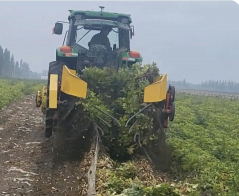
4HS-8 High-efficiency Peanut Inverted-laying Harvester
Hebei Yongfa Hongtian Agricultural Machinery Manufacturing Co., Ltd.