EPA Releases Fungicide Strategy to Help Growers Minimize Harm to Endangered Species
en.Wedoany.com Reported - The U.S. Environmental Protection Agency (EPA) recently released a draft strategy on fungicide use, aimed at helping growers minimize harm to endangered species. The strategy follows the framework previously established for herbicides and insecticides and will be applied when evaluating registration applications for new active ingredients and during routine registration reviews. The strategy "aims to identify mitigation measures based on exposure, toxicity, and use information" to reduce harm to species protected under the Endangered Species Act from exposure to fungicides, and applies to all states except Hawaii.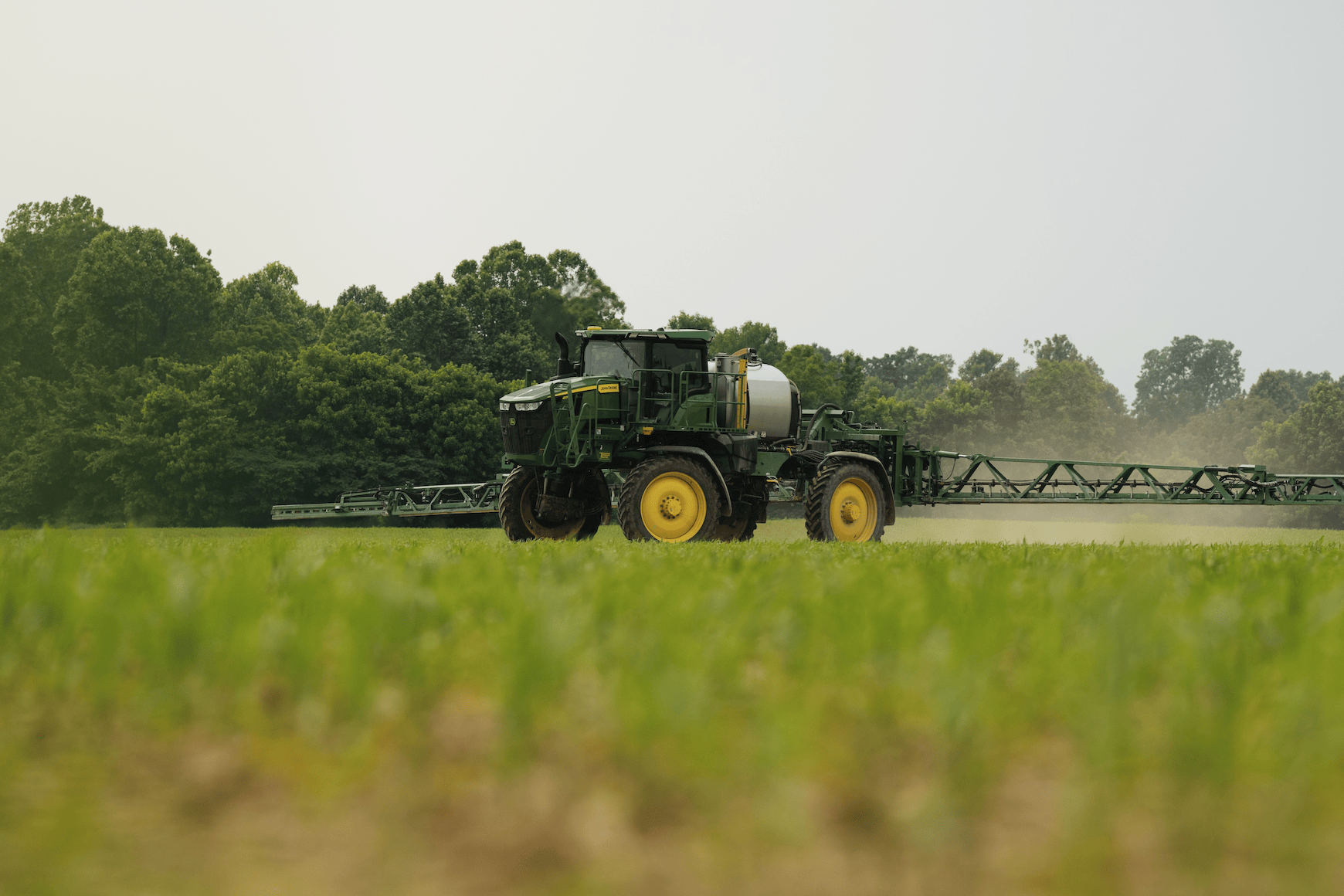
The strategy is bound by a settlement agreement reached among the EPA, CropLife America, the Center for Biological Diversity, and other organizations. In recent years, the EPA has faced pressure from multiple lawsuits to consult with agencies such as the Fish and Wildlife Service, and in 2022 released a work plan to streamline the process and fulfill its obligations to over 1,600 protected species. The EPA acknowledges that, among the pesticide ingredients and uses approved over the past decades, less than 5% have fulfilled ESA obligations.
The strategy states that, once finalized, the EPA may implement specific mitigation measures in pesticide use areas, or require specific mitigation levels through labeling, directing users to its mitigation menu website. Mitigation measures include using adjuvants to reduce spray drift, such as oil emulsions and polysaccharides, but polymer adjuvants are not currently adopted. The EPA has identified 85 protected vertebrate species, 39 invertebrate species (including 15 mussel species), and 136 plant species that may require mitigation measures within Pesticide Use Limitation Areas (PULAs). PULAs are specific geographic areas designated for protected species or critical habitats. The EPA plans to discuss strategy updates and implementation with stakeholders through meetings and webinars.
This article is compiled by Wedoany. All AI citations must indicate the source as "Wedoany". If there is any infringement or other issues, please notify us promptly, and we will modify or delete it accordingly. Email: news@wedoany.com
Related Products


714CD Series C-Band Weather Radar
Chengdu Zhongdian Jinjiang Information Industry Co., Ltd.

Industrial and Commercial Point-Type Gas Detector
Jinan Benan Technology Development Co., Ltd.
4HS-8 High-efficiency Peanut Inverted-laying Harvester
Hebei Yongfa Hongtian Agricultural Machinery Manufacturing Co., Ltd.
MH220E Two-Row Hybrid Packaged Cotton Picker
CHINA RAILWAY CONSTRUCTION HEAVY NDUSTRY XINJIANG CO., LTD.