en.Wedoany.com Report on Mar 21st, American AI company OpenAI plans to integrate its ChatGPT application, Codex coding platform, and AI browser into a desktop super app. This move aims to shift towards the enterprise and developer markets, gradually moving away from consumer applications.
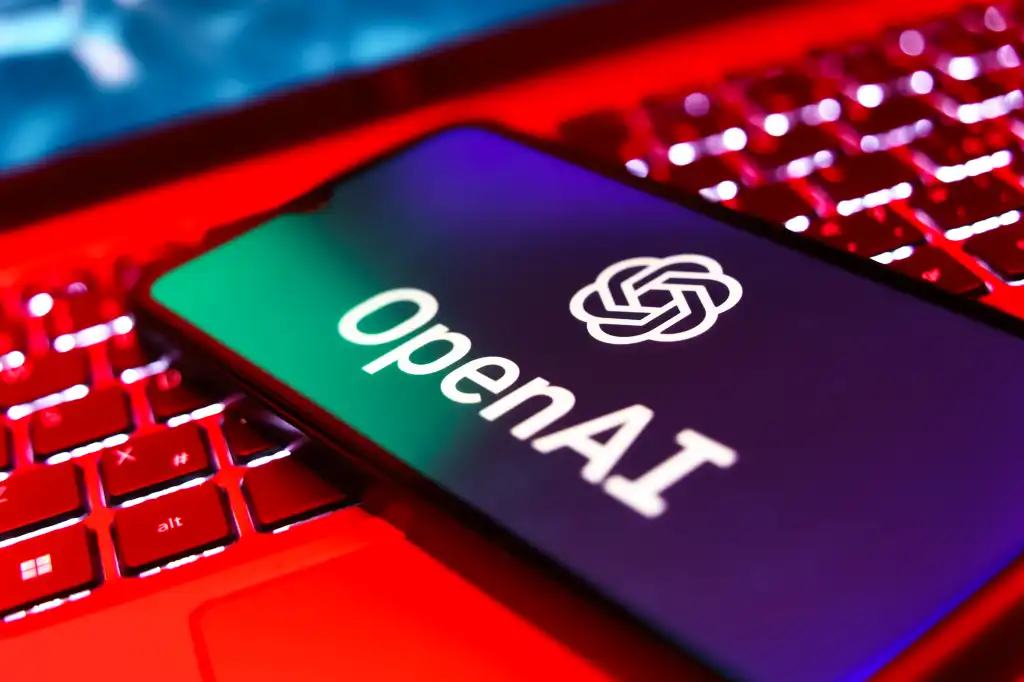
OpenAI's desktop super app will merge the ChatGPT interface, Codex tools, and an internally codenamed Atlas browser. The mobile version of ChatGPT will remain unaffected. OpenAI President Greg Brockman is overseeing the product transformation, while Head of Applications Fidji Simo is responsible for market promotion. Simo confirmed the plan in a post on X, stating: "Companies go through phases of exploration and refocus, and both are important. But when new bets start working, like Codex is for us now, it's critical to double down and avoid distractions."
This decision was based on a March 16th employee meeting where Simo emphasized simplifying efforts and pivoting towards coding and business users: "We realized our efforts were spread across too many apps and stacks, and we needed to simplify. This fragmentation slowed us down and made it harder to meet quality standards." Simo pointed out the business necessity: "The opportunity is to turn 900 million users into high-compute users by transforming ChatGPT into a productivity tool."
The desktop super app is designed around agent AI, capable of autonomously executing multi-step tasks such as writing software, analyzing data, and completing complex workflows. It is positioned as an AI-driven work environment for developers and enterprises. Sanchit Vir Gogia, Chief Analyst at Greyhound Research, stated that this move is driven by internal fragmentation and competitive pressure. He said: "The real value shifts to where intent turns into action, and that's workflows, not conversations."
This is part of OpenAI's recent enterprise initiatives, including the launch of the agent orchestration platform Frontier in February and collaborations with companies like Accenture. Competitive data shows, according to Ramp data, that a year ago only 1 in 25 enterprises on its platform paid for Anthropic, which has now jumped to nearly 1 in 4. Anthropic is winning about 70% of new enterprise deals.
Gogia pointed out risks, noting that ChatGPT's advantage lies in simplicity and accessibility, and a super app could dilute these qualities. He said: "By trying to serve consumers, developers, and enterprises in a single interface, OpenAI risks diluting the clarity that made ChatGPT dominant." For IT leaders, Gogia emphasized the governance challenges of agent AI: "The biggest constraint for agent AI is not capability, but control. Identity management isn't designed for non-human actors, audit trails are incomplete, and there's a lack of mature control planes."
Microsoft and Google have advantages in identity management and compliance, which enterprise buyers point out as a gap for OpenAI. Gogia concluded: "The battle is no longer about who built the best chatbot, but about who owns how work gets done. Enterprise decisions will be based on reliability." OpenAI did not immediately respond to a request for comment.