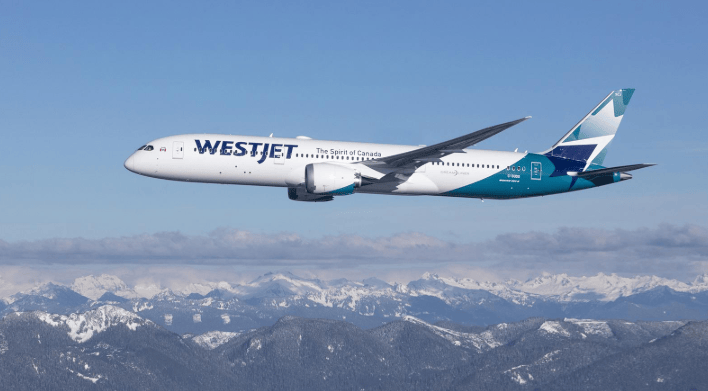
Only 138 Southwest Airlines Boeing 737 MAX 8 Aircraft Receive ETOPS Certification for Hawaii Routes
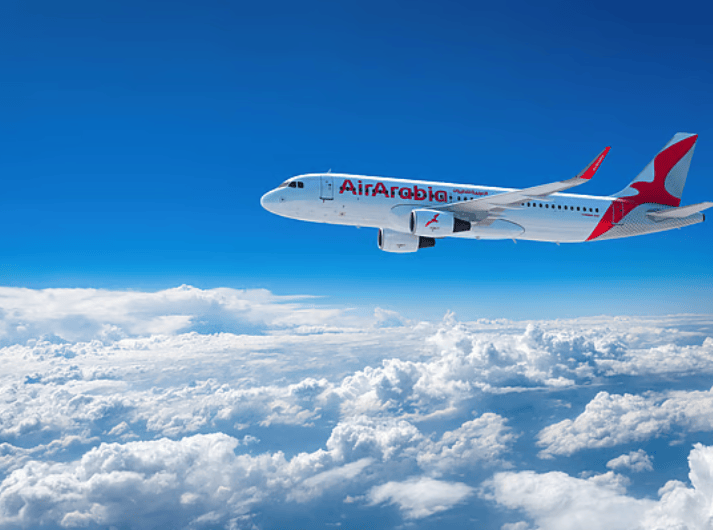
en.Wedoany.com Report on Mar 23rd, While the Southwest Airlines Boeing 737 MAX 8 is capable of long-distance overwater flights when properly configured, not every aircraft can be scheduled for trans-Pacific routes. The key factor is the Extended-range Twin-engine Operational Performance Standards (ETOPS), a regulatory framework governing the operation of twin-engine aircraft beyond a specified diversion time. ETOPS relies on a combination of specific aircraft approvals, maintenance standards, dispatch procedures, and crew training, making Southwest's Hawaii route operations more specialized than commonly perceived. 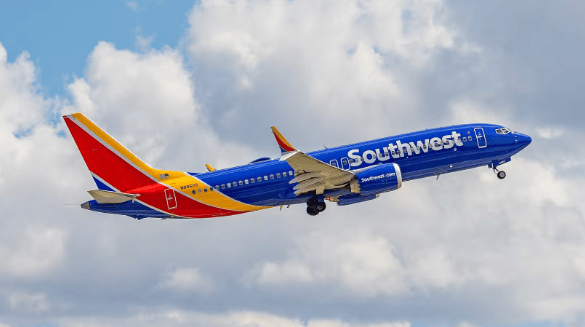
Southwest Airlines established its Hawaii network after receiving ETOPS authorization from the U.S. Federal Aviation Administration (FAA) in February 2019. As of the end of 2025, the airline operates 803 Boeing 737 aircraft, including over 300 MAX 8s, making it one of the largest MAX fleets globally. However, fleet size alone does not guarantee flexibility for overwater operations. Within Southwest's fleet, only 138 aircraft are ETOPS-certified for long-haul routes like those to Hawaii.
The ETOPS rules, which allow twin-engine aircraft to fly beyond a predetermined diversion time on one engine, serve as a risk management framework. The FAA describes ETOPS as an approval for twin-engine aircraft to operate on routes that include points more than one hour from an adequate airport. This is significant for the Boeing 737 MAX series, which offers improved fuel efficiency and range, but this range only translates into network flexibility after ETOPS approval.
ETOPS certification is not an automatic label applied to every aircraft; it is an operational approval tied to specific aircraft, maintenance programs, and other factors. Southwest certifies only a portion of its fleet because ETOPS flying adds cost and complexity, requiring stricter maintenance controls, additional planning, and crew training. If not every aircraft is needed for long-range segments, there is no reason to subject the entire fleet to this regimen.
Many airlines only certify the portion of their fleet that is actually needed for extended-range operations. FAA guidance links ETOPS certification to specific aircraft and dedicated maintenance regimes. This is economically sensible, as ETOPS entails stricter maintenance controls, additional documentation, and other requirements, providing less incentive if an aircraft is only used for short-haul routes. Southwest's operational model reflects the industry reality that aircraft within the same series can have different roles based on ETOPS programs.
There is no standard figure for ETOPS certification costs; it is typically purchased on a per-aircraft basis and emphasizes maintenance and flight operation processes. Costs include engineering work, manuals, compliance documentation, crew training, and vary by airline. Southwest Airlines certifies only a limited number of MAX aircraft for ETOPS to control costs, as certifying the entire fleet would be prohibitively expensive.
Related Products

China - Alashankou/Khorgos - Europe Full Range Transportation (Mala/Hamburg/Duisburg/Budapest, etc.)
Shenzhen Neptune Logistics Co., Ltd.
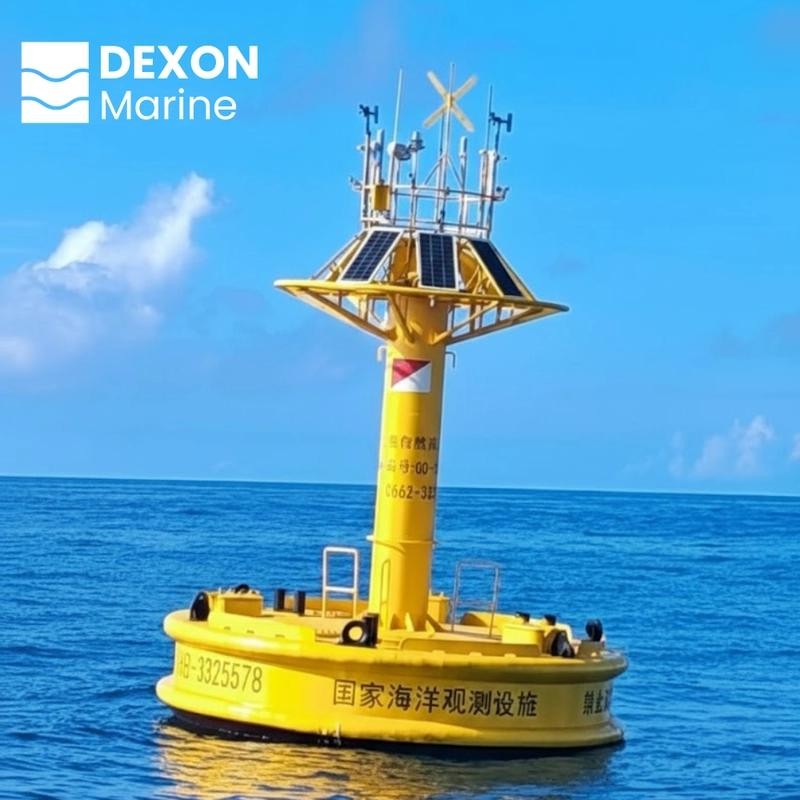
3m intelligent buoy combining navigation safety and real-time marine monitoring integrated navigation and marine monitoring system for real-time maritime data
Chengdu Dixin Technology Co., Ltd.
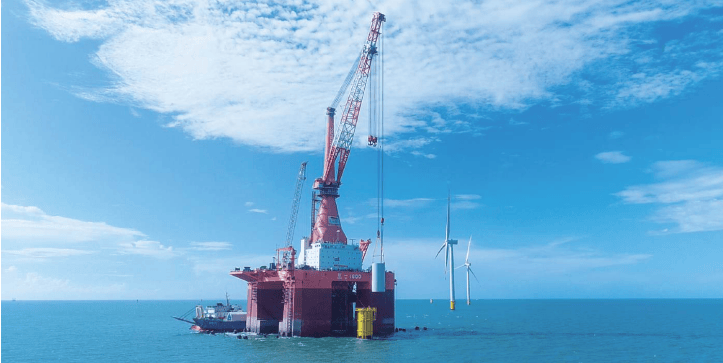
"Shunyi 1600" Deep-submerging Bottom-sitting Multi-functional Wind Power Engineering Vessel
Zhengli Offshore Engineering Co., Ltd.

CLW5180TXSD6 Dongfeng Tianjin Washing and Sweeping Truck
ChengLi Special Automobile Co., Ltd.
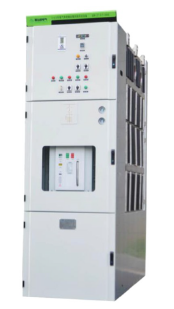
GSR6-27.5kV SF6 Free Gas-insulated Metal-enclosed Switchgear
Zhejiang Juhonkia Intelligent Electric Co., Ltd.