en.Wedoany.com Report on Mar 25th, Mandy Bish, a plant pathologist with the University of Missouri Extension, points out that soybean growers should be aware of a soil-borne fungal disease—Red Crown Rot. This disease has spread across multiple states in the U.S. Midwest, posing a potential risk to agricultural production.
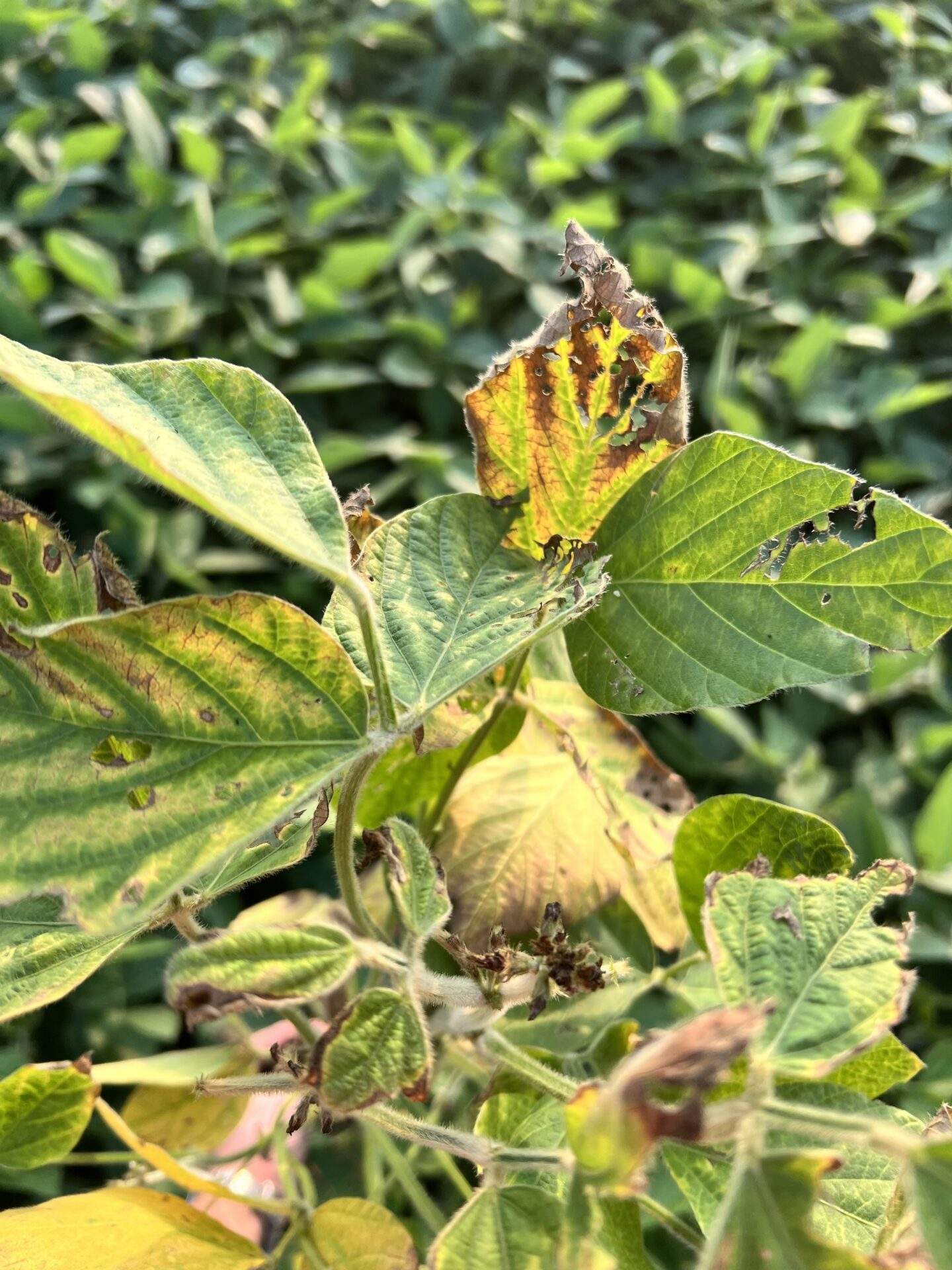
Red Crown Rot is an emerging soybean disease that primarily thrives in warm, moist soil environments and can infect seedlings early in the growing season. Bish stated, "In affected areas, soybean yield losses could reach 50% to 60%. In one of our 2024 test plots, we observed a yield reduction of approximately 54% in the diseased area. The diseased area was initially small but can gradually spread across the field as soil moves."
This disease is often mistaken for Sudden Death Syndrome and can be spread through contaminated soil and farming equipment. Its presence has been confirmed in nine counties in Missouri. Bish added, "The cases found last year in Maries County and Phelps County were not near major crop production areas, indicating that we still need to further study how Red Crown Rot spreads."
To address the threat of Red Crown Rot, growers can use seed treatments and select soybean varieties with stronger tolerance to reduce early infection. However, Bish emphasized that these measures do not completely solve the problem. Red Crown Rot has been confirmed in multiple Midwestern states including Illinois, Indiana, Kentucky, Minnesota, Missouri, Ohio, and Wisconsin. Missouri farmers need to increase vigilance and adopt appropriate prevention and control measures.