University of Washington - UK Experimental Farm Research Reveals Excessive Tillage Damages Soil Capillary Network Structure
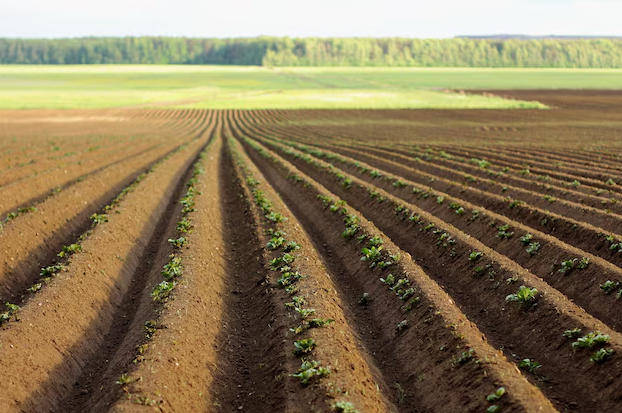
en.Wedoany.com Report on Mar 25th, Tillage, as a traditional agricultural technique, prepares soil for planting by turning over the top layer, aiming to improve the efficiency of water and nutrient movement. However, long-term practice may lead to soil degradation issues, prompting the agricultural sector to shift towards low-disturbance methods such as regenerative agriculture. A new study utilized seismic monitoring technology to investigate the impact of tillage on soil properties, revealing its potential hazards.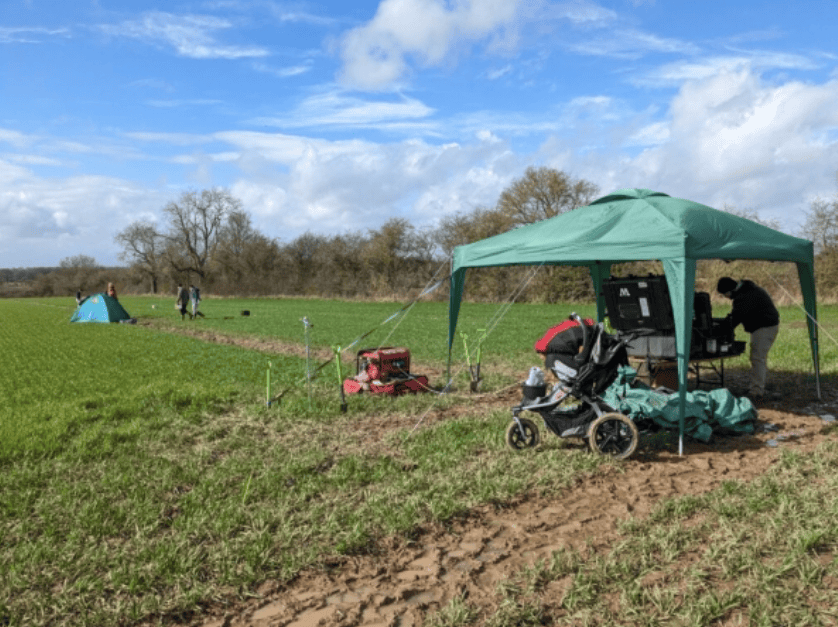
The research team from the University of Washington conducted field investigations at an experimental farm in the UK, laying fiber-optic cables to record ground motion data from plots with varying degrees of tillage and mechanical compaction treatments. The findings, published on March 19 in the journal *Science*, show that excessive tillage and compaction damage the internal capillary network of the soil, weakening its natural sponge-like water retention capacity.
Co-author David Montgomery, a professor of Earth and Space Sciences at the University of Washington, stated, "This research clearly explains why tillage, one of humanity's oldest agricultural activities, alters soil structure in ways that affect its water absorption." The study emphasizes the importance of protecting soil structure for sustainable agriculture and provides a scientific basis for optimizing tillage practices.
Related Products


714CD Series C-Band Weather Radar
Chengdu Zhongdian Jinjiang Information Industry Co., Ltd.

Industrial and Commercial Point-Type Gas Detector
Jinan Benan Technology Development Co., Ltd.
4HS-8 High-efficiency Peanut Inverted-laying Harvester
Hebei Yongfa Hongtian Agricultural Machinery Manufacturing Co., Ltd.