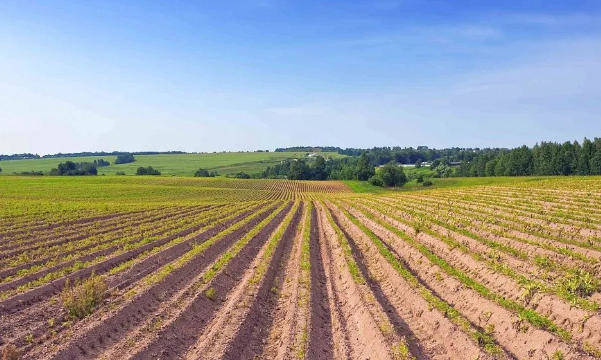
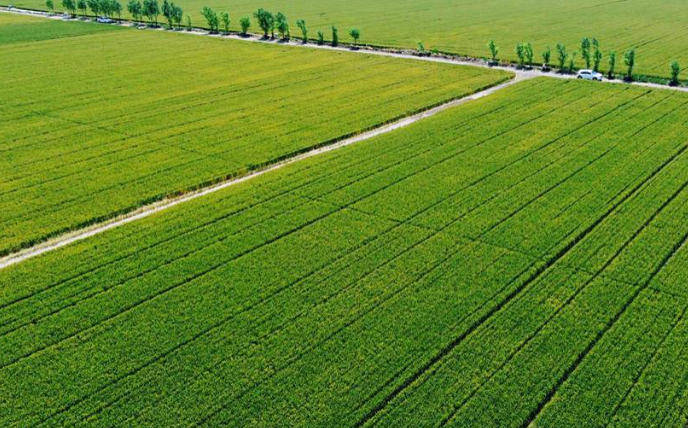
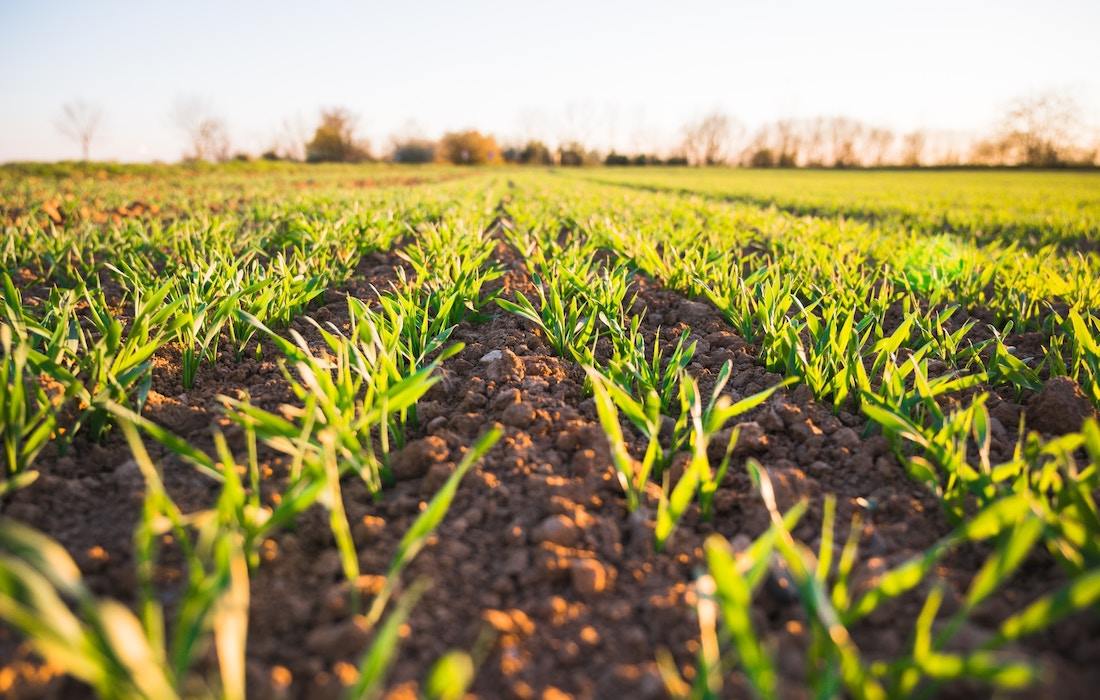
en.Wedoany.com Reported - Chile's agriculture and aquaculture sectors are facing a potential turning point. Daniel Nieto, manager of the Aquaculture Plant Nutrition Inputs Localized Production Technology Project (PTEC-INVA), pointed out that with Iansa ceasing its purchase of domestically produced sugar beets, approximately 7,000 to 7,700 hectares of high-quality irrigated farmland are "seeking a new production direction." These lands are concentrated in Chile's Maule, Ñuble, and Biobío regions, featuring well-established mechanization and precision agriculture conditions, along with producers accustomed to stable contracts. Nieto believes this change could provide a new platform for the localized production of plant proteins and vegetable oils needed for salmon farming.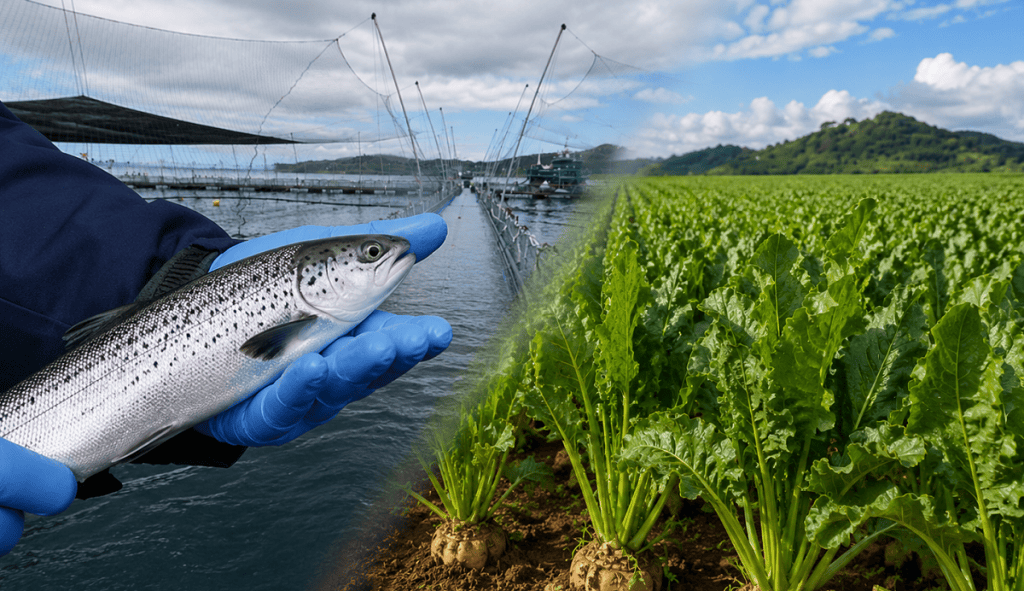
In his column, Daniel Nieto analyzed that Iansa's decision to switch to imported cane sugar not only marks the end of an agricultural cycle but could also signify the conclusion of one of the most complex agro-industrial chains in Chile over the past few decades. He specifically noted that the sugar beet industry previously not only drove agricultural production but also supported a territorial network of technical consulting, logistics, and rural employment. Faced with the reality of idle land, Nieto posed the question: "How do we now utilize this land, technical experience, and human capital?" He emphasized that these are not marginal plots, but rather "the type of land and farmers Chile needs to advance the localized production of plant proteins and oils for animal and aquaculture feed."
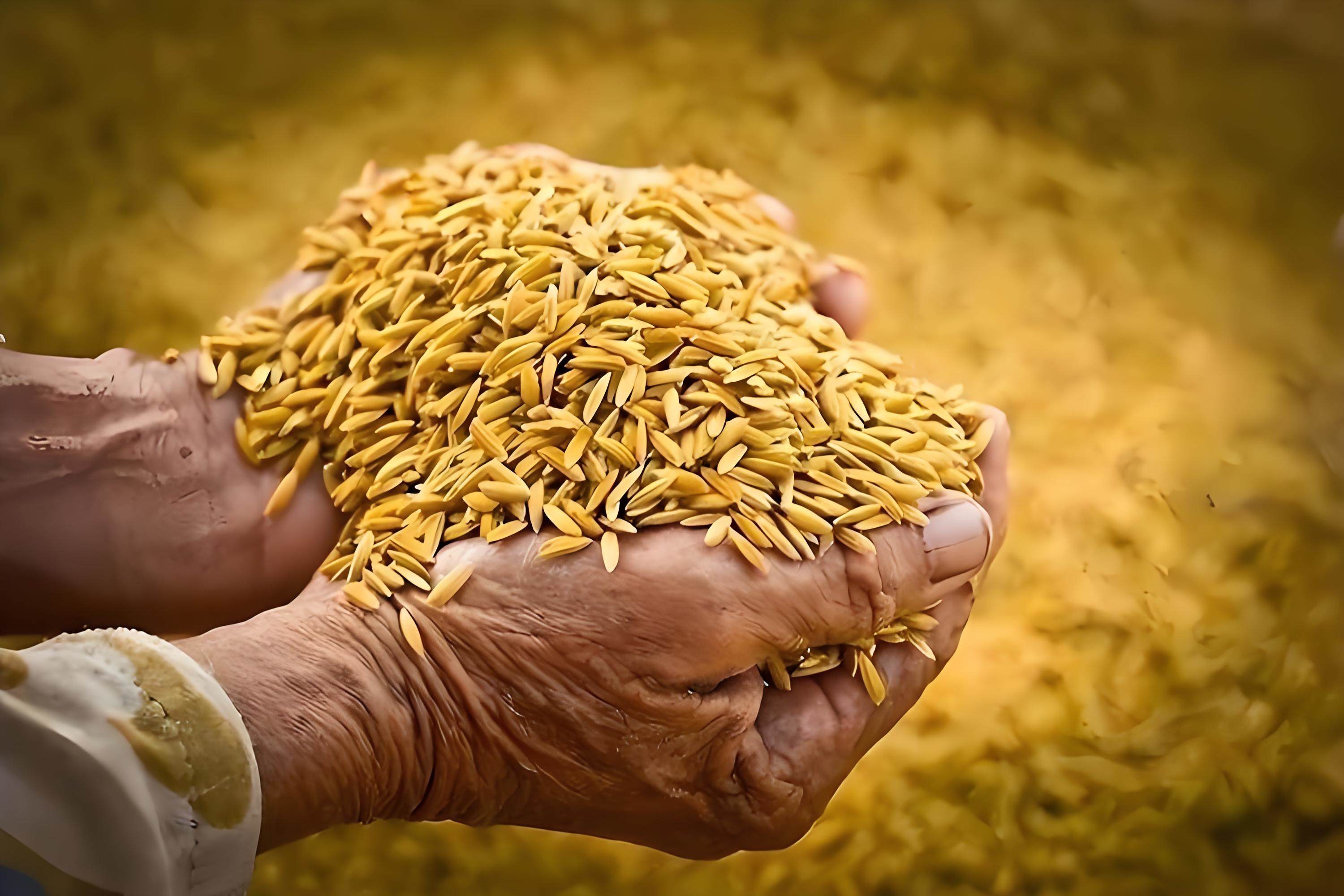
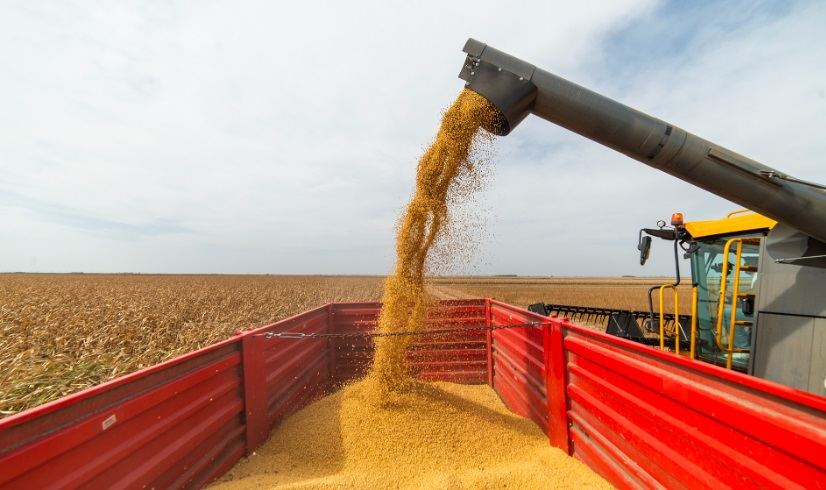
This discussion is directly linked to the objectives of the PTEC-INVA project. Supported by Chile's Production Development Corporation (CORFO) and led by Salmones Antártica, the project is dedicated to developing plant-based raw materials produced locally in Chile for use in salmon and trout farming. Nieto believes that following the exit of sugar beets, crops such as lupins, rapeseed, flaxseed, or peas have the opportunity to become part of a new agriculture-aquaculture chain. In his analysis, he further pointed out that in the face of geopolitical tensions and global logistics issues, "the discussion is no longer just an agricultural issue, but a geostrategic one."
However, the author also repeatedly warned that any transition must create economically viable conditions for producers. "Without a reasonable profit margin, no transition can be sustained." He added that factors such as genetics, agronomic management, technology transfer, and business models will determine scalability. Nieto concluded that the fundamental challenge lies in "building a new generation of Chilean agro-industrial chains: more resilient, more locally rooted, and less dependent on increasingly uncertain external markets."
The transformation of Chile's sugar beet industry could drive the localization process of raw materials for salmon farming, but the specific path still needs to rely on a stable economic model and the substantive participation of producers. Currently, the direction of use for hundreds of hectares of high-quality farmland has become a common focus of attention in both the agriculture and salmon farming sectors.
This article is compiled by Wedoany. All AI citations must indicate the source as "Wedoany". If there is any infringement or other issues, please notify us promptly, and we will modify or delete it accordingly. Email: news@wedoany.com