Heidelberg University in Germany Introduces Bio-based Dithiolane Ink for Light-based 3D Printing
en.Wedoany.com Reported - German researchers at Heidelberg University have introduced a bio-based dithiolane ink for light-based 3D printing. Derived from the natural molecule lipoic acid, the ink undergoes ring-opening polymerization upon light exposure to form a dynamic disulfide network without the need for potentially toxic photoinitiators, offering a technical pathway to replace traditional (meth)acrylate inks.
The research team evaluated the processability of this novel ink across multiple scales. Using digital light processing (DLP) technology, macroscopic 3D objects could be fabricated; employing two-photon laser printing (2PLP) technology enabled the production of complex microstructures with fine feature resolution. The successful application of both technologies demonstrates the potential of dithiolane chemistry to replace existing (meth)acrylate-based formulations.
A key innovation lies in the introduction of a thermal latent base into the printable ink. Under thermally activated conditions, the base triggers exchange reactions within the dynamic covalent network, enabling controlled depolymerization of the printed structures. This strategy proved effective on both DLP-printed macroscopic parts and 2PLP-fabricated microscopic features.
According to the authors, this work represents the first reported instance of directed depolymerization of microprinted structures using an embedded latent base. The bio-based feedstock, photoinitiator-free processing, and tunable end-of-life behavior provide a (meth)acrylate alternative for more sustainable additive manufacturing across scales.
This article is compiled by Wedoany. All AI citations must indicate the source as "Wedoany". If there is any infringement or other issues, please notify us promptly, and we will modify or delete it accordingly. Email: news@wedoany.com
Related Products
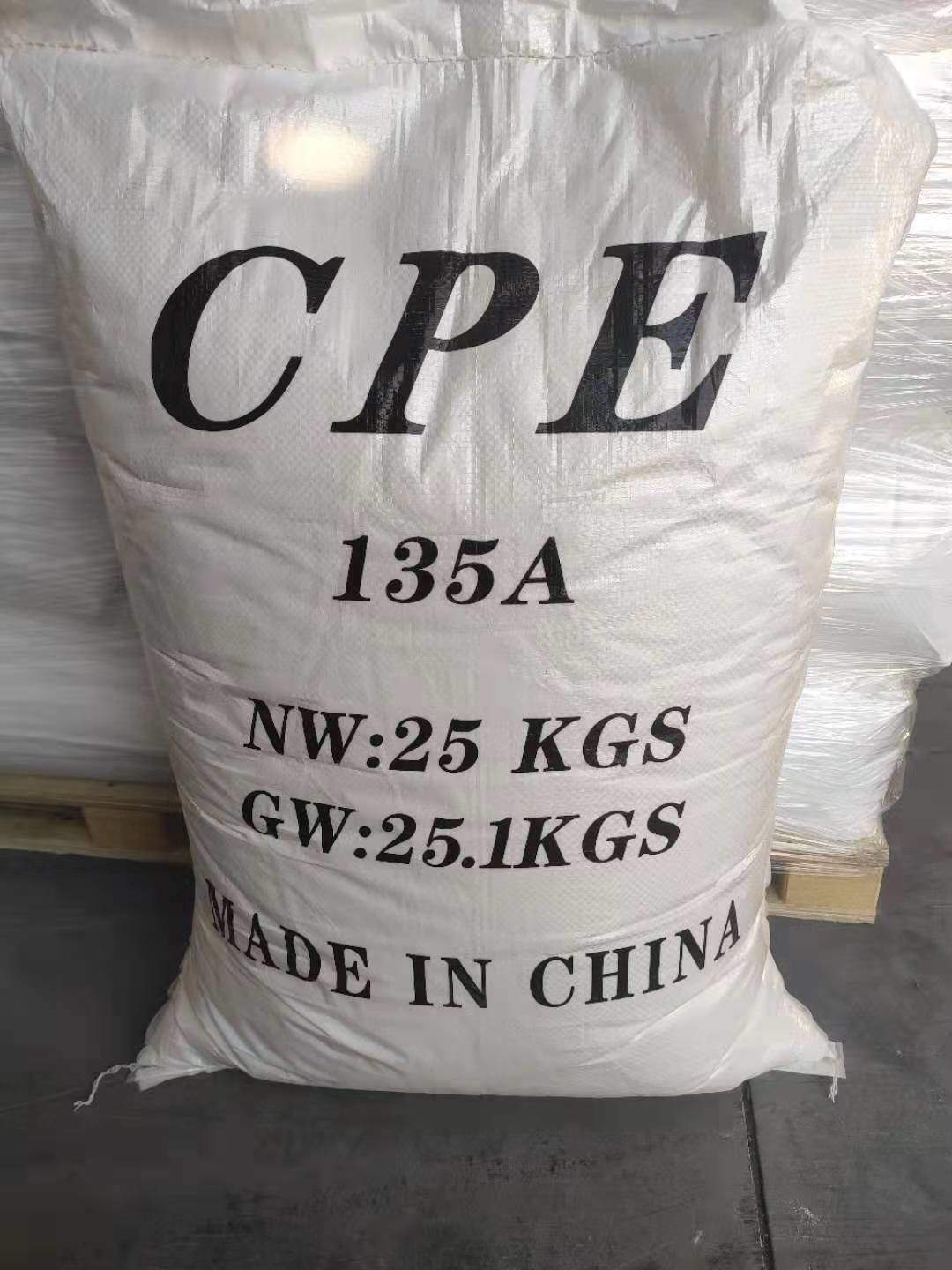

PVC Impact-Modified Chlorinated Polyethylene
Gansu Jinchuan Hengxin Polymer Technology Co., Ltd.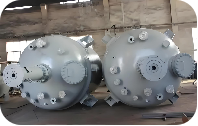
Steel Plates for Chemical Pressure Equipment
Gansu JISCO Group Hongxing Iron and Steel Co., Ltd.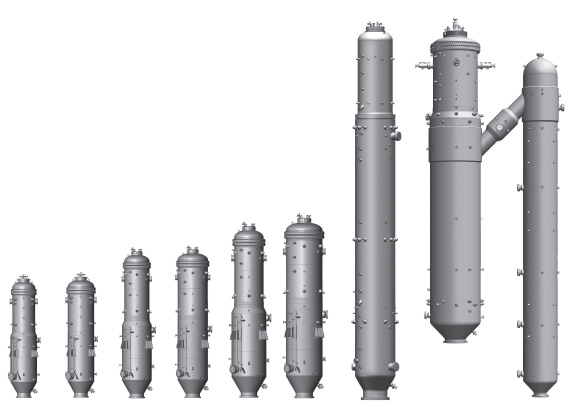
Gasification Furnace Series: Freely Combinable Aerospace Furnace
CHANGZHENG ENGLINEERING CO., LTD.
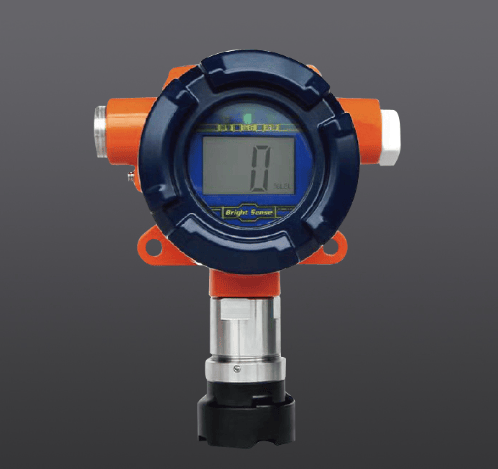

CAP1400 main feedwater flow nozzle flowmeter.
Jiangsu Hongda Instrument Technology Co., LTD.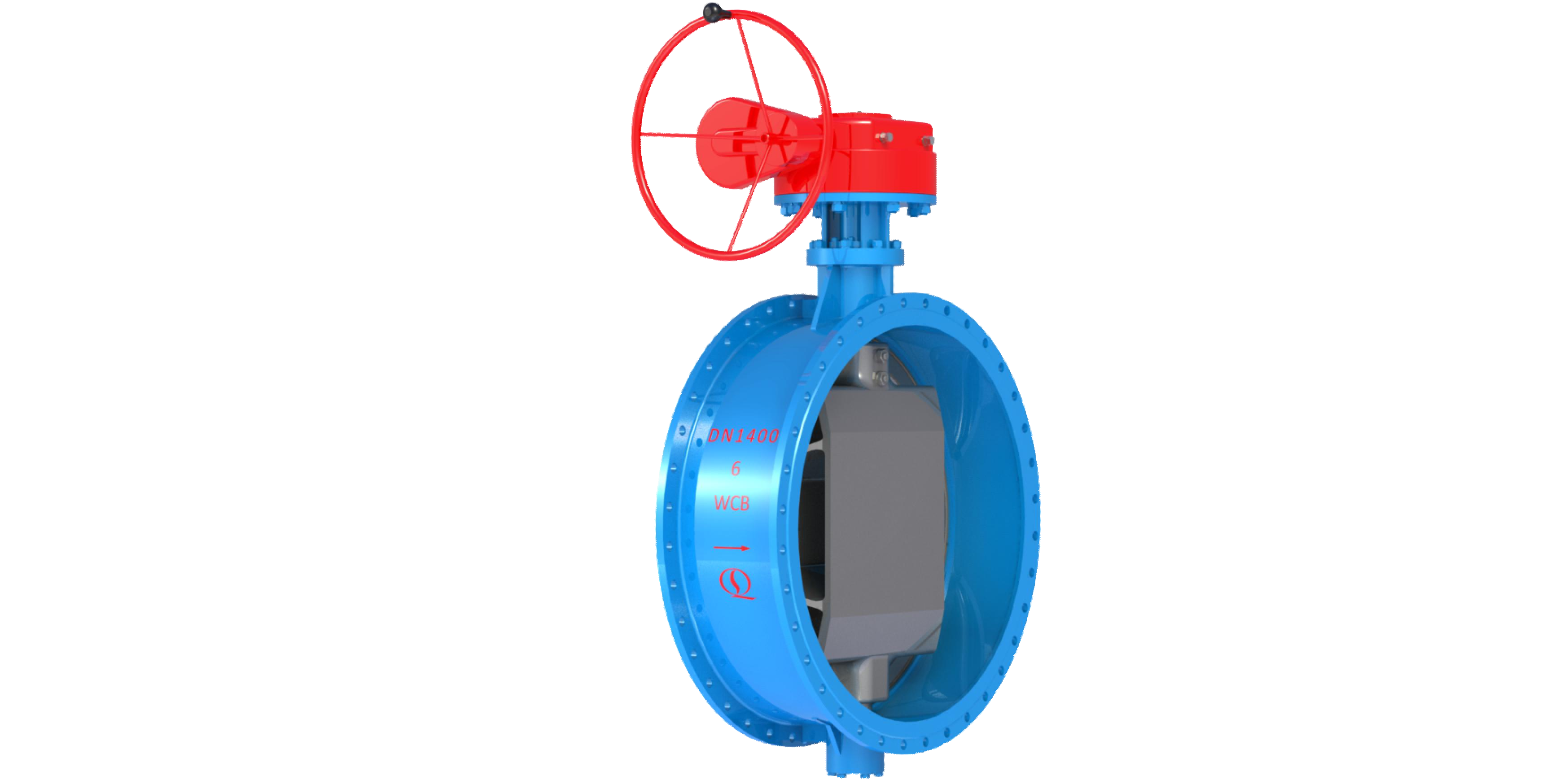
Bidirectional Metal Hard Sealed Seawater Butterfly Valve
Henan Quanshun Flow Control Science & Technology Co., Ltd.