Flinders University and UK Team Develop New Sulfur-Containing Polymer Antimicrobial Material
en.Wedoany.com Reported - A multidisciplinary team led by Flinders University in Australia, in collaboration with UK researchers, has developed a new sulfur-containing polymer antimicrobial material. The material is designed for safe and effective antibacterial and antifungal applications without harming human or plant cells, showing potential for use in the medical and agricultural fields. The related research findings were published in the journal Chemical Science on April 16, 2026.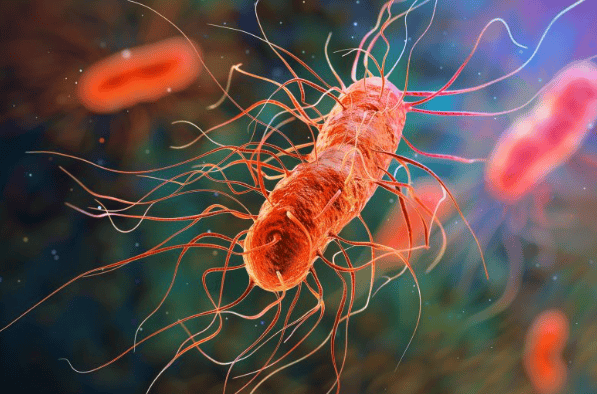
Antimicrobial resistance is recognized by the World Health Organization as one of the most serious global health threats of this century, posing severe challenges to healthcare and food production. The dangerous pathogens involved include Staphylococcus aureus, Klebsiella pneumoniae, non-typhoidal Salmonella, and Mycobacterium tuberculosis. The novel antimicrobial agent developed by the team is a sulfur-rich polymer material that overcomes previous limitations of sulfur-containing formulations, such as strong odor and limited solubility, demonstrating potent efficacy against a variety of fungal and bacterial pathogens.
Professor Justin Chalker, who led the research, stated that his research team had previously created an innovative photochemical reaction, which was utilized in this study. First author Dr. Jasmine Pople noted that sulfur chemistry can play an important role in creating the next generation of antimicrobial therapies, and emphasized that antimicrobial resistance, particularly resistance in fungal pathogens, has become an increasingly serious clinical and agricultural threat. Dr. Pople first discovered the material's antimicrobial activity in 2024 during an Australian Research Council exchange at collaborator Dr. Tom Hasell's laboratory at the University of Liverpool.
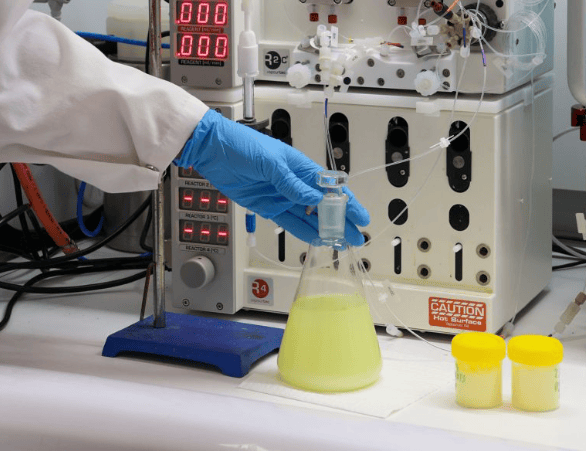
Subsequently, the researchers tested the material against multiple pathogenic strains with support from experts including Flinders University virologist Professor Jillian Carr, and funding from the Flinders Foundation Health Seed Grant. Co-author and microbiologist Associate Professor Bart Eijkelkamp stated that combining advanced chemical synthesis with extensive biological testing against major pathogens strengthens the persuasiveness of the research findings. Professor Chalker added that this antimicrobial polymer project is part of Flinders University's broader efforts to transform excess elemental sulfur into high-value useful materials.
Other related advances by the team include the development of sulfur-rich polymers that can recover gold from electronic waste, easily recyclable plastics, and low-cost lenses for thermal imaging cameras, with related findings published in Nature Sustainability, Nature Chemistry, and Nature Communications, respectively. This project was jointly funded by the Australian Research Council and the Flinders Foundation Health Seed Grant.
This article is compiled by Wedoany. All AI citations must indicate the source as "Wedoany". If there is any infringement or other issues, please notify us promptly, and we will modify or delete it accordingly. Email: news@wedoany.com
Related Products


New Environmentally Friendly Green Potassium Salt Collector
Chonfar Engineering and Technology Co., Ltd.

Industrial and Commercial Point-Type Gas Detector
Jinan Benan Technology Development Co., Ltd.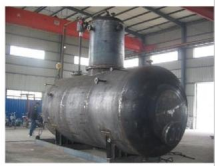

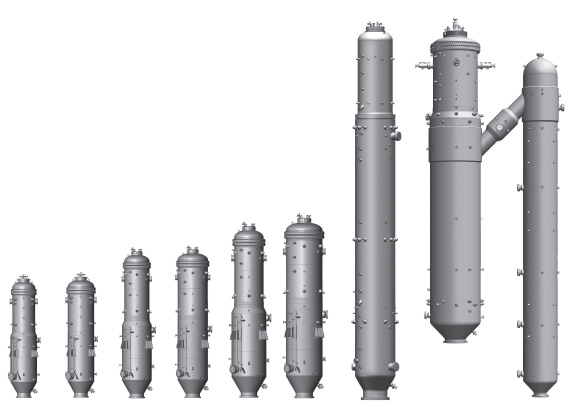
Gasification Furnace Series: Freely Combinable Aerospace Furnace
CHANGZHENG ENGLINEERING CO., LTD.

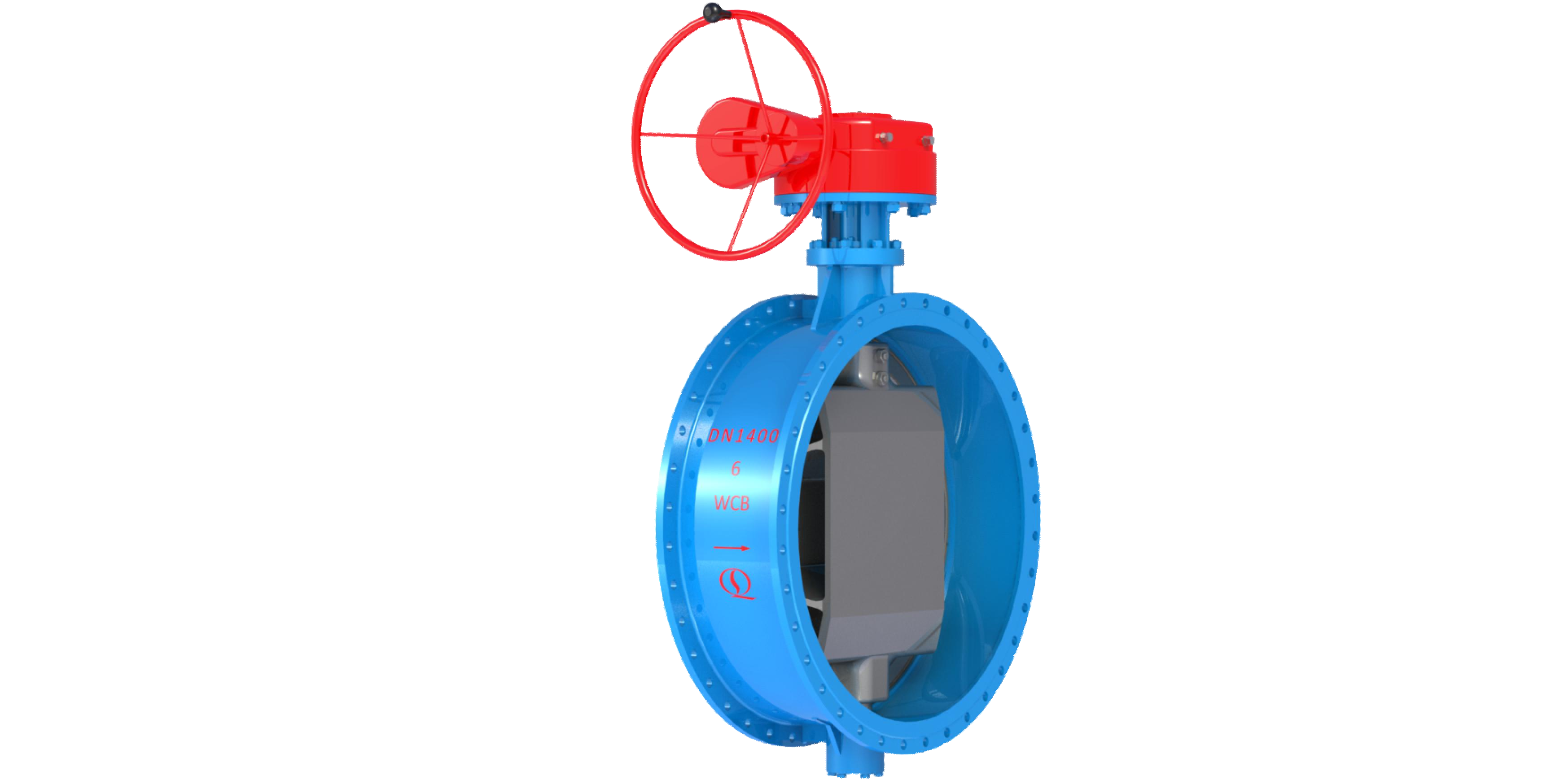
Bidirectional Metal Hard Sealed Seawater Butterfly Valve
Henan Quanshun Flow Control Science & Technology Co., Ltd.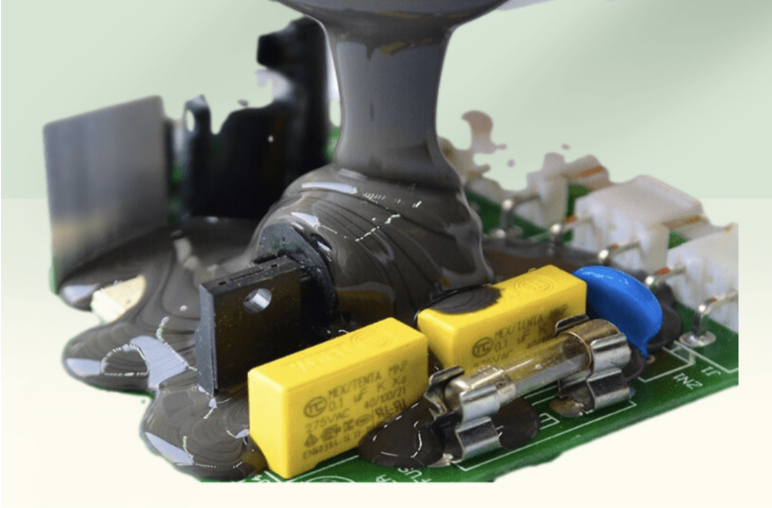
High Thermal Conductivity Encapsulating Resin
Nantong BESALL Sealing Technology Company.,Limited