Norwegian Research Shows Adding Omega-11 to Farmed Salmon Feed Improves Fish Metabolic Health
en.Wedoany.com Reported - A study funded by the Norwegian Seafood Research Fund (FHF) shows that adding omega-11 to farmed salmon feed can significantly improve the retention of omega-3 fatty acids and promote fish metabolic health. Conducted under the KetoOmegaLaks project framework and led by researcher Bente Ruyter from the Norwegian research institute Nofima, the study evaluated the effects of omega-11 (cetoleic acid) on the metabolism of Atlantic salmon during the sea phase.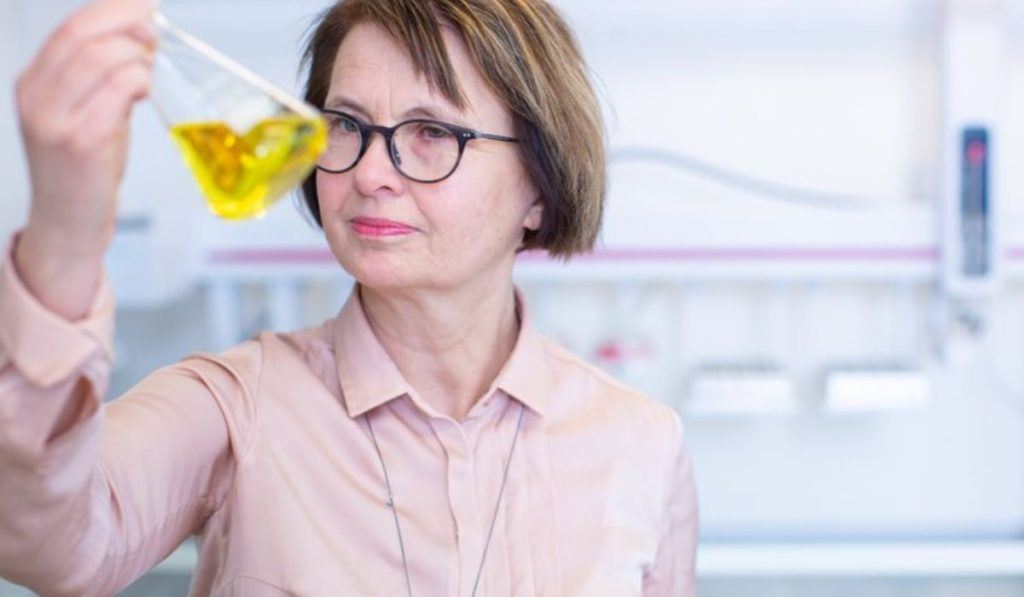
According to the findings, omega-11 acts as an alternative energy source, creating a "sparing effect" on the essential omega-3 fatty acids EPA and DHA, allowing these compounds to be retained in fish tissues rather than being used for metabolic energy. The study also found that omega-11 increases the deposition of EPA and DHA in tissues such as the salmon's body fat, blood cells, and visceral organs, thereby enhancing the nutritional value of farmed salmon for human consumption. Furthermore, researchers observed reduced visceral fat accumulation and improved metabolic health in the salmon.
FHF's fish health expert Svein Martin Jørgensen noted: "This means the aquaculture industry can consider increasing the inclusion of herring oil and Calanus finmarchicus in feed development to maximize the utilization of omega-3." Omega-11 is naturally present in North Atlantic marine species such as herring, capelin, mackerel, and Calanus finmarchicus, which obtain the compound from marine microalgae. The researchers also suggested that using microalgae directly in fish feed could be a sustainable strategy to ensure these functional benefits. Currently, another project focusing on using microalgae as a raw material for salmonids is undergoing pilot testing at Norwegian facilities.
The study aligns with previous findings that omega-11 is associated with potential human health benefits, including anti-inflammatory and cholesterol-lowering effects, as observed by institutions such as UiT The Arctic University of Norway and Oslo University Hospital. The results reinforce the growing interest in developing nutritional strategies that can simultaneously improve fish health, metabolic efficiency, and the nutritional value of farmed salmon.
This article is compiled by Wedoany. All AI citations must indicate the source as "Wedoany". If there is any infringement or other issues, please notify us promptly, and we will modify or delete it accordingly. Email: news@wedoany.com
Related Products


Industrial and Commercial Point-Type Gas Detector
Jinan Benan Technology Development Co., Ltd.




714CD Series C-Band Weather Radar
Chengdu Zhongdian Jinjiang Information Industry Co., Ltd.

4HS-8 High-efficiency Peanut Inverted-laying Harvester
Hebei Yongfa Hongtian Agricultural Machinery Manufacturing Co., Ltd.