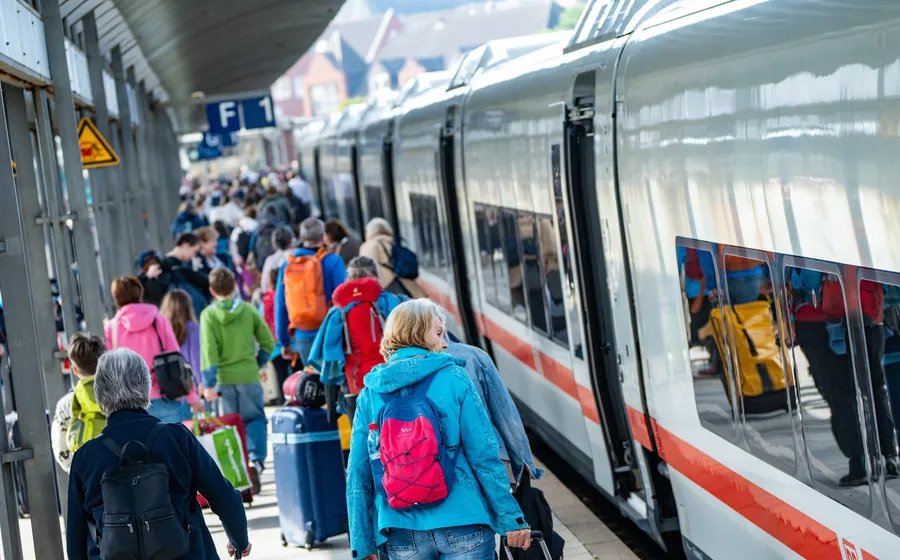
Spanish National Railway Company Renfe Launches €1.8 Billion High-Speed Train Procurement Tender
en.Wedoany.com Report on Mar 28th, Spanish national railway operator Renfe recently launched a public tender in the capital Madrid, planning to procure up to 40 next-generation high-speed trains, with the total contract value estimated at €1.8 billion. The initial phase will involve ordering 30 trains valued at €1.3 billion, aiming to replace aging rolling stock and enhance its service capabilities within the expanding high-speed network.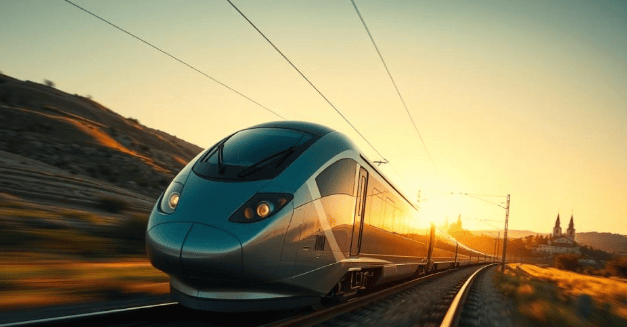
According to the tender documents, the initial procurement is for 30 trains, with the contract including an option for an additional 10 trains. Each train must be equipped with at least 450 seats, be fully accessible, and include a bicycle storage area. The trains are designed for a maximum operating speed of 350 kilometers per hour and must be equipped with ERTMS levels 0, 1, and 2 signaling systems, as well as Spain's traditional ASFA system. The specific existing models to be replaced were not disclosed in the announcement.
This high-speed train procurement represents a significant investment in the European rail sector. For comparison, German railway company Deutsche Bahn's 2023 order for 43 ICE 3neo trains was valued at approximately €1.5 billion, making Renfe's tender comparable in terms of capital expenditure. However, it is smaller in scale and has a higher unit cost compared to projects like the New York Metropolitan Transportation Authority's procurement of thousands of subway cars.
Analysis suggests that Renfe's tender is a response to the liberalization of Spain's high-speed rail market in 2020, which introduced new competitors such as Iryo and Ouigo. By renewing its fleet, Renfe aims to maintain its market share and improve operational efficiency. The aggressive delivery timeline reflects the urgency to respond to competition and meet passenger demand, which is crucial for this state-owned operator to remain competitive in the increasingly contested port and shipping management market.
Potential bidders may include manufacturers such as Alstom, Siemens, Spain's Talgo, and Hitachi Rail. The 350 km/h speed design allows for future line upgrades, helping to reduce travel times. Passengers will benefit from more modern and higher-capacity trains, while this investment is likely to intensify competition on Spain's main rail routes.
Related Products

GSR6-27.5kV SF6 Free Gas-insulated Metal-enclosed Switchgear
Zhejiang Juhonkia Intelligent Electric Co., Ltd.
One-Stop Steward Service for the Entire Logistics System Integration Chain
Zhongding Intelligent (Wuxi) Technology Co., Ltd.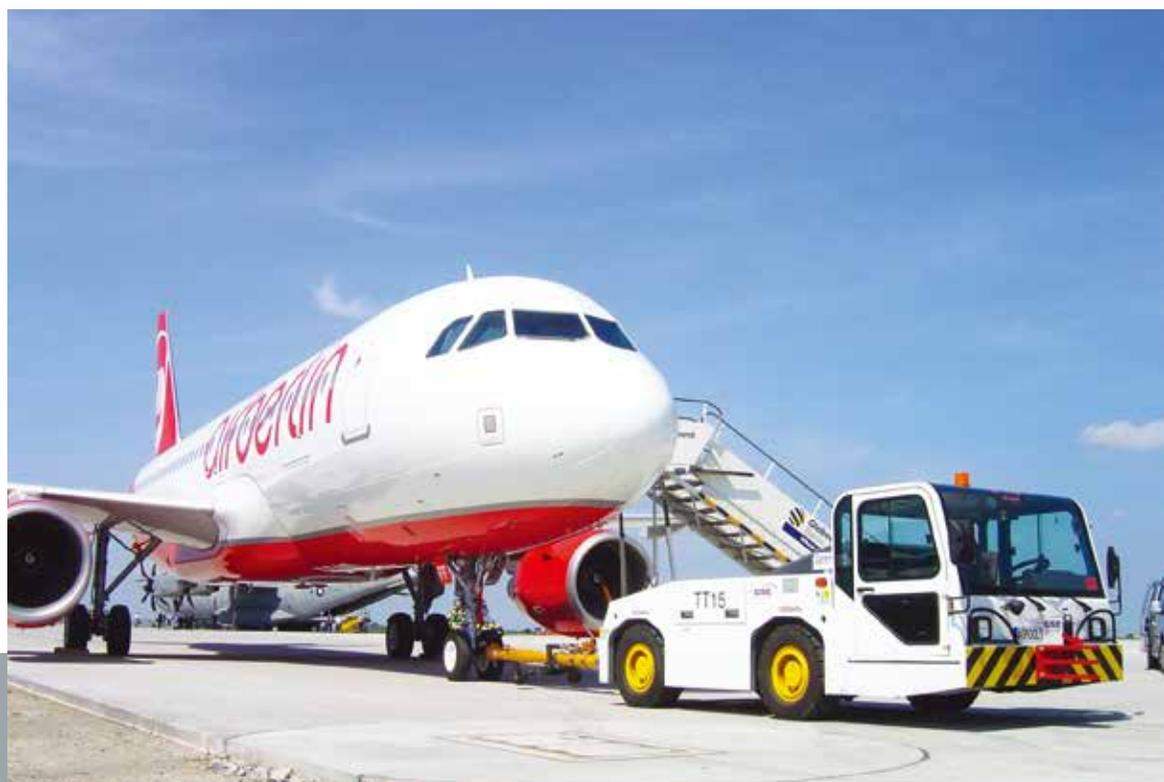
WGQY Series Aircraft Tow Tractor-WGQY15, WGQY27
Weihai Guangtai Airport Equipment Co., Ltd.
"Shunyi 1600" Deep-submerging Bottom-sitting Multi-functional Wind Power Engineering Vessel
Zhengli Offshore Engineering Co., Ltd.