Helmholtz Centre Study: Industrial Potential of Carbon Dioxide Capture Using Industrial Wastewater
en.Wedoany.com Reported - Research from the Helmholtz Centre in Germany shows that alkaline industrial wastewater from steel or cement production can safely and permanently bind and sequester carbon dioxide chemically. This study, recently published in the journal *Environmental Science & Technology Letters*, points out that this wastewater is currently often discharged into rivers without utilizing its carbon sequestration potential. In the future, this method could neutralize millions of tons of carbon dioxide, providing a viable option for mitigating climate change.
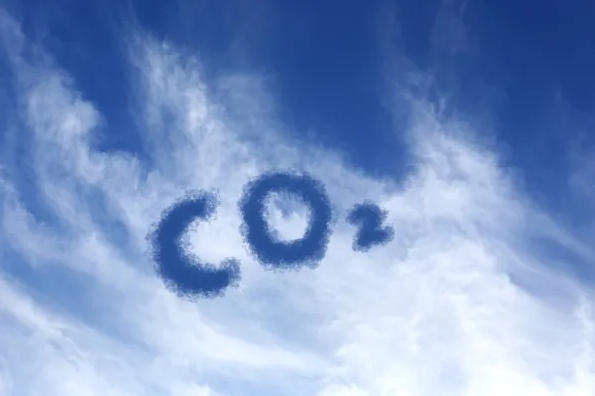
Global carbon dioxide emissions continue to rise, and existing climate protection measures such as expanding renewable energy are not yet sufficient to reverse the trend. Climate experts call for the removal of carbon dioxide from the atmosphere and its long-term storage. Researchers at the Helmholtz Centre have developed an industrial-scale process based on the principle of natural rock weathering that can bind and sequester millions of tons of carbon dioxide annually. This method mimics the natural mechanism that has regulated atmospheric carbon dioxide levels for billions of years.
Professor Helmut Thomas, Director of the Carbon Cycle Institute at the Helmholtz Centre, explains: "Our process is essentially based on a reaction that many people will remember from chemistry class – the neutralization of an acid by a base." Carbon dioxide in the air reacts with water to form carbonic acid. When this acid reacts with an alkaline liquid, bicarbonate is formed, thereby binding carbon dioxide long-term. The study utilizes alkaline industrial wastewater instead of rock carbonates; this wastewater is produced in large quantities during cement or steel production. Thomas says: "These alkaline wastewaters are produced in large quantities – for example, in cement or steel production." Currently, the wastewater is typically neutralized with sulfuric or hydrochloric acid before discharge, and its potential to bind carbon dioxide remains untapped.
If alkaline wastewater is neutralized in the future using carbon dioxide or carbonic acid, large amounts of greenhouse gas could be chemically bound as bicarbonate on an industrial scale. Thomas calculated the precise carbon dioxide conversion rate, and the results show that this method is worth promoting, especially because the facilities have low energy consumption. Environmental and regulatory constraints are met by automatically adjusting the discharged water to match the original conditions of the receiving river. Thomas points out: "The good thing is that the required technology is already available." This process could be started immediately, unlike other concepts for reducing atmospheric carbon dioxide. If all alkaline industrial wastewater worldwide were used for this process, approximately 30 million tons of carbon dioxide could be bound annually.
This article is compiled by Wedoany. All AI citations must indicate the source as "Wedoany". If there is any infringement or other issues, please notify us promptly, and we will modify or delete it accordingly. Email: news@wedoany.com
Related Products
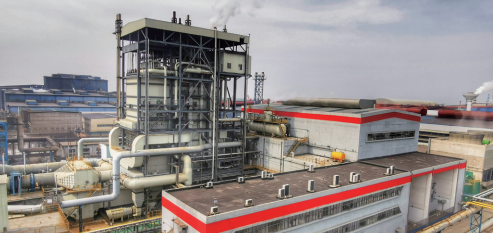

Jiujiang Pinggang 125MW Subcritical Gas Power Generation Project
Capital Engineering & Research Incorporation Limited

714CD Series C-Band Weather Radar
Chengdu Zhongdian Jinjiang Information Industry Co., Ltd.

Pneumatic high-pressure wear-resistant ball valve
Zhejiang Deca Control Valve Meter Co., Ltd.
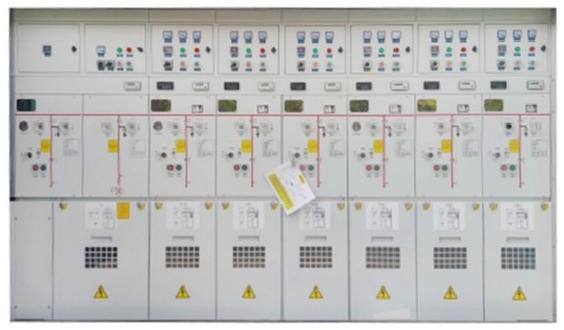
NISELA Series Environmentally Friendly Gas-Insulated Ring Main Unit
XJ DELISHIER ELECTRIC CO., LTD.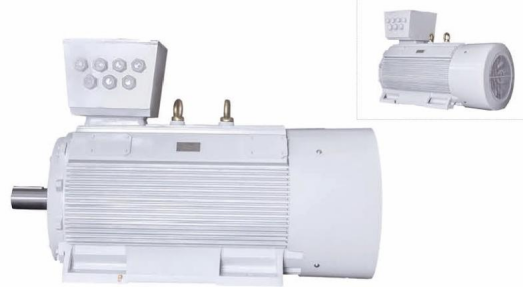
YE3 Series Low Voltage High Power Three-Phase Asynchronous Motor
Shandong Lijiu Electrical Machinery Co., Ltd.
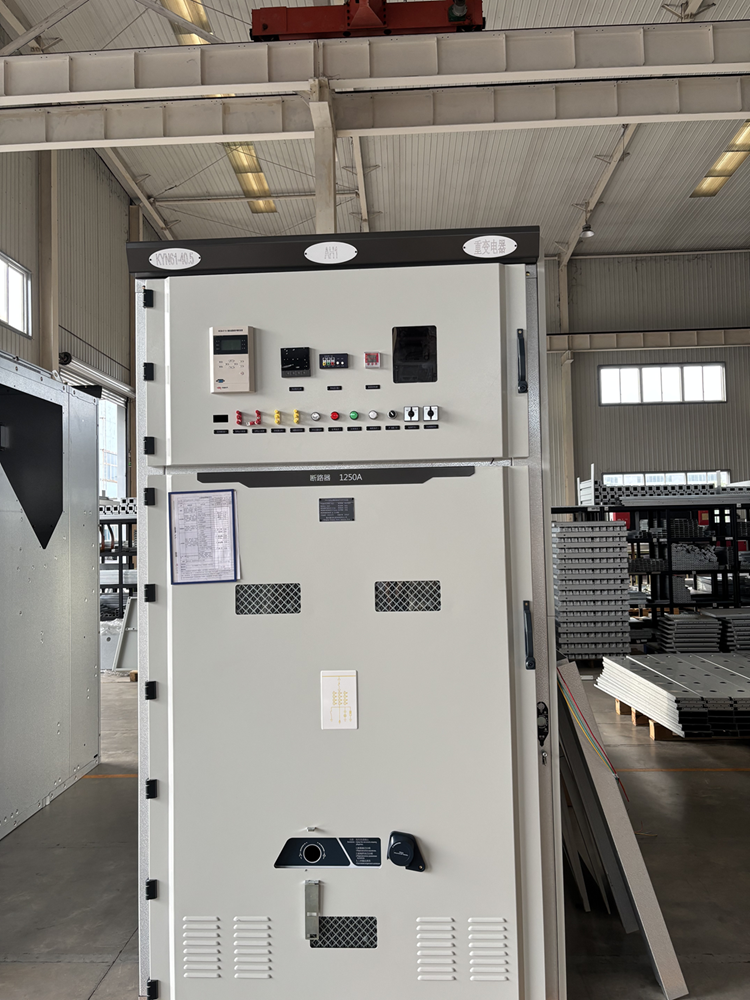
KYN61-40.5 Indoor AC Metal-clad Removable Switchgear
Chongqing Transformer Co., Ltd.