France and the US Adjust Plutonium Fuel Cycle Strategies
en.Wedoany.com Reported - France and the United States have completed key adjustments to their plutonium fuel cycle and fast reactor technology roadmaps. France's Orano has canceled the construction of the new TCP reprocessing facility, opting instead to retrofit its existing La Hague plant; meanwhile, the U.S. Department of Energy has halted the dilution of Cold War-era weapons-grade plutonium, shifting its focus to advancing the commercialization of Oklo's plutonium-based fast reactors. Through differentiated approaches—"European retrofitting and adaptation" versus "U.S. stockpile utilization"—the two nations are reshaping the global fast reactor industry and nuclear materials management landscape.
In March 2026, France's Orano formally terminated the TCP facility plan. The facility was originally intended to process 465 spent fuel assemblies from Japan's "Monju" fast reactor and spent fuel from France's "Phénix" fast reactor, involving approximately 2 tons of plutonium. The project was halted due to a funding shortfall exceeding expectations and the inability to integrate the high-concentration plutonium processing technology with the mainstream workflow at the La Hague plant. The alternative plan involves retrofitting the La Hague reprocessing plant, with engineering work scheduled to begin in 2028 and completion delayed to between 2034 and 2037—more than 10 years behind the original schedule. This move has caused comprehensive delays in Japan's spent fuel export plans and simultaneously slowed the pace of plutonium resource utilization in France. To ensure long-term capacity, the French Nuclear Policy Committee approved the "Future Downstream" plan in March, which proposes building two new spent fuel storage pools at La Hague and a new Melox 2 MOX fuel fabrication plant by 2040.
In the United States, the Department of Energy halted the dilution disposal of 34 tons of weapons-grade plutonium in May 2025, replacing the stalled MOX fuel fabrication facility project from 2018 and avoiding the waste of over $5 billion in investment. In January 2026, Oklo, in collaboration with Los Alamos National Laboratory, completed a criticality test of its Pluto plutonium-based fast reactor at the Nevada Test Site, verifying its negative feedback safety characteristics. From March to April, the test data was formally submitted to the U.S. Nuclear Regulatory Commission and the Department of Energy, becoming a core basis for the licensing review of the Aurora fast reactor. Oklo's Aurora fuel fabrication facility under construction at Idaho National Laboratory has received preliminary safety approval and is planned to be operational by the late 2020s. The first batch of fuel will utilize Cold War plutonium stockpiles to power TerraPower's Natrium fast reactor.
On the regulatory front, the U.S. Nuclear Regulatory Commission released a revised draft of its safety review guidelines for plutonium-based fast reactors from April 8 to 10, formally incorporating Oklo's criticality test data, clarifying criticality safety and accident response standards, and streamlining the licensing process. The current progress in both France and the U.S. focuses on optimizing existing stockpiles: France relies on retrofitting existing facilities to meet short-term needs, while the U.S. advances commercialization through technical testing and regulatory improvements. Together, they are laying the groundwork for the large-scale application of fourth-generation nuclear power.
This article is compiled by Wedoany. All AI citations must indicate the source as "Wedoany". If there is any infringement or other issues, please notify us promptly, and we will modify or delete it accordingly. Email: news@wedoany.com
Related Products



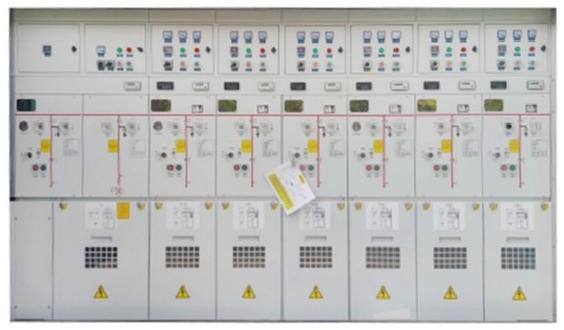
NISELA Series Environmentally Friendly Gas-Insulated Ring Main Unit
XJ DELISHIER ELECTRIC CO., LTD.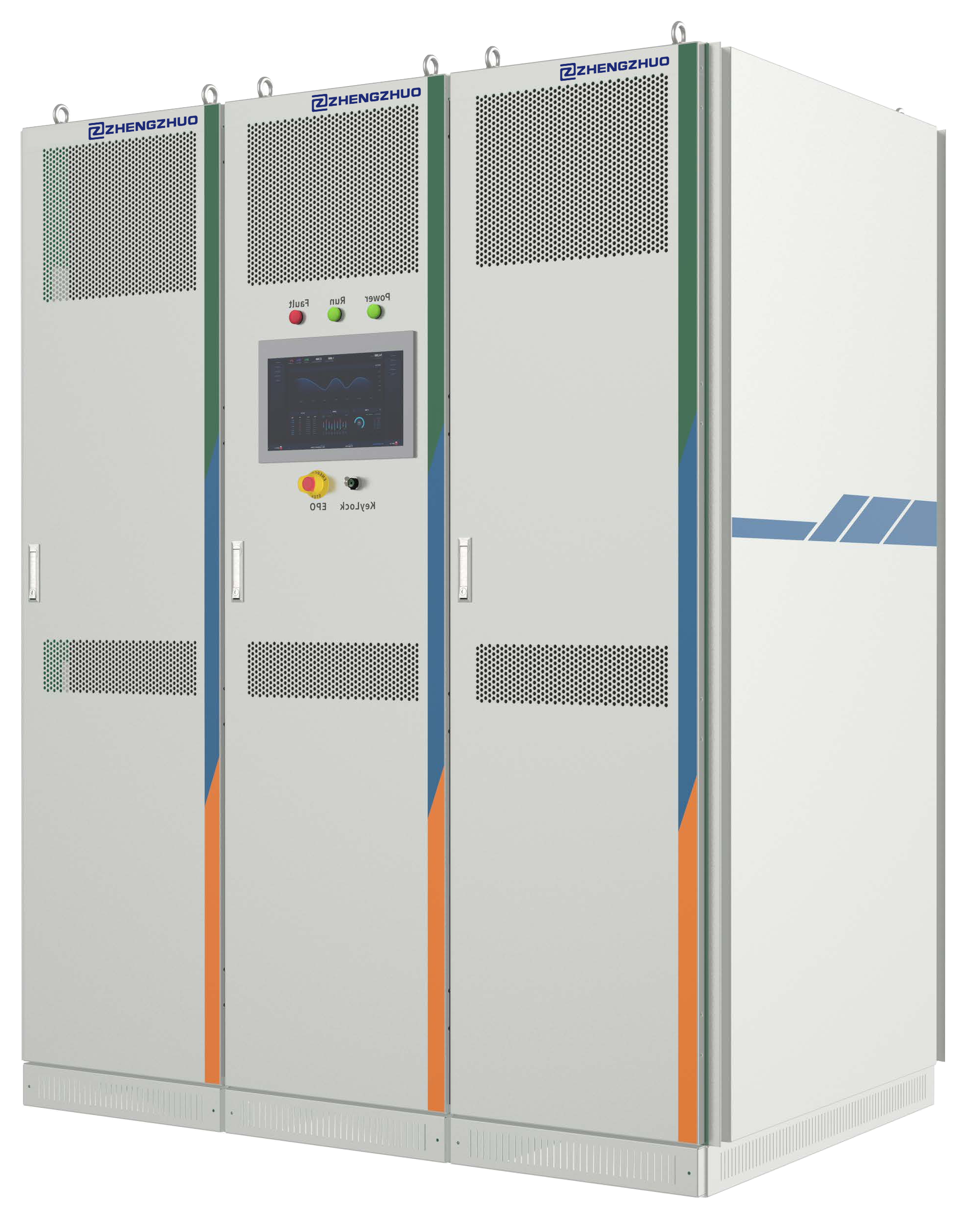
IGBT Hydrogen Production Power Supply - High Power Air Cooling
Beijing Zhengzhuo Engineering Technology Co., Ltd.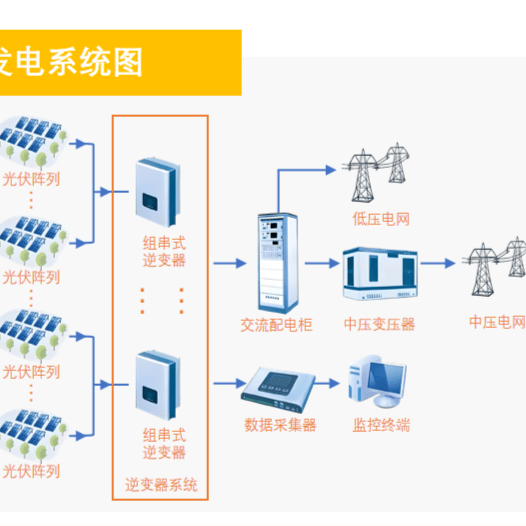
Photovoltaic and Wind Power Generation Technology
Beijing Boqi Electric Power SCI-TECH Co., Ltd.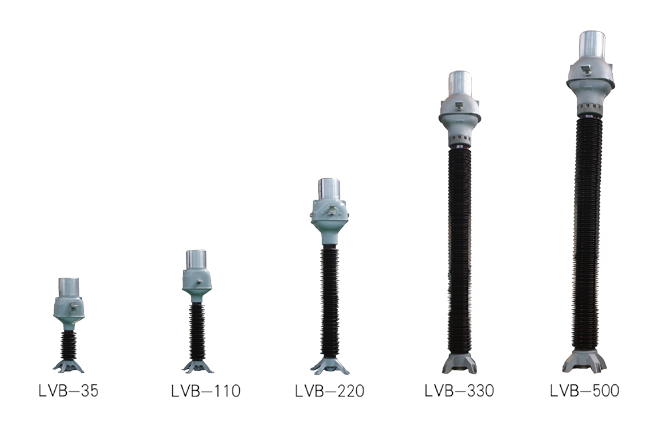
LVB Series 35-500kV Oil-immersed Inverted Current Transformer
Shandong Taikai Instrument Transformer Co., Ltd.
Overseas IEC Gateway Energy Meter - DTSD341/DSSD331-aMeter390
Wasion Group Limited Co., Ltd.
Smart Photovoltaic Prefabricated Substation
Shanghai Jinyou Jinhong Intelligent Electric Co., Ltd.
Post-type AC Pollution-resistant Disc Suspension Porcelain Insulator (Triple Umbrella Type)
Shandong High Voltage Insulator Co., Ltd.
40.5kV-1100kV Gas Insulated Metal-Enclosed Switchgear (GIS)
Henan Pinggao Electric Co., Ltd.