U.S. Exemption for Russian Oil Transit via Kazakhstan to China Highlights Strategic Value of Central Asian Energy Corridor
en.Wedoany.com Reported - The U.S. Treasury Department has extended the exemption for Kazakhstan, allowing it to continue transiting Russian oil to China, providing stable assurance for trilateral energy cooperation among China, Russia, and Kazakhstan.
Against the backdrop of constrained Middle Eastern supplies, this move strengthens the strategic position of the Central Asian land corridor and reshapes the global energy trade landscape.
Exemption Approved, Capacity Planned for Expansion
The U.S. granted exemption for Russian oil transit via Kazakhstan is valid until March 19, 2027.
Currently, Kazakhstan transits approximately 200,000 barrels per day (about 10 million tons per year) of Russian oil to China.
Kazakhstan and Russia are negotiating to increase the annual transit volume to 12.5 million tons.
This exemption prevents Russia from being forced to find alternative export routes due to damage to its Baltic Sea facilities.
Tightening Supply, Corridor's Criticality
Shipping risks in the Strait of Hormuz and escalating conflicts in the Middle East increase uncertainty in global crude oil supply.
As the world's largest oil importer, China sees enhanced security for its land-based energy corridors.
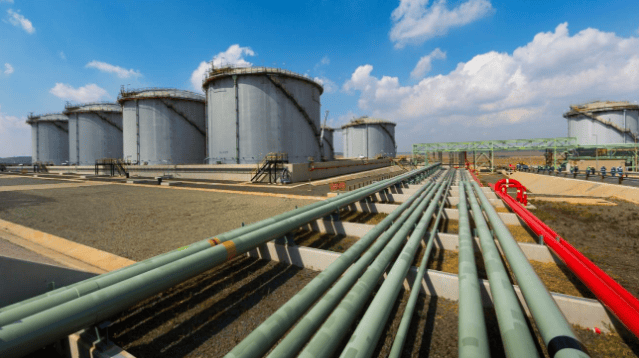
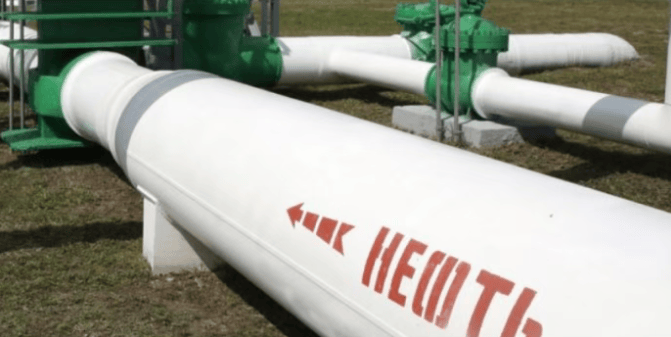
The China-Kazakhstan Crude Oil Pipeline, as a key cross-border line, shoulders the crucial task of delivering Russian oil to China.
The U.S. exemption essentially acquiesces to Russian oil entering the Chinese market via Central Asia, balancing sanctions with global supply stability.
Trilateral Win-Win, Corridor's Value Appreciates
Operated primarily by Kazakhstan's national oil transporter KazTransOil, the corridor charges a transit fee of $15 per ton, generating annual revenue of approximately $150 million.
Russia secures stable exports to China via this corridor, avoiding maritime shipping risks.
China achieves diversification of crude oil imports, ensuring energy security.
This corridor has become a strategic link for mutual benefit among the three parties, solidifying Central Asia's hub status in global energy trade.
This article is compiled by Wedoany. All AI citations must indicate the source as "Wedoany". If there is any infringement or other issues, please notify us promptly, and we will modify or delete it accordingly. Email: news@wedoany.com
Related Products
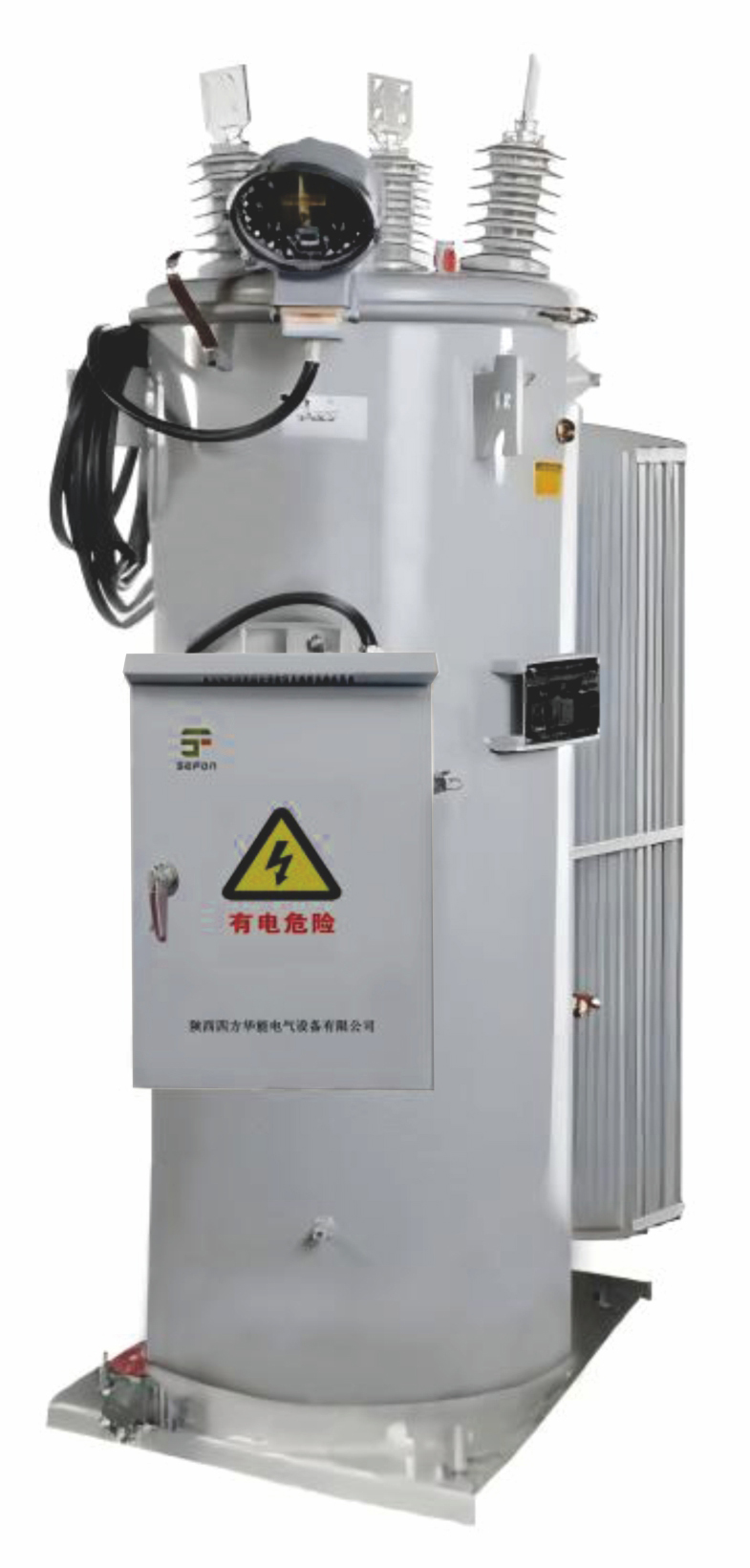

Single-Phase Automatic Voltage Regulator(AVR)
Shaanxi Sefon Electrical Equipment Co.,Ltd.
Hydraulic Turbine Genset
Dongfang Electric Corporation Dongfang Electric Machinery Co., Ltd.
80kW Megawatt Supercharging Module TH80F10030C9
Shijiazhuang Tonhe Electronics Technologies Co., Ltd.
Hydrogen production and hydrogenation charging refueling gas integrated energy station
Shenzhen Kohodo Hydrogen Energy Co., Ltd.
PCS-901 Series Ultra (Extra) High-voltage Transmission Line Complete Protection Device
Nanjing NR Electric Co., Ltd.
TYC Series High-Efficiency Permanent Magnet Synchronous Motor
Xiangdian Smart Energy Technology Co., Ltd.
Industrial and Commercial Point-Type Gas Detector
Jinan Benan Technology Development Co., Ltd.
CAP1400 main feedwater flow nozzle flowmeter.
Jiangsu Hongda Instrument Technology Co., LTD.
Photovoltaic and Wind Power Generation Technology
Beijing Boqi Electric Power SCI-TECH Co., Ltd.