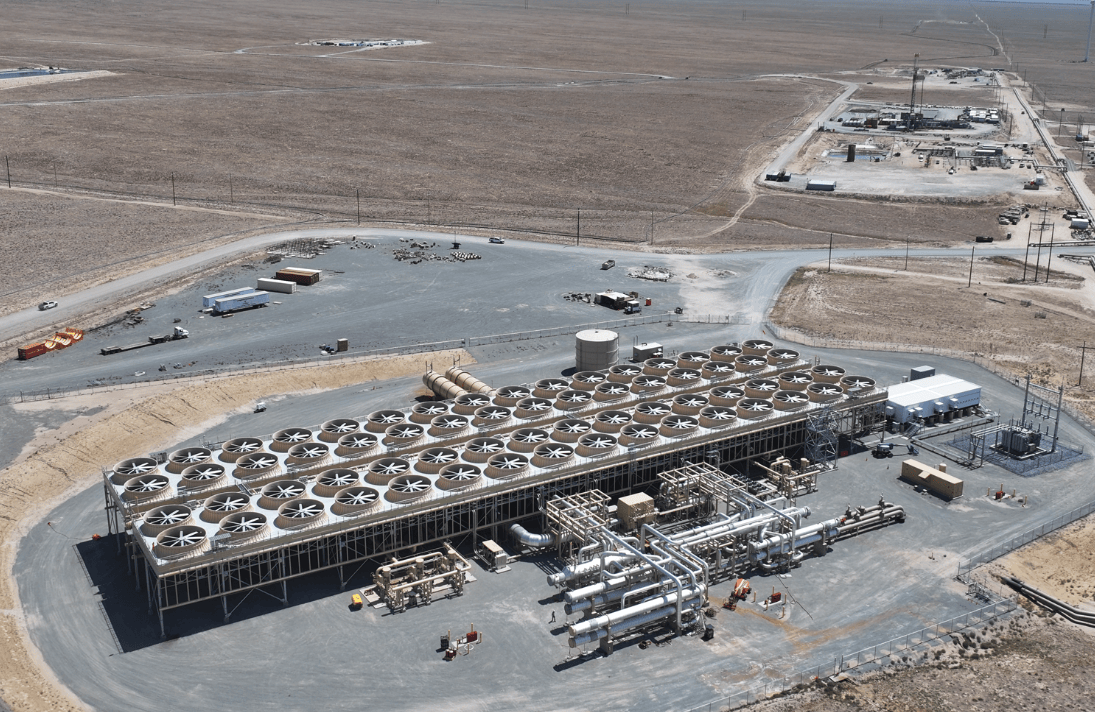
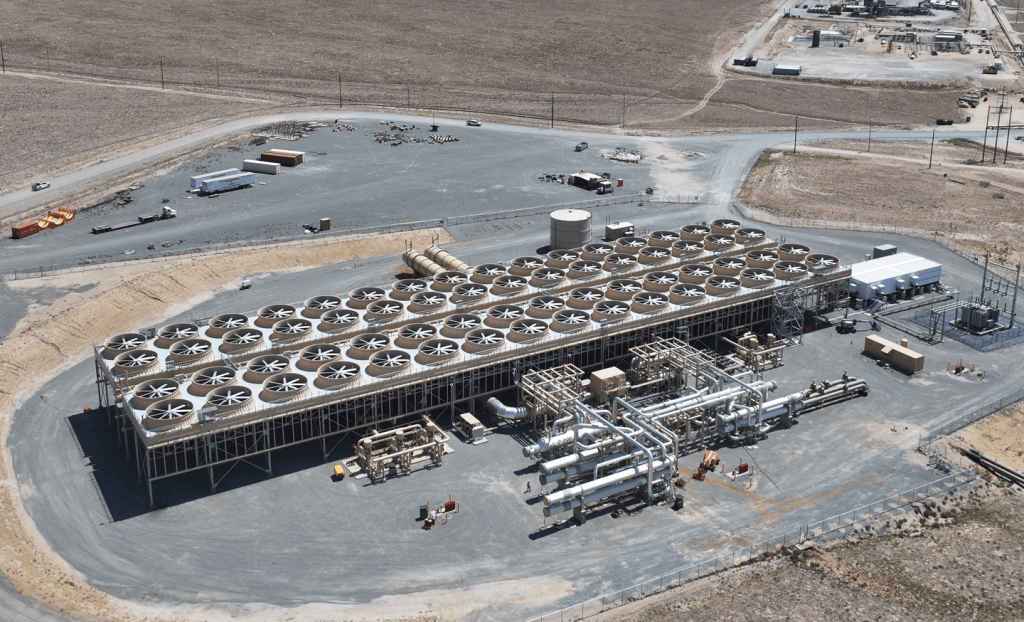
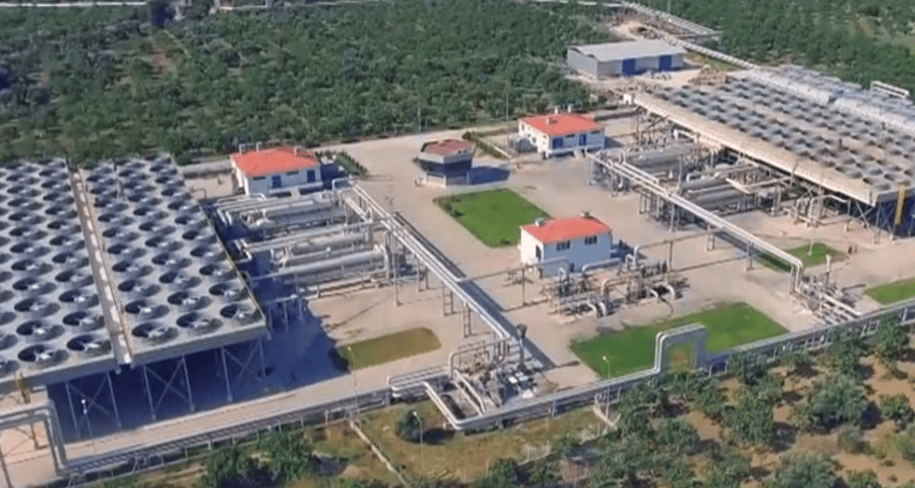
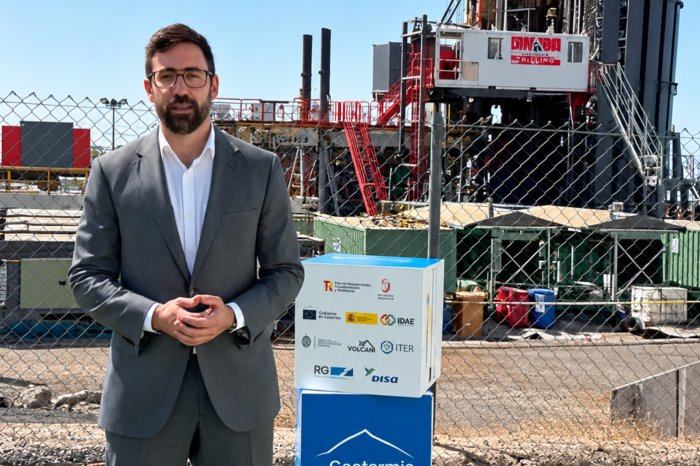
Turkey Releases Geothermal Power Generation Standard: Utilization Rate Reaches 91.3%
en.Wedoany.com Reported - On April 2, 2026, the Energy Market Regulatory Authority (EPDK) of Turkey updated the calculation method for renewable energy generation, officially setting the capacity factor for geothermal power at 91.3%. This standard far exceeds the 45.7% for wind power and 28.5% for solar PV, confirming geothermal energy's core role as a baseload power source.
This EPDK adjustment aims to align energy planning more closely with reality and promote industry standardization. The new regulation, effective based on a board resolution, will apply differentiated standards based on energy type to determine the annual maximum generation capacity during the pre-licensing and formal generation licensing stages.
Specific standards show geothermal power operates for about 8,000 hours annually with a 91.3% capacity factor. In comparison, wind power operates for 4,000 hours, solar PV for 2,500 hours, and biomass for 7,500 hours with an 85.6% capacity factor. Hydropower stations will use values determined by the State Hydraulic Works.
For hybrid generation facilities and energy storage projects, the annual maximum generation capacity will be determined based on the capacity factor of the primary energy source. Specific calculation methods apply if a solar project's energy storage capacity exceeds its primary energy installed capacity.
EPDK expects the new regulations to improve the accuracy of generation capacity accounting, promote standardization in licensing approvals, and make power system planning more scientific. Geothermal energy's high capacity factor makes it more prominent among renewables, enhancing the predictability of industry investment.
This article is compiled by Wedoany. All AI citations must indicate the source as "Wedoany". If there is any infringement or other issues, please notify us promptly, and we will modify or delete it accordingly. Email: news@wedoany.com
Related Products
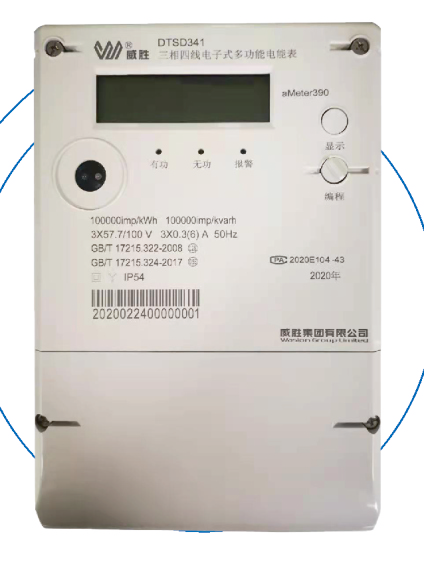

Overseas IEC Gateway Energy Meter - DTSD341/DSSD331-aMeter390
Wasion Group Limited Co., Ltd.
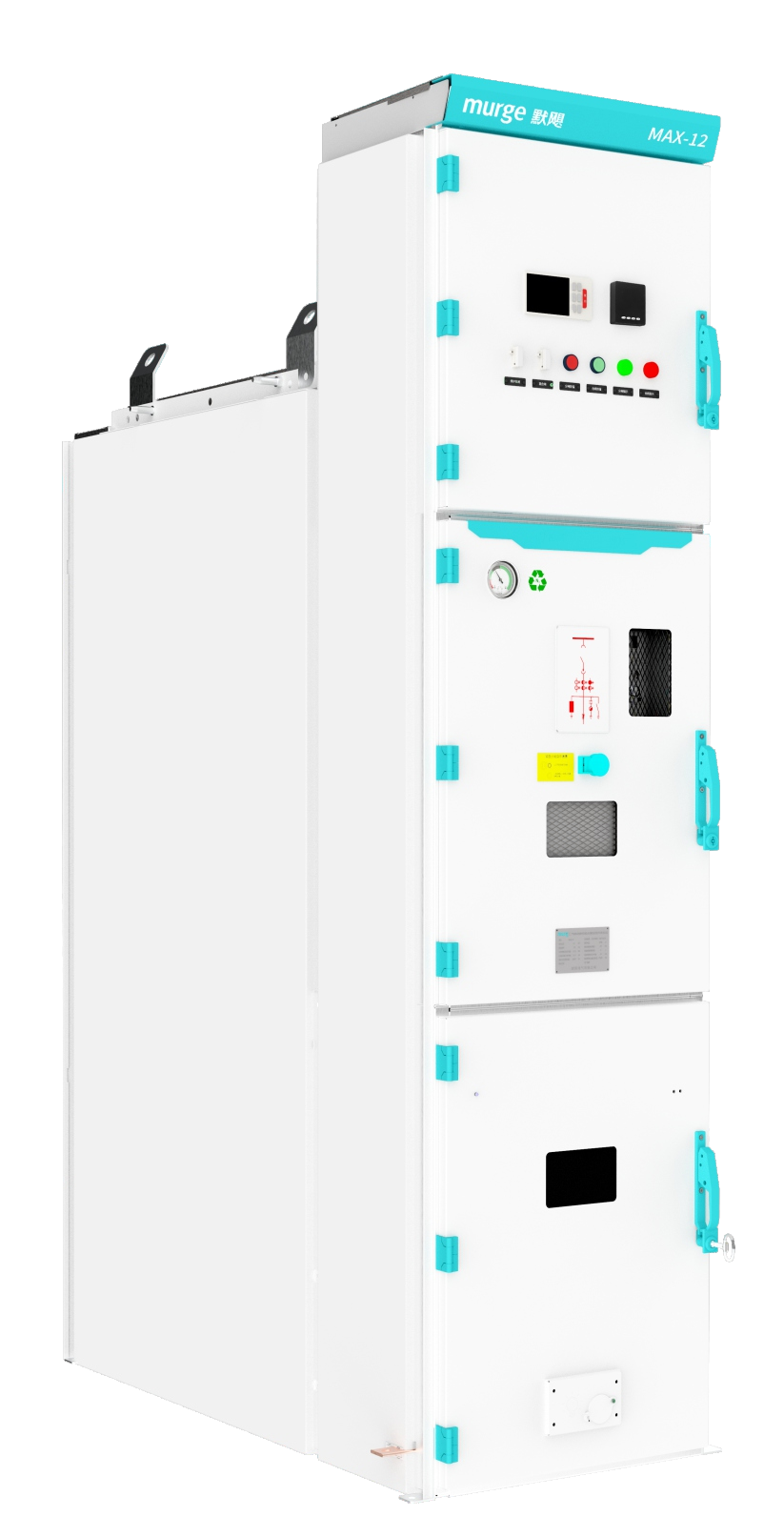
MAX-12 series Environmental Protection/SF6 gas insulated switchgear (C-GIS)
Murge Electric Co.,Ltd.
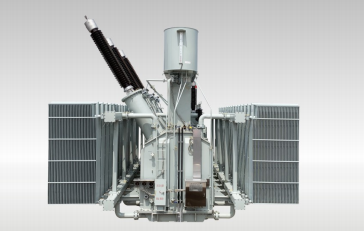
220kV and Below Voltage Level Energy-saving Oil-immersed Power Transformers
FuZhou TianYu Electric Co., Ltd.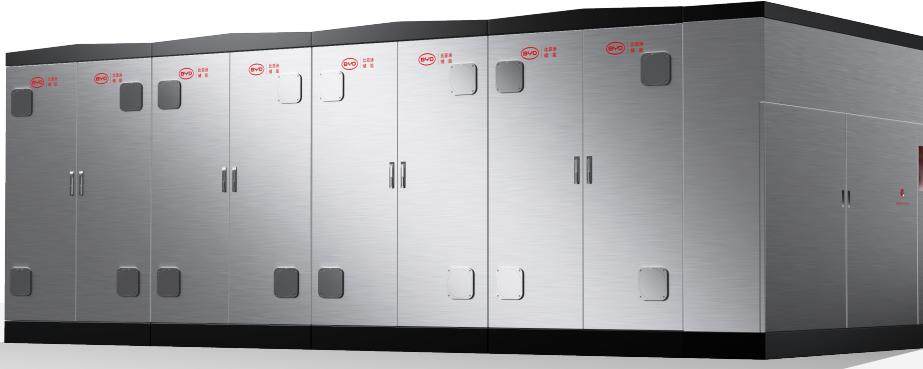
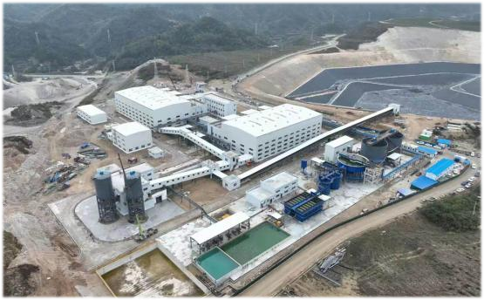
Yingping Mining Section Open-pit Tailings Backfill Treatment of Goaf Ecological Restoration EPC Project
China Bluestar Lehigh Engineering Corporation