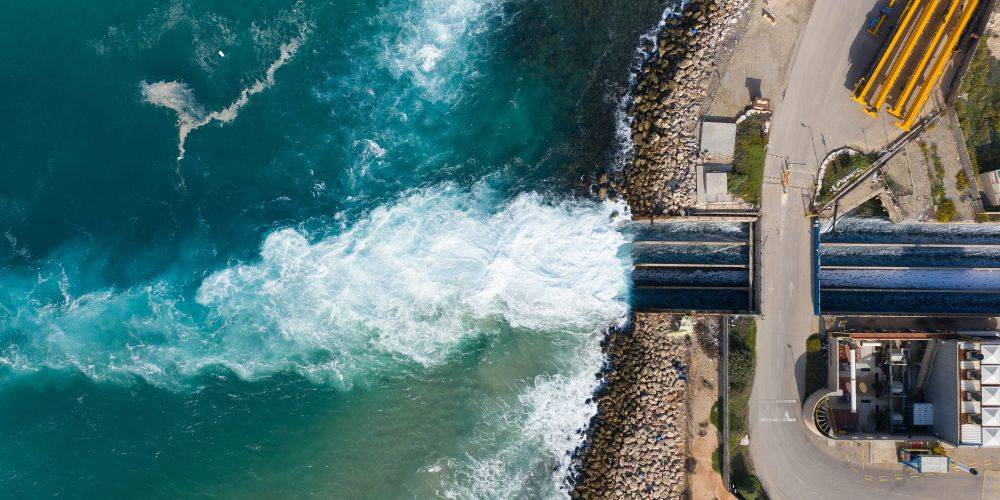
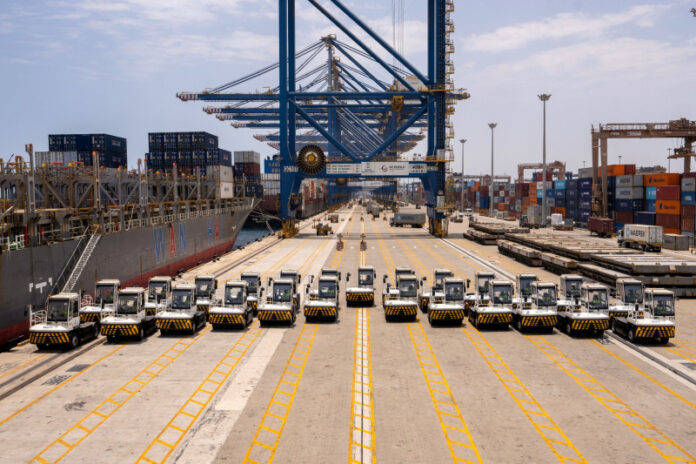
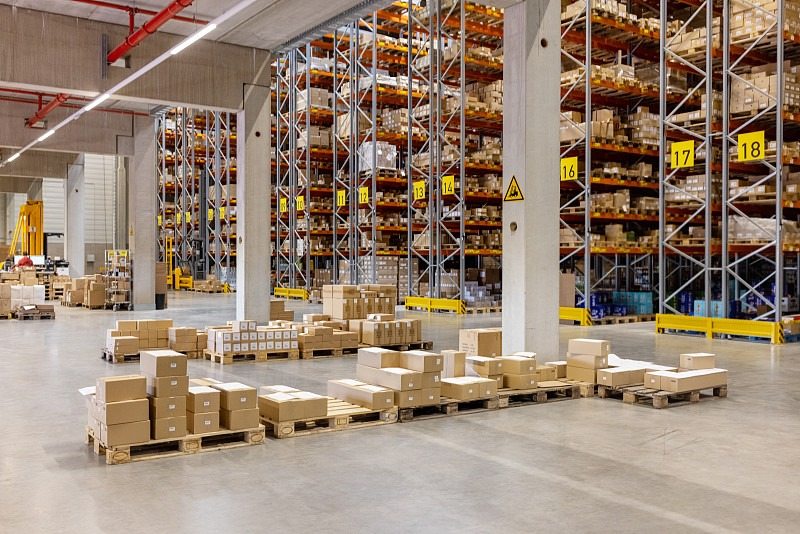
en.Wedoany.com Reported - Dubai Municipality has completed the first phase of the sewage and stormwater drainage network in the Al Quoz Creative District, at a cost of AED 250 million (approximately USD 68 million). The project covers 155 hectares of land and 123 plots, integrating the previously infrastructure-deficient industrial area into the city's modern drainage system. The first phase involved laying 15 kilometers of sewage pipelines and 14 kilometers of stormwater pipelines.
This project is a key milestone in the overall AED 30 billion sewage development plan. Through this initiative, Dubai Municipality has established the region's largest unified stormwater collection system, aiming to increase the city's drainage capacity by 700% over the next 100 years. Upon full completion, the project will serve an area of 1,600 hectares, with a total estimated cost of AED 500 million.
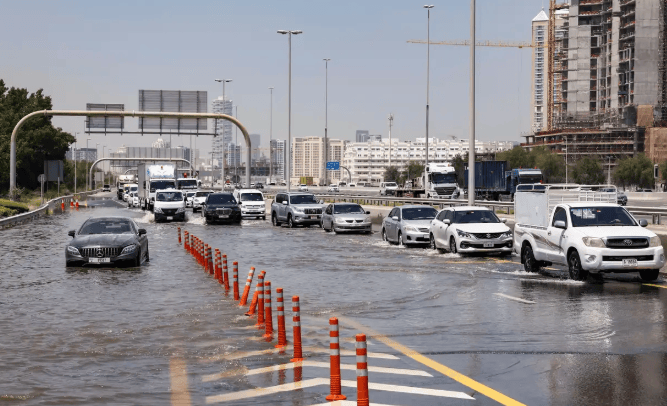
Dubai has recently significantly increased its contract awards for flood prevention infrastructure. In April 2025, the government approved funding of AED 1.4 billion for the first-phase projects; in February 2026, it awarded a second-phase contract worth AED 2.5 billion for five drainage network expansion projects. According to public records, following the extreme floods in April 2024, Hannover Re, the world's third-largest reinsurer, recorded losses of EUR 138 million (approximately USD 150 million).
Marwan bin Ghalita, Director General of Dubai Municipality, stated that the Al Quoz project will enhance the city's operational preparedness for future extreme climate conditions. Meanwhile, neighboring Abu Dhabi also invited companies to bid on flood prevention and mitigation projects in February 2025, indicating that cities across the UAE are upgrading the resilience of their urban infrastructure.
Such large-scale capital expenditures reflect Middle Eastern cities' direct intervention in addressing climate risks. By constructing high-specification drainage networks, Dubai is seeking to mitigate the risk of business disruptions caused by extreme rainfall. These long-term, heavy infrastructure investments not only optimize the business environment in the Al Quoz industrial area but also provide a systematic engineering model for arid regions to cope with sudden floods.
This article is compiled by Wedoany. All AI citations must indicate the source as "Wedoany". If there is any infringement or other issues, please notify us promptly, and we will modify or delete it accordingly. Email: news@wedoany.com