en.Wedoany.com Reported - Joint venture partners Urban Splash and Places for People have recently appointed GMI Construction Group to lead the construction of the fourth phase of the landmark Park Hill urban regeneration project in Sheffield. This follows the joint venture team's £6.4 million deal with Homes England. Site work commenced this month, with GMI set to build 125 new apartments, alongside communal areas and electric vehicle charging facilities.
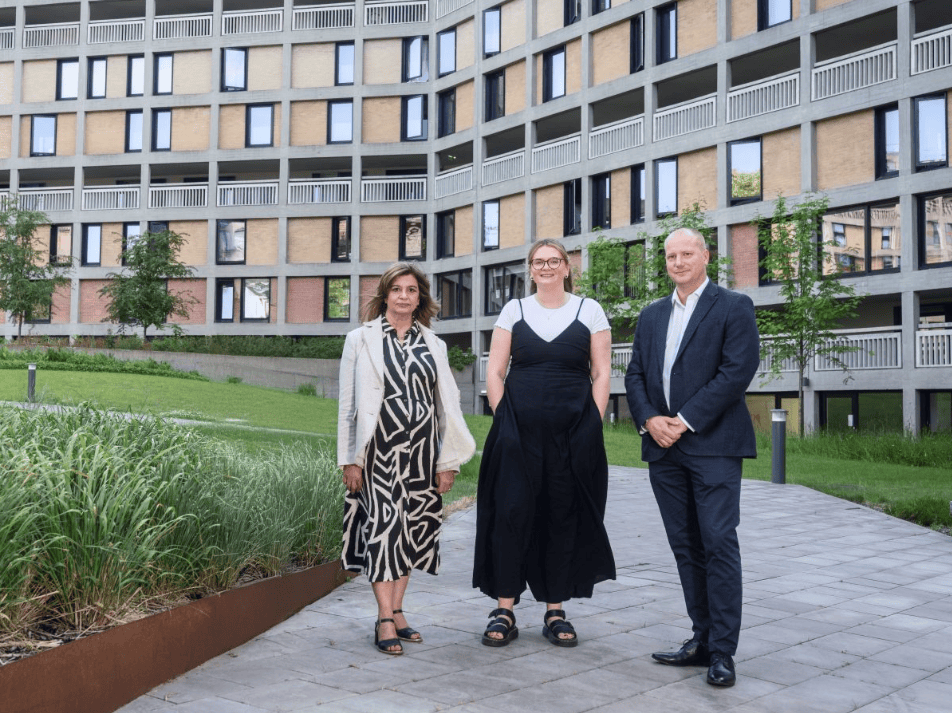
GMI to Lead Construction of 125 New Apartments
GMI, a Yorkshire-based construction company, will lead the construction of the 125 new apartments in this phase. The project includes the enhancement of communal areas, installation of electric vehicle charging points, car club facilities, and secure bicycle storage. According to the partnership plan, the non-profit housing organization Great Places will provide 24% affordable housing in this phase to enhance the social inclusivity of the urban regeneration project.
455 Homes Delivered Over Decades
The Park Hill project represents Sheffield's long-term commitment to urban regeneration. To date, the joint venture partners have completed a total of 455 residential units and 356 student accommodation units on the site. In addition to living spaces, the project has delivered over 50,000 square feet of commercial workspace, along with extensive landscaping, attracting several independent businesses including South Street Kitchen.
Planning Permission Granted for Fifth Phase to Expand Commercial Space
The next steps for the project are clear. Planning permission has been secured for the fifth phase, which is expected to deliver 105 homes, including one- to four-bedroom apartments and townhouses. This phase will also add 2,000 square feet of commercial space to supplement the needs of the area's growing tenant community.
By integrating investment from multiple sources and local construction expertise, the Park Hill project combines historic building preservation with modern public facilities. This model not only alleviates regional housing pressure but also enhances the community function and economic vitality of the landmark building in the modern city through differentiated commercial space allocation.
This article is compiled by Wedoany. All AI citations must indicate the source as "Wedoany". If there is any infringement or other issues, please notify us promptly, and we will modify or delete it accordingly. Email: news@wedoany.com