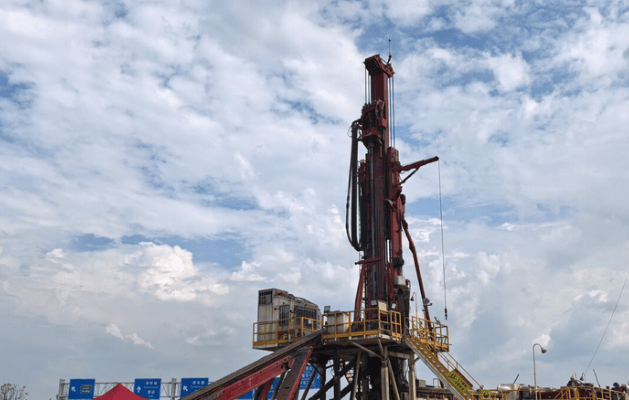
Germany's Berlin BEW Plans 250 MW Geothermal Capacity by 2045
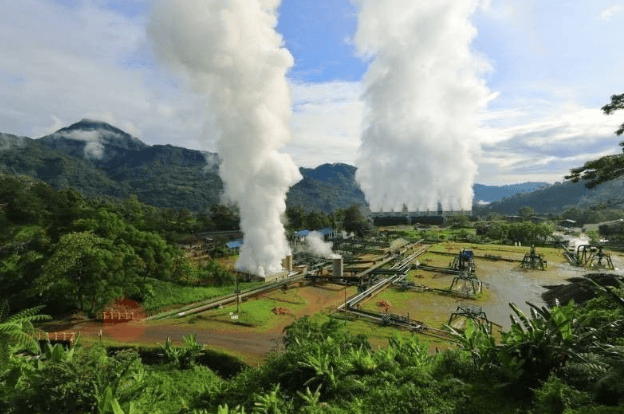
en.Wedoany.com Reported - Germany's Berlin district heating company BEW Berliner Energie und Wärme has set planning targets for geothermal energy in its long-term heating decarbonization strategy, with a roadmap indicating that geothermal installed capacity could reach 250 megawatts thermal (MWth) by 2045.
This plan is part of BEW's updated decarbonization roadmap, which aims to transition Germany's largest district heating network away from coal and fossil fuels. Although geothermal energy remains dependent on exploration results, it has become one of the utility's most important local renewable heat source options.
BEW serves approximately 700,000 households as well as thousands of commercial and public buildings, and plans to invest around 3.5 billion euros by 2030 to transform Berlin's heating system.
In this roadmap, geothermal energy, alongside key local heat sources such as wastewater heat, river water heat, sewage treatment plant heat, and data center waste heat, is identified as a core local heat source supporting Berlin's transition to climate-neutral district heating. BEW aims to increase the share of renewable and unavoidable heat sources to at least 40% by 2030, 50% by 2035, and 80% by 2040. Geothermal energy is expected to contribute to all three milestones as part of a diversified heat source mix that also includes large heat pumps, thermal storage, power-to-heat facilities, and biomass. The utility considers geothermal energy particularly attractive because, once developed, it provides reliable baseload heat with low operating costs.
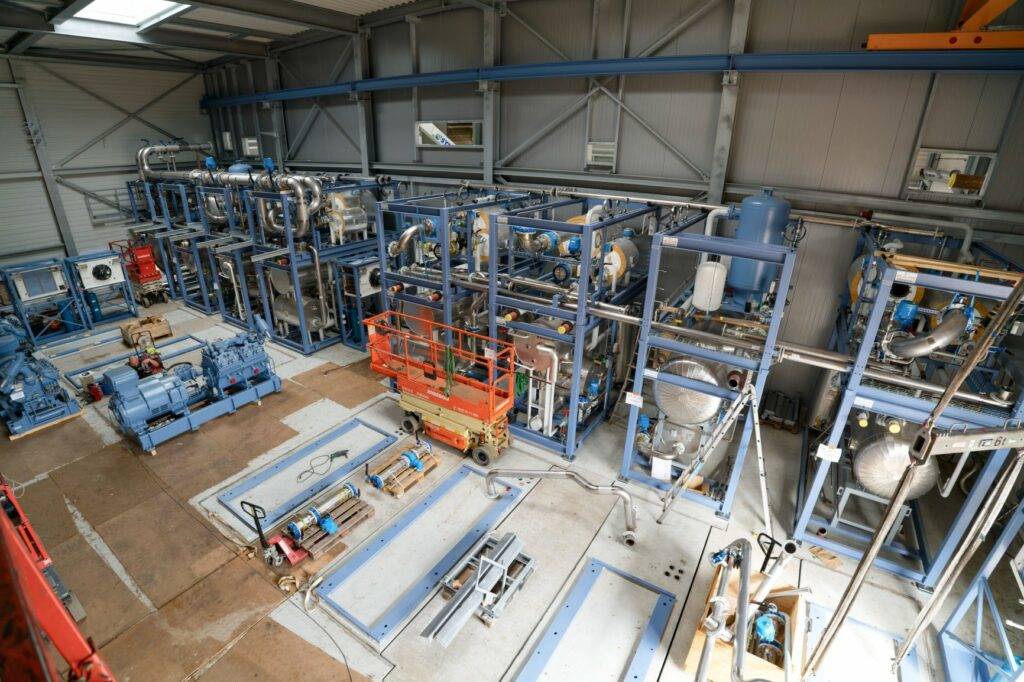
Unlike many geothermal projects elsewhere in Germany targeting deeper, hotter reservoirs, BEW's current assessment focuses on geological formations at depths of approximately 500 to 2,000 meters. The utility expects temperatures of 30°C to 70°C and plans to combine geothermal production with large heat pumps to raise temperatures to district heating requirements. Direct hydrothermal utilization from depths of 2 to 3 kilometers is currently considered unlikely in Berlin. Based on current assumptions, a single geothermal development project can provide up to about 20 MWth of heat capacity, so achieving larger-scale deployment would require multiple projects distributed across the city.
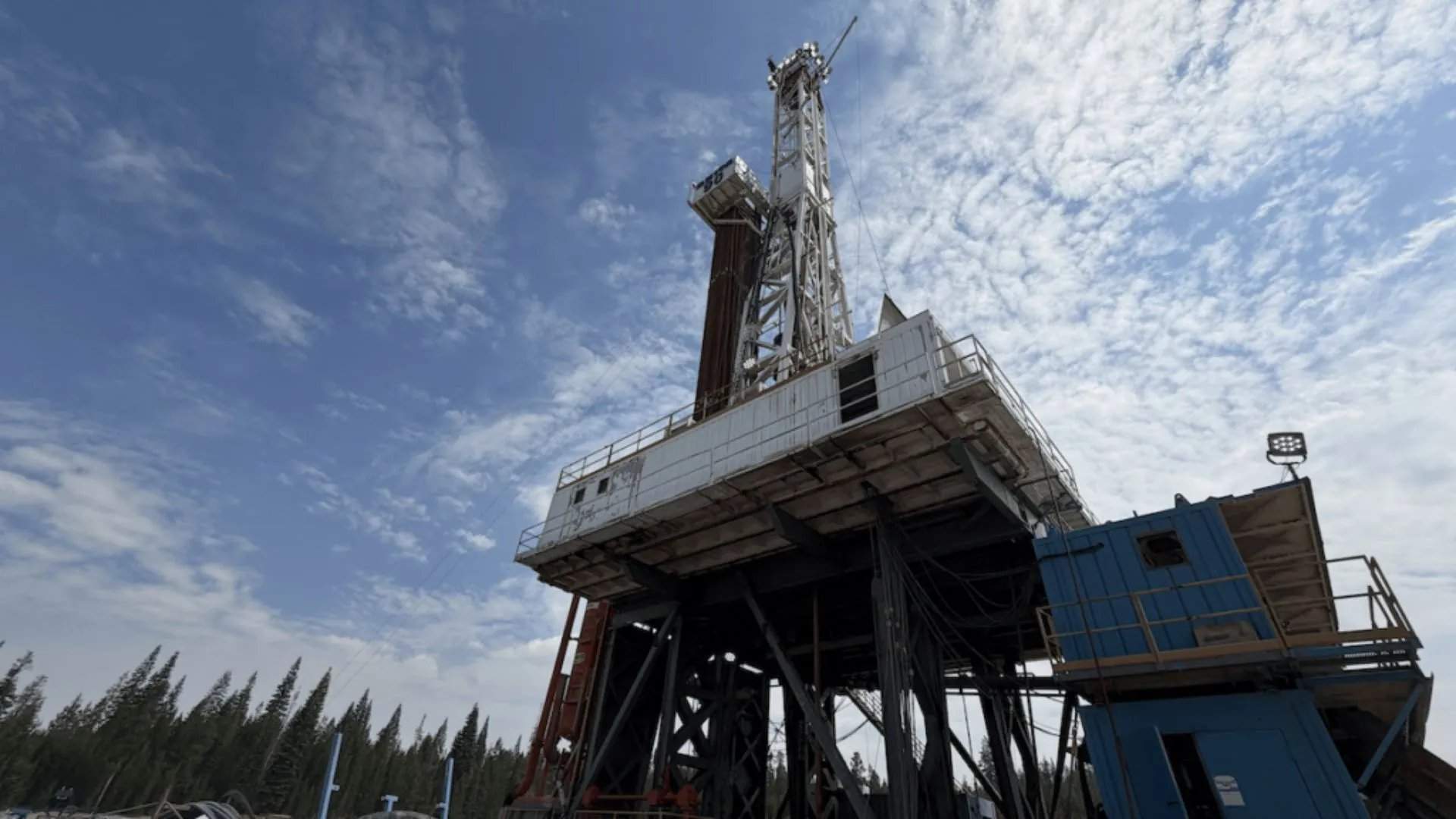
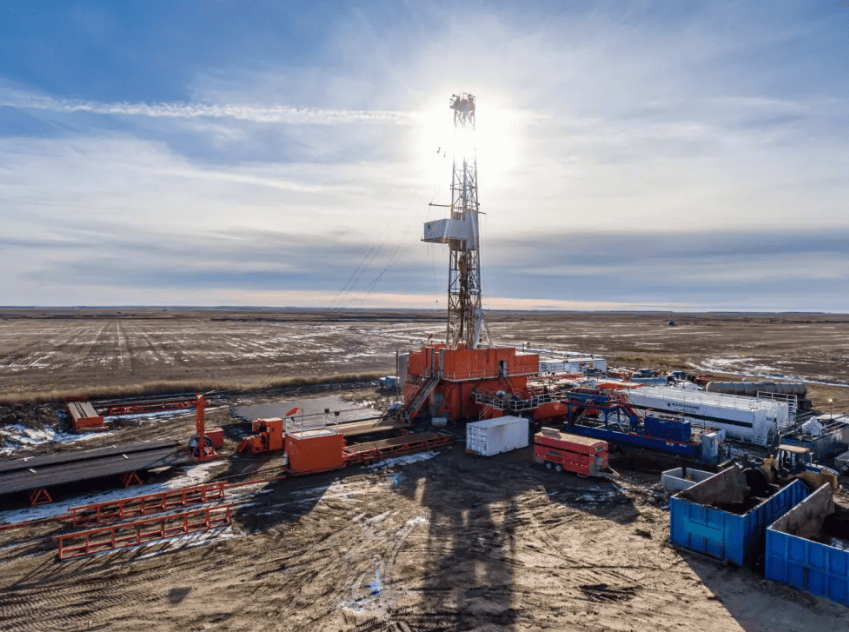
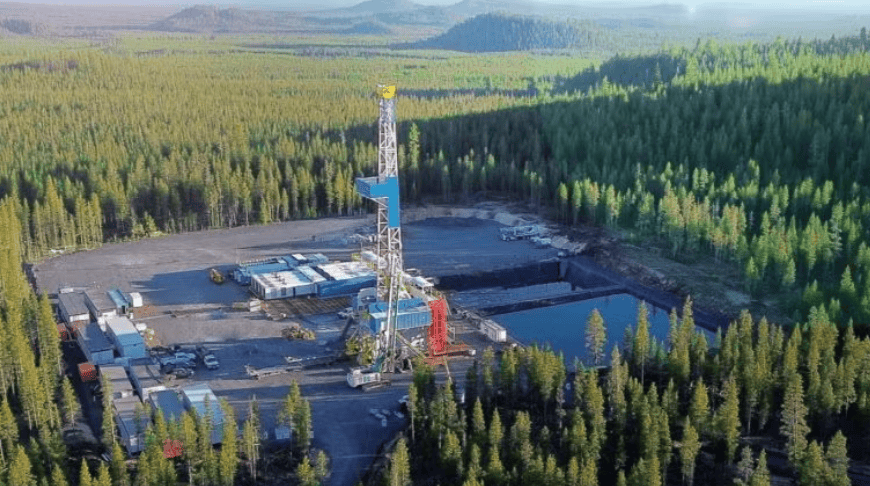
The coming years will focus on reducing geological uncertainties. The state of Berlin is planning a city-wide 3D seismic survey, with preliminary results expected around mid-2028. Meanwhile, BEW plans exploratory drilling at four sites, with initial indications of temperature and reservoir productivity expected from 2027 onward. This exploration program aims to determine the commercial viability of geothermal resources and reduce investment risks before making larger-scale deployment decisions.
BEW's roadmap estimates geothermal installed capacity of approximately 70 MWth by 2035, sufficient to provide about 5% of the district heating network's supply. Beyond this, the utility sees greater potential. According to current studies and assuming favorable exploration results, geothermal deployment could grow to around 250 MWth by 2045, a scenario that would require approximately 15 geothermal sites distributed across Berlin. Even before then, BEW estimates that over 100 MWth of geothermal capacity could be developed if suitable sites are secured beyond existing power plant locations.
The roadmap identifies several key success conditions, including: sufficient reservoir productivity, suitable drilling sites, grid capacity for large heat pumps, permitting efficiency, and availability of drilling rigs and specialized personnel. Site availability is expected to be one of the biggest challenges. BEW notes that geothermal projects require adequate space for drilling operations, proximity to district heating infrastructure, and appropriate distance from residential areas. The utility plans to work closely with Berlin's districts and public landowners to identify suitable locations. Although the ultimate scale of geothermal development will depend on the results of the ongoing exploration program, the roadmap indicates that geothermal energy has transitioned from a future option to a planned component of Berlin's climate-neutral district heating strategy.
This article is compiled by Wedoany. All AI citations must indicate the source as "Wedoany". If there is any infringement or other issues, please notify us promptly, and we will modify or delete it accordingly. Email: news@wedoany.com
Related Products


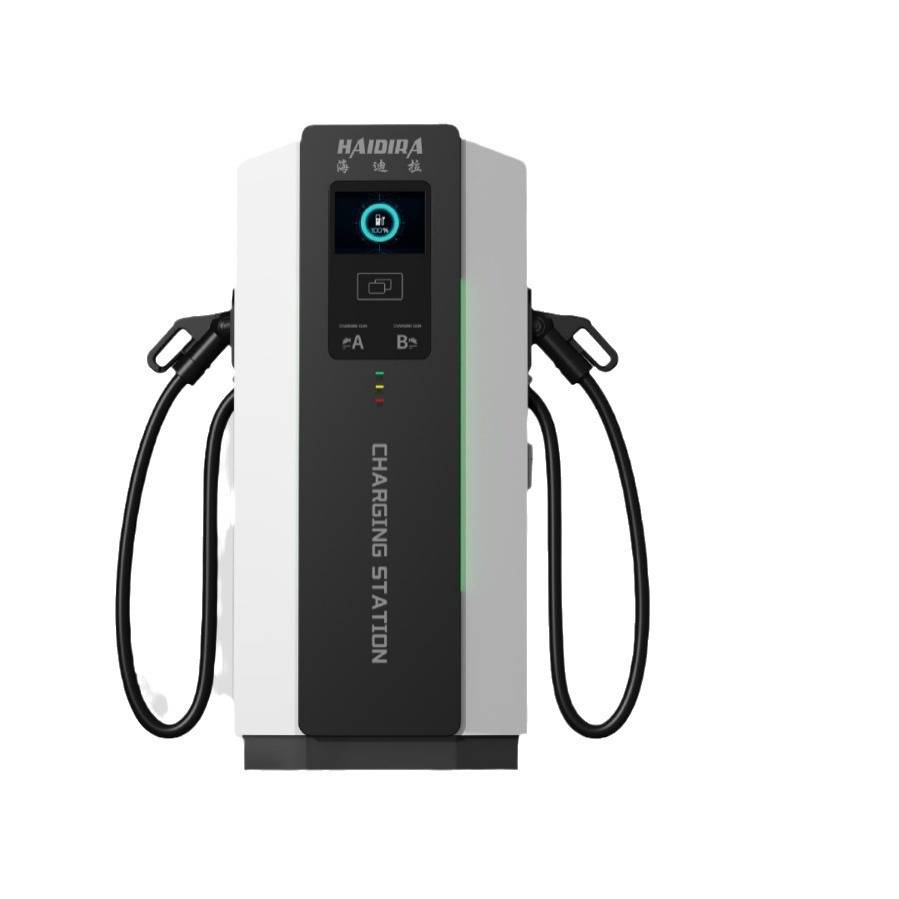
Manufacturer Direct Sales Tesla New Energy Electric Vehicle Universal DC 180kW Dual-gun Charging Pile Commercial Fast Charger
Anhui Haidira Electric Technology Co., Ltd.
Mineral-insulated Compact Busway (Fire-resistant Busduct)
Zhuhai Guangle Electric Busway Co., Ltd.
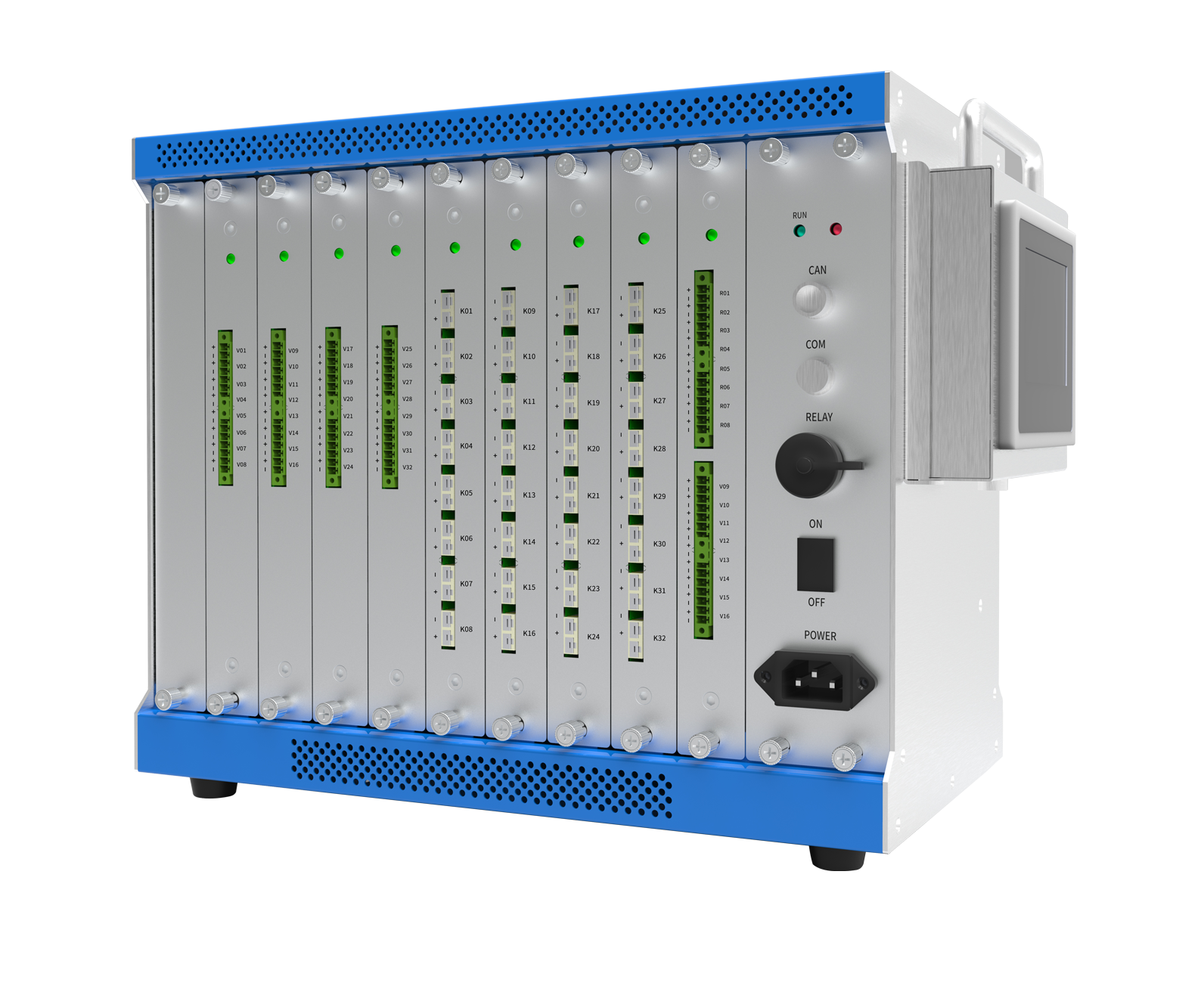
Optional Accessory - Auxiliary Sampling Module
Beijing Soaring Electric Technology Co., Ltd.

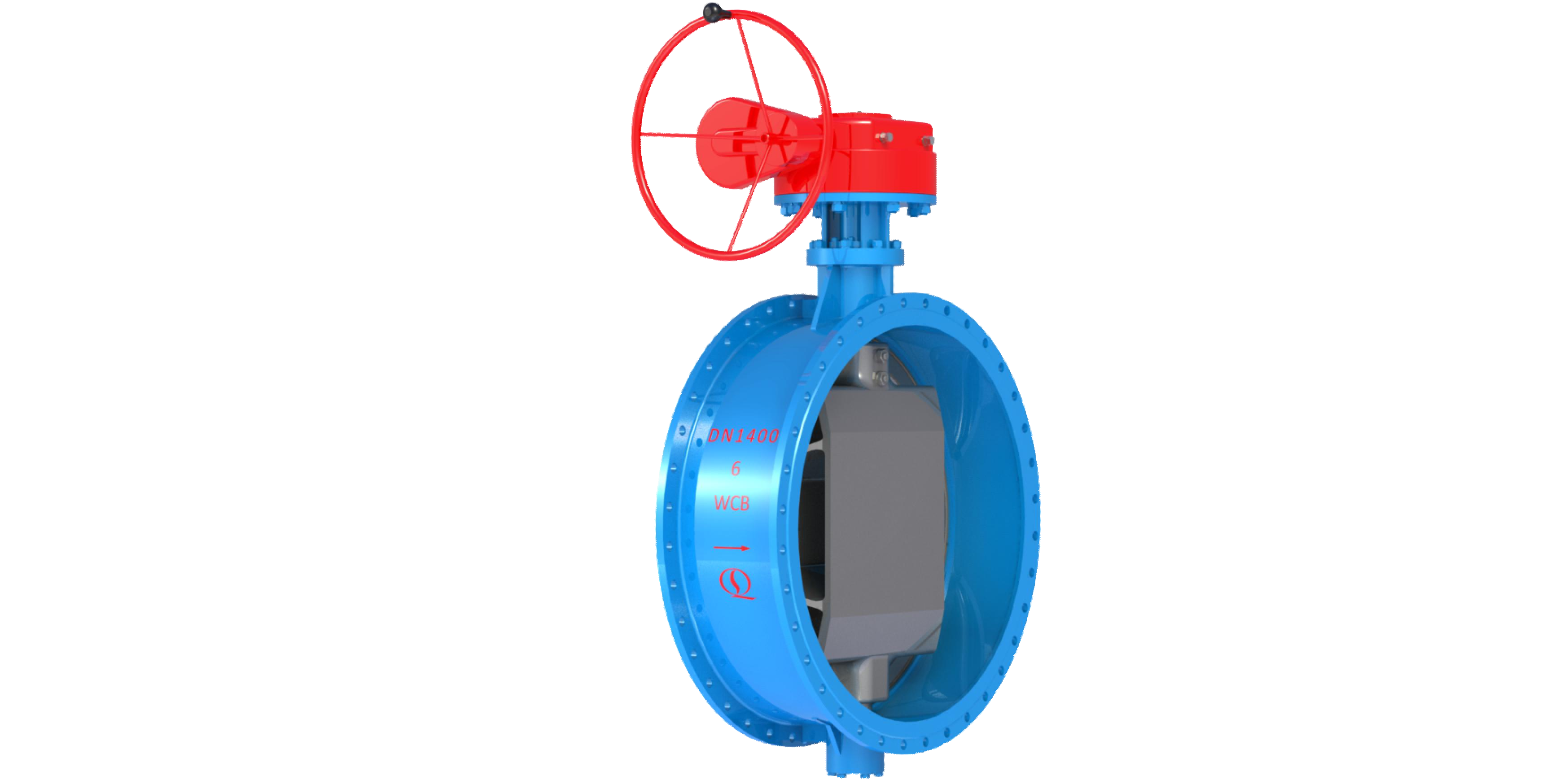
Bidirectional Metal Hard Sealed Seawater Butterfly Valve
Henan Quanshun Flow Control Science & Technology Co., Ltd.