Phase 1 of Eavor's Closed-Loop Geothermal System in Germany Generates Only 0.5-2 MW
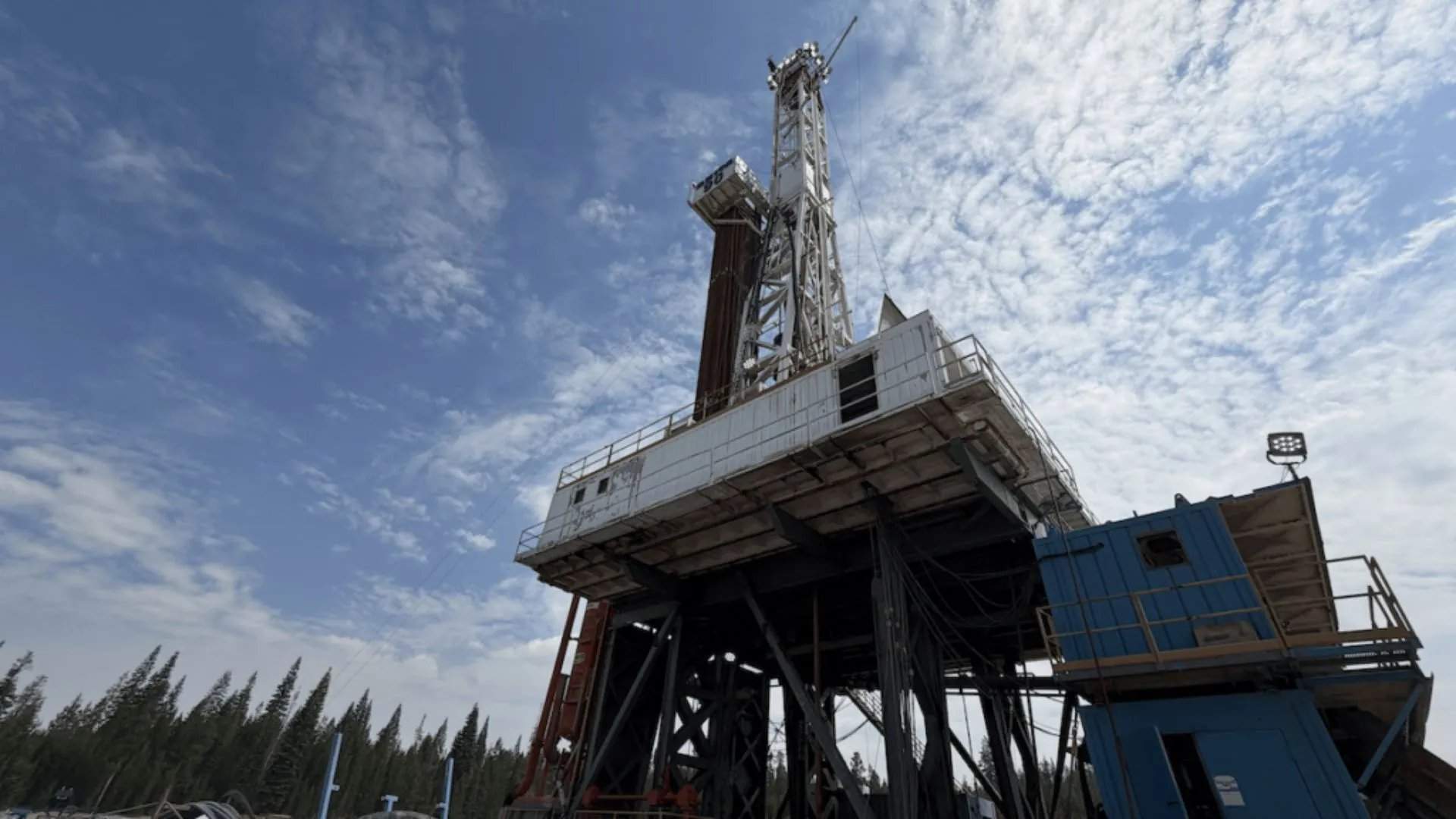
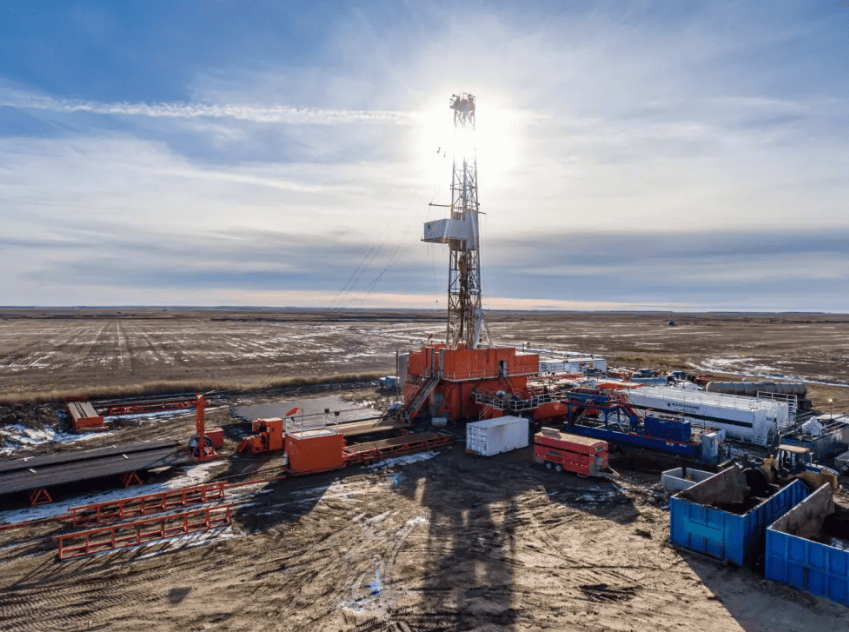
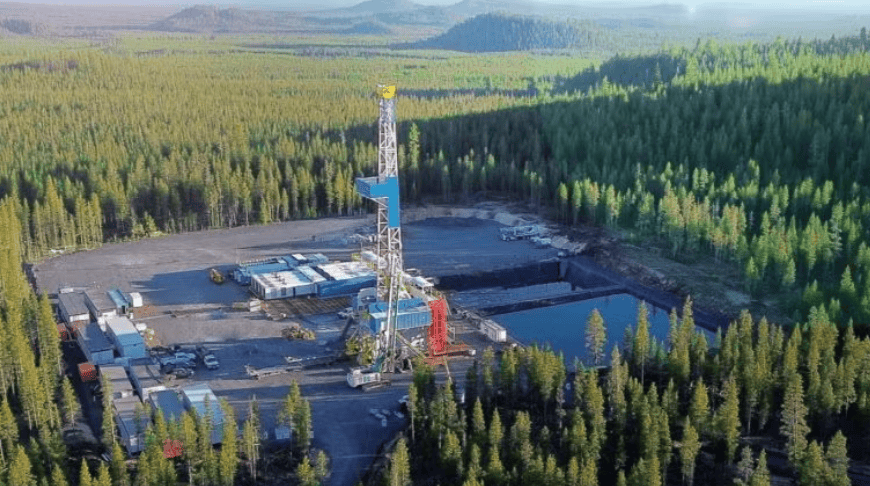
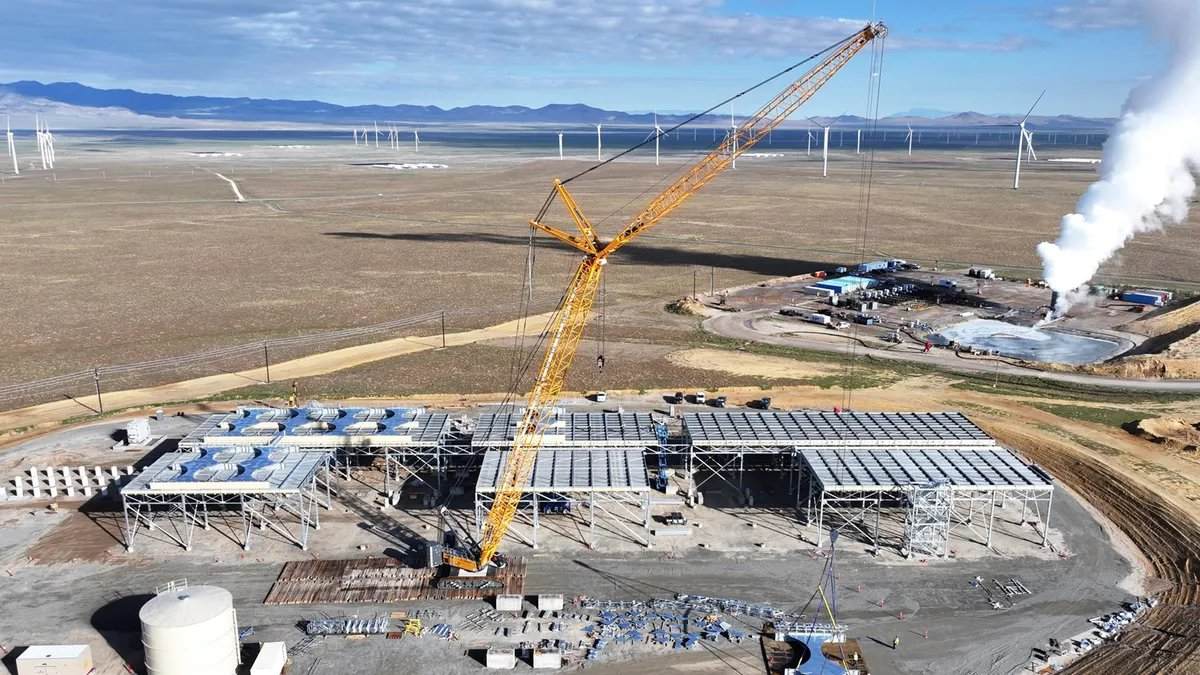
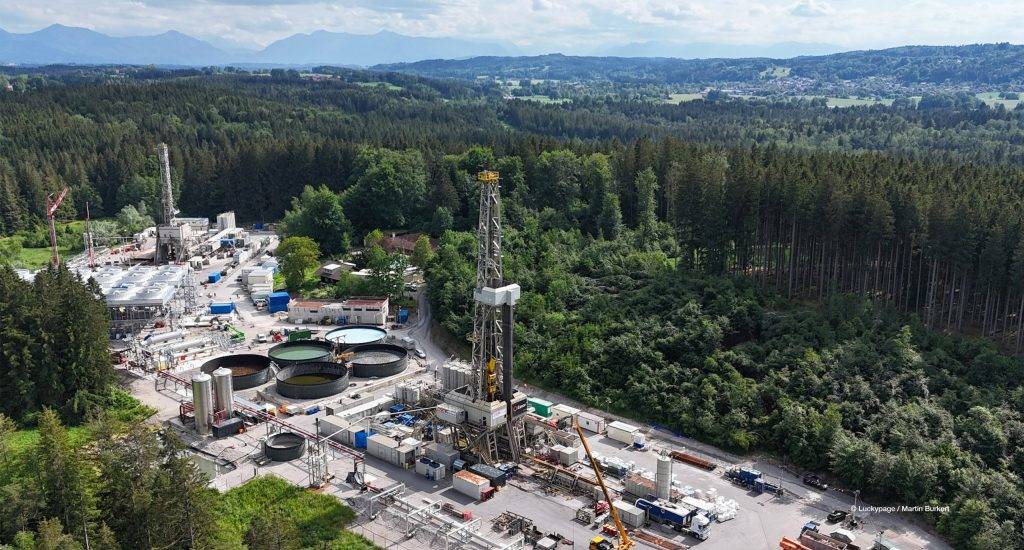
en.Wedoany.com Reported - Eavor Technologies' first large-scale closed-loop geothermal system, Phase 1 of the project in Geretsried, Bavaria, Germany, has an actual power output of only 0.5 to 2.0 megawatts (gross), far below the original design targets, and has delivered virtually no electricity to the grid. The project's first Eavor-Loop originally planned to drill 12 pairs of horizontal lateral wells, but only 6 pairs were completed, and only some of these laterals contributed to flow as expected. These developments have sparked widespread industry discussion about the company's future and the viability of closed-loop geothermal technology.
In response to the skepticism, Eavor insists that the difficulties encountered at the Geretsried project are technical execution challenges, not a failure of the system's core physical principles. In its latest technical update, the company stated that the key physical mechanisms of its closed-loop geothermal concept have been validated, and the performance of the operating loop in terms of heat extraction and circulation falls within the parameters of the design model. Eavor's President and CEO, Mark Fitzgerald, said the company has not withdrawn from the project and has learned lessons from Phase 1, planning to gradually expand into the heating and power markets where closed-loop geothermal technology has unique advantages through improved execution and seeking strategic partners.
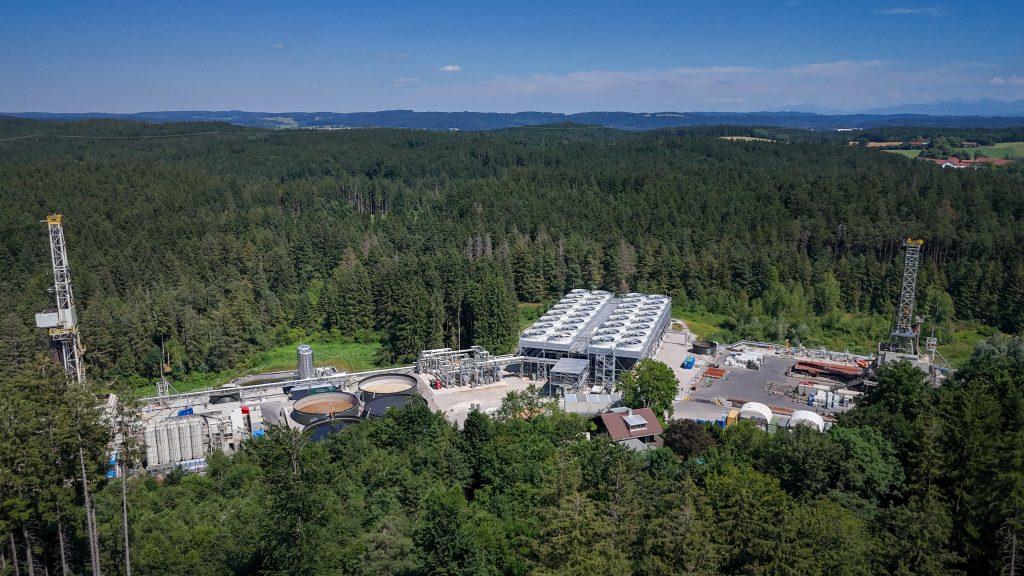
Fitzgerald stated that the primary purpose of the Geretsried project is technology demonstration, proving that the Eavor-Loop concept can operate as designed—circulating fluid through a sealed underground heat exchanger to extract geothermal energy without relying on naturally permeable reservoirs or hydraulic fracturing. The challenges are concentrated in drilling execution, particularly poor cementing quality in vertical wells, which led to cuttings and debris contaminating the horizontal laterals, causing a series of drilling complications. The company believes that by modifying cement formulations, drilling fluid systems, and completion procedures, these technical issues can largely be avoided in future projects.
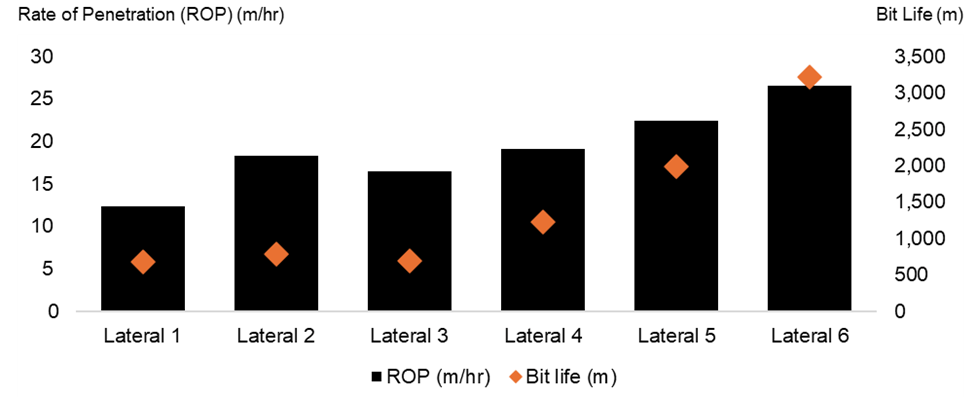
Eavor provided a transparent assessment of the challenges in its technical update. The company noted significant improvements in drilling performance from the first horizontal lateral to the sixth, with drilling speed roughly doubling and footage per bit run increasing by three to four times. Fitzgerald compared these advances to the learning curve of unconventional resource development that transformed the oil and gas industry over the past two decades.
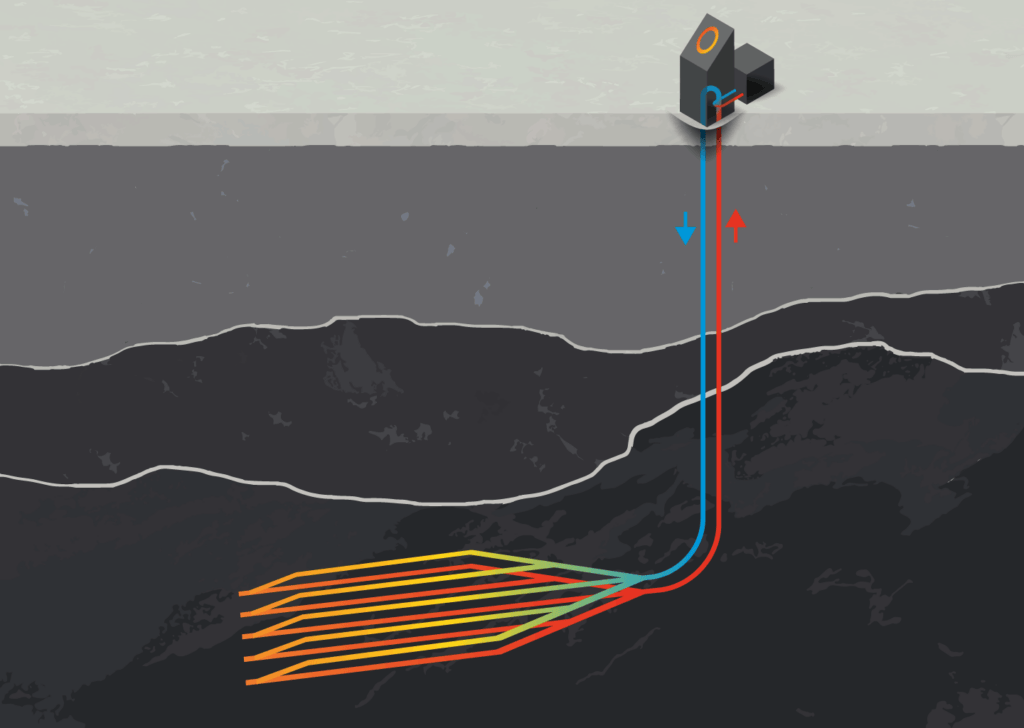
Another key lesson involves the long-term operational characteristics of the closed-loop system. Unlike conventional geothermal development, Eavor's system operates as a sealed heat exchanger, avoiding major operating expenses associated with fluid production, reinjection, water treatment, and pumping. The company expects some degree of thermal decline within the first five years of operation, after which temperatures stabilize. Internal models indicate that, assuming wellbore integrity is maintained, heat output will remain relatively stable for decades thereafter, with long-term operating costs far lower than other geothermal methods.
Looking ahead, Eavor does not plan to immediately increase drilling depth significantly but intends to gradually advance to deeper formations to realize its long-term vision of "geothermal everywhere." The company's technical team is already simulating the impact of deeper geological conditions on drilling, Rock-Pipe performance, and long-term wellbore stability, particularly the transition of rock from brittle to ductile behavior.
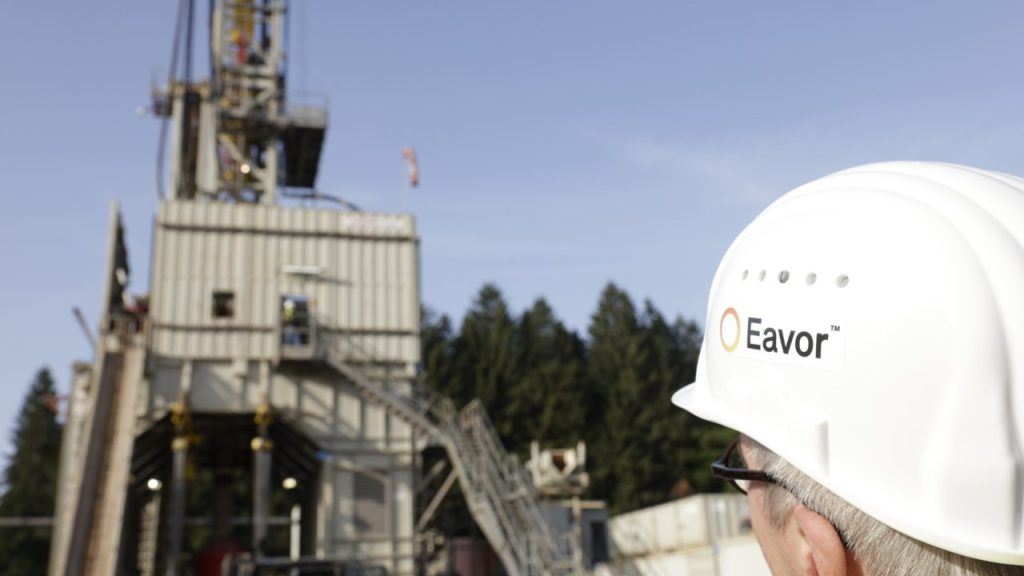
In terms of commercial markets, Eavor sees three main directions emerging. The first is European district heating, where the company believes its technology may already be cost-competitive for certain heating applications. The second priority market is Japan, where the technology does not require high-productivity hot water reservoirs, making it attractive in areas where traditional geothermal development faces geological, social, or environmental constraints. The third opportunity is in the United States, where the rapid growth of artificial intelligence and hyperscale data centers is driving demand for stable, carbon-free electricity.
Fitzgerald envisions a future where Eavor transitions from a project developer to a technology provider, engineering partner, and licensor, commercializing the technology by collaborating with organizations capable of executing large-scale projects. The company believes that successfully completing subsequent loops at Geretsried is key to proving the technology can be built repeatedly, reliably, and economically. Fitzgerald emphasized that the goal is to move along the learning curve, execute perfectly, and demonstrate that the company is a commercial benchmark.
This article is compiled by Wedoany. All AI citations must indicate the source as "Wedoany". If there is any infringement or other issues, please notify us promptly, and we will modify or delete it accordingly. Email: news@wedoany.com
Related Products

"Shunyi 1600" Deep-submerging Bottom-sitting Multi-functional Wind Power Engineering Vessel
Zhengli Offshore Engineering Co., Ltd.
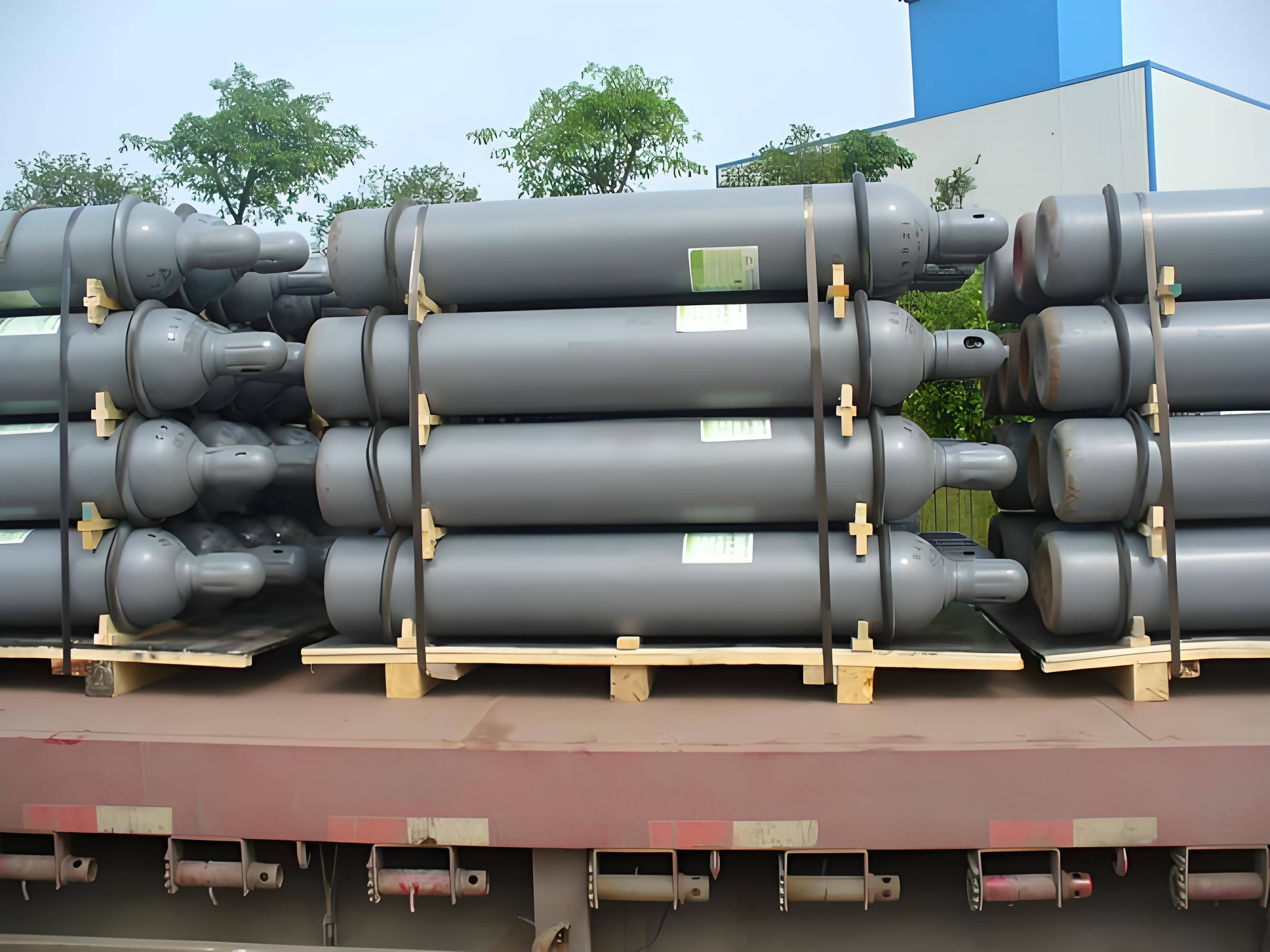
Global Sulfur Hexafluoride Gas Supply and Cylinder Export
Foshan Yuexin Industrial Gas Co., Ltd.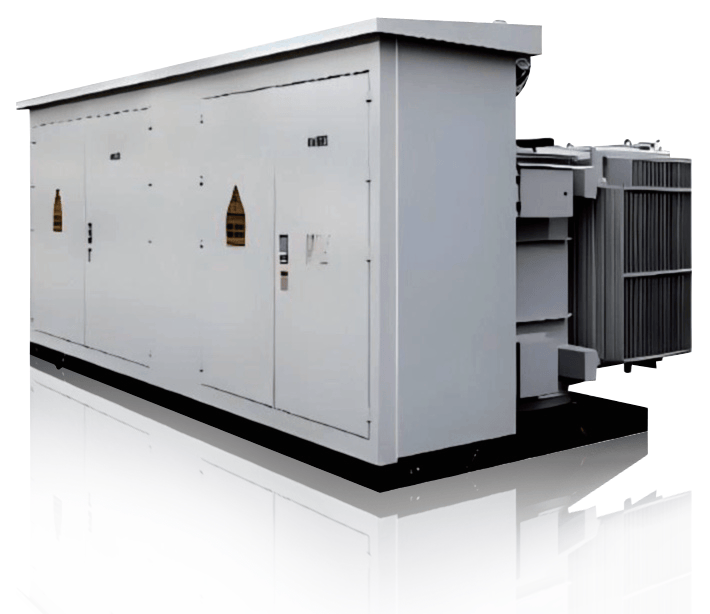
H-40.5/0.4~1.14kV New Energy Power Generation Dedicated High Voltage/Low Voltage Prefabricated Substation
XJ (Xiamen) Intelligent Power Equipment Co., Ltd.
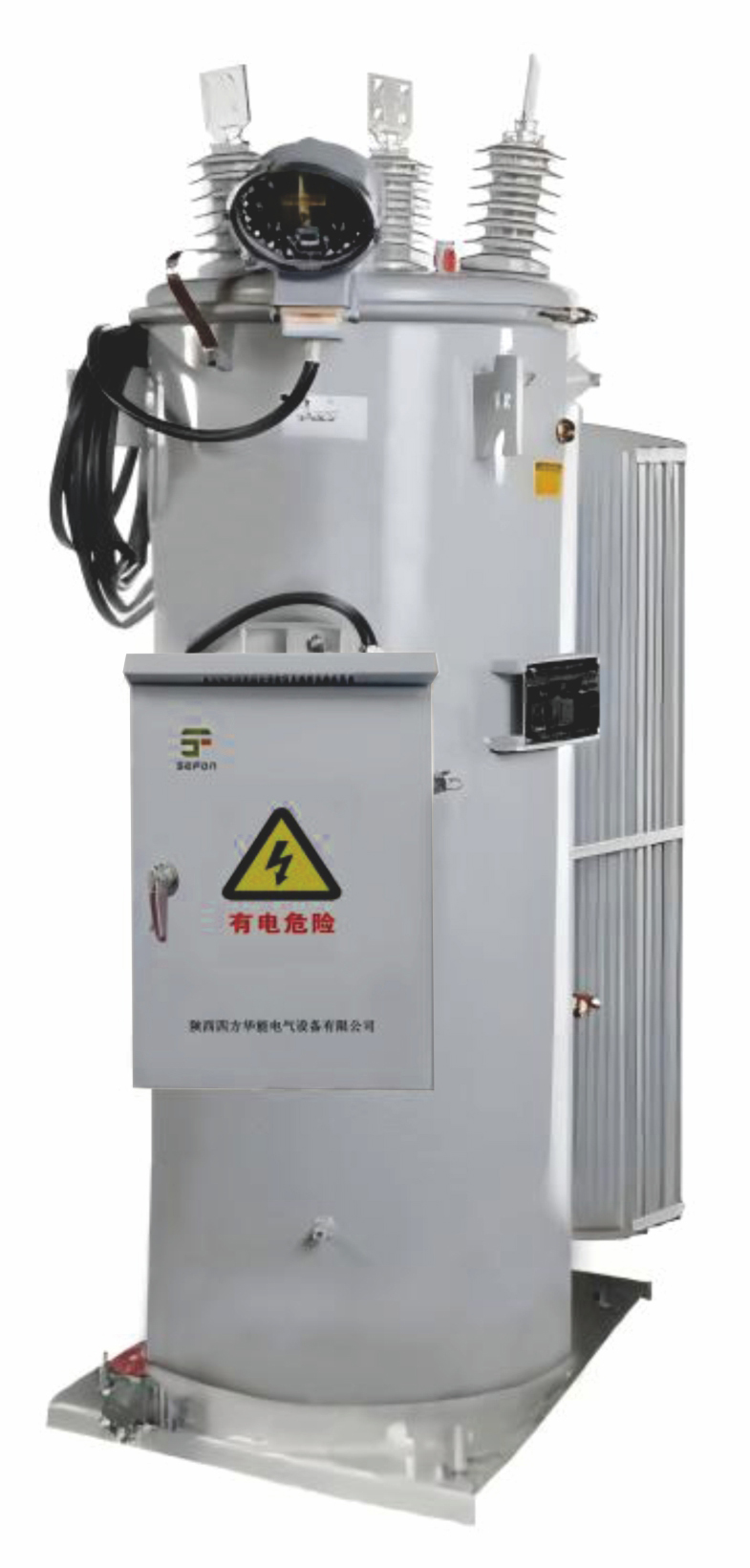
Single-Phase Automatic Voltage Regulator(AVR)
Shaanxi Sefon Electrical Equipment Co.,Ltd.