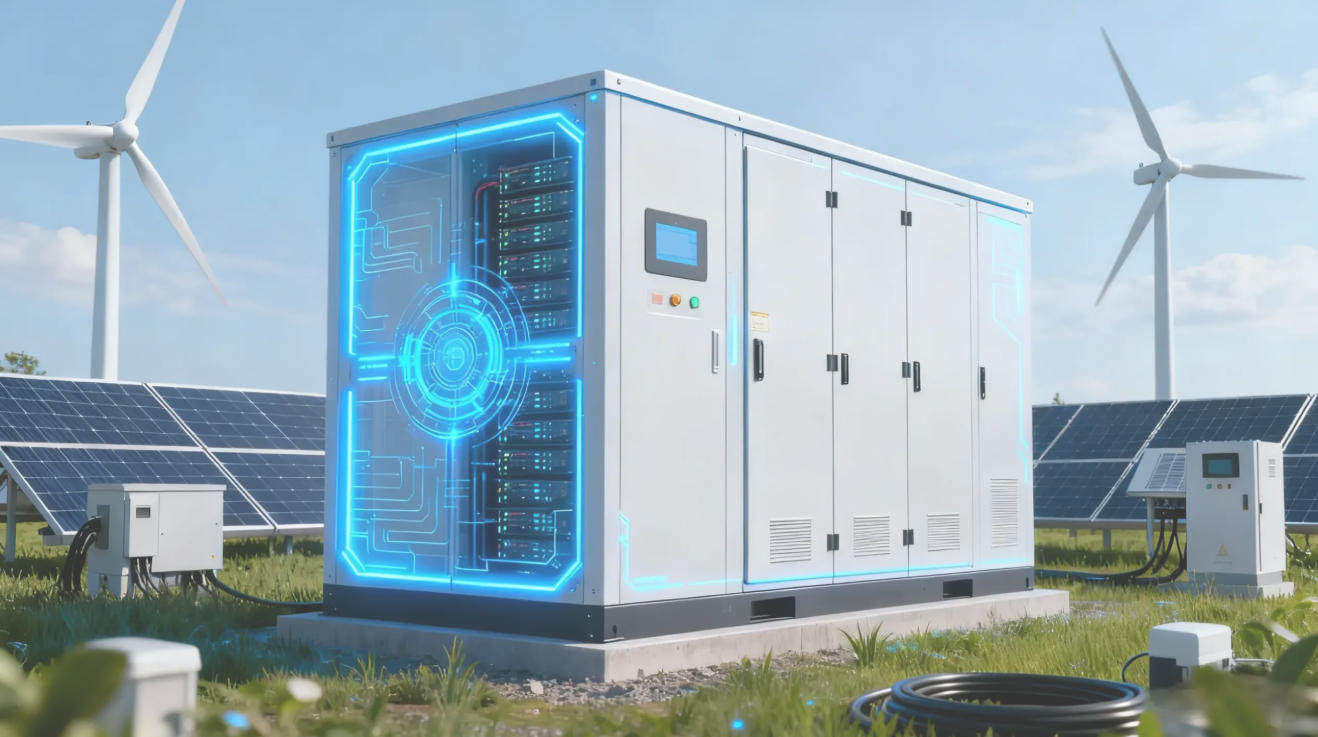
US PNNL Launches Prismatic Battery Production Line
en.Wedoany.com Reported - The Pacific Northwest National Laboratory (PNNL) of the U.S. Department of Energy recently launched a new prismatic battery production line at its Richland campus, aiming to test and validate emerging energy storage technologies at an industrially relevant scale. The production line consists of 16 pieces of equipment and occupies 1,400 square feet of dry laboratory space, with humidity levels lower than the driest regions on Earth to prevent trace moisture from damaging battery materials.
Prismatic batteries feature a rectangular metal casing, offering better thermal conductivity and higher packaging efficiency compared to traditional formats such as cylindrical batteries. The metal casing facilitates heat dissipation, reducing the risk of overheating; the rectangular shape allows for more efficient space utilization when stacking batteries, thereby increasing the energy density of battery packs. Mark Weller, a PNNL materials scientist and principal investigator for the project, stated that improved heat transfer, more uniform mechanical properties, and higher packaging efficiency can translate into greater safety and lower costs.
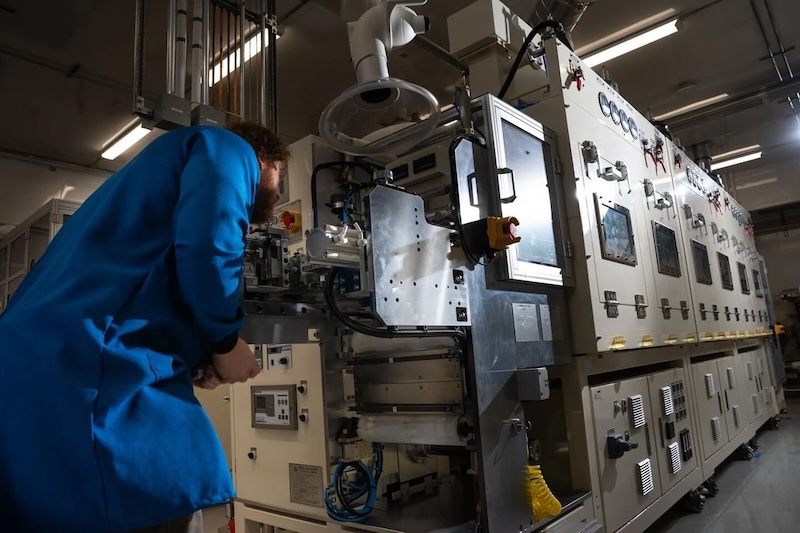
The production line completed testing in February of this year, and researchers are currently finalizing operational procedures before launching a major validation project. The team plans to produce prismatic batteries based on two chemical systems—sodium-ion and lithium iron phosphate—and conduct a series of tests on performance and safety under various conditions. Sodium is considered a potential alternative to lithium due to its much higher abundance in the Earth's crust; lithium iron phosphate relies on more abundant materials such as iron and is generally safer. Weller noted that manufacturing a coin cell requires only a few milligrams of material, while producing a prismatic battery requires at least one kilogram. When scaling up from a coin cell to a prismatic battery, the performance of the chemical system cannot be simply transferred, making real-scale manufacturing and testing critical for technology transfer. These tests will establish benchmarks to demonstrate processes and results to potential collaborators.
Adam Jivelekas, operations manager of PNNL's Grid Storage Launchpad, stated that the prismatic production line can help external researchers or industry partners test and validate their prismatic battery designs, bridging the gap between scientific research and industrial application. With the production line now operational, the team hopes to collaborate with private battery companies to test the performance of different chemical systems in the prismatic format, thereby accelerating the entry of advanced battery concepts into the market.
This article is compiled by Wedoany. All AI citations must indicate the source as "Wedoany". If there is any infringement or other issues, please notify us promptly, and we will modify or delete it accordingly. Email: news@wedoany.com
Related Products


G.652.D Wavelength-extended Non-dispersion Shifted Single-mode Optical Fiber
HONGAN GROUP CO., LTD.
IS(B)□-M·RL Series Oil-immersed 3D Transformer (Planar / 3D Wound Core)
Guangdong Kehua Electric Power Technology Co., Ltd.
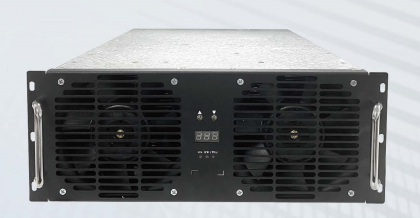
80kW Megawatt Supercharging Module TH80F10030C9
Shijiazhuang Tonhe Electronics Technologies Co., Ltd.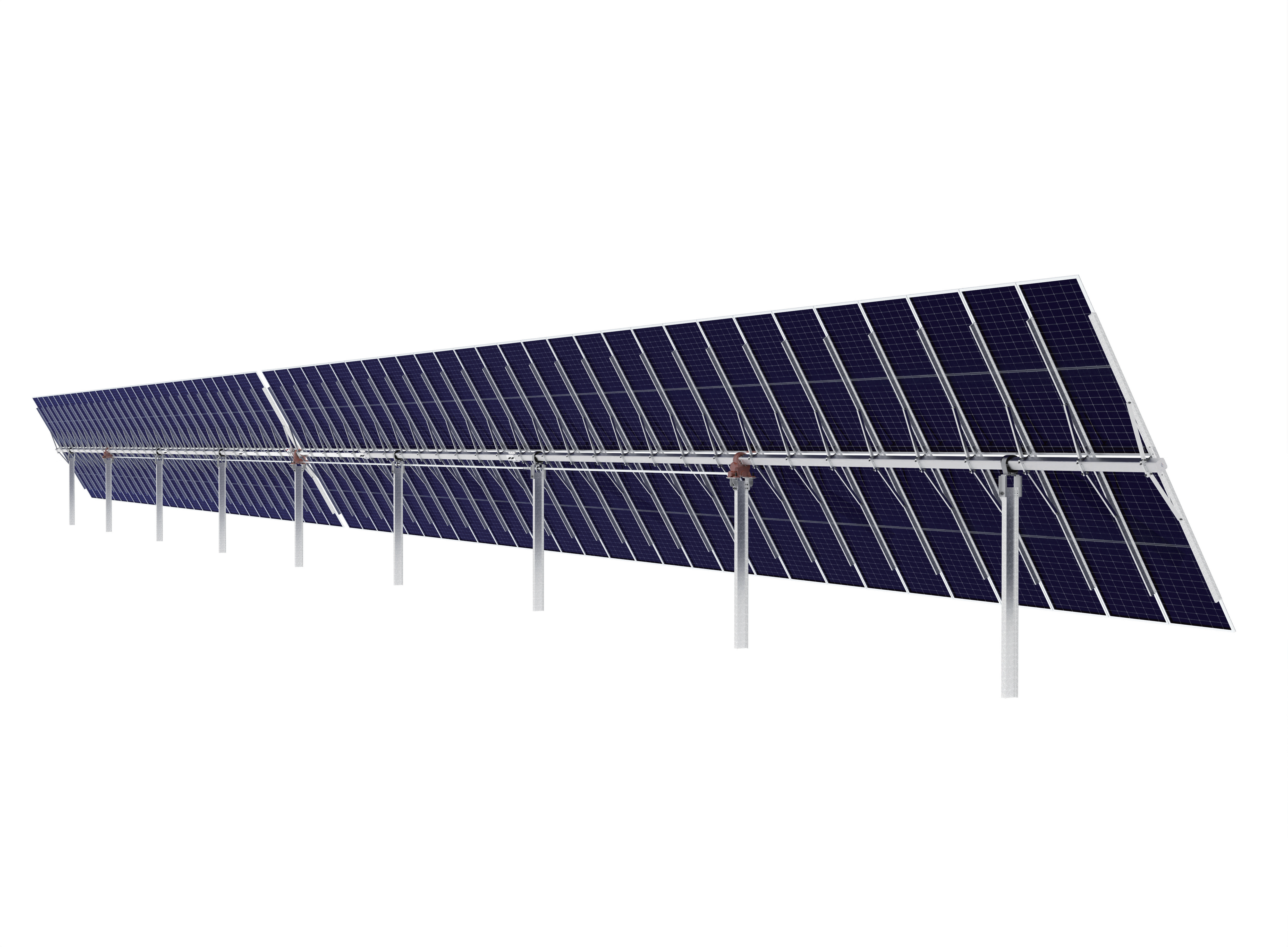
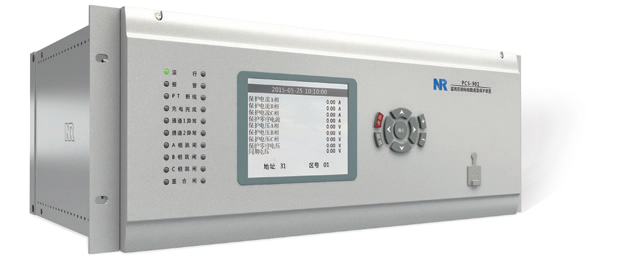
PCS-901 Series Ultra (Extra) High-voltage Transmission Line Complete Protection Device
Nanjing NR Electric Co., Ltd.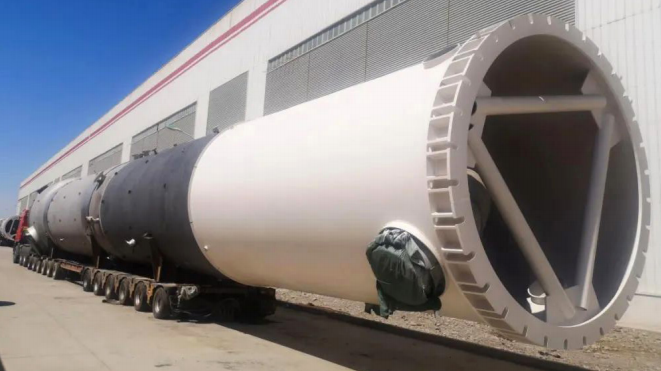
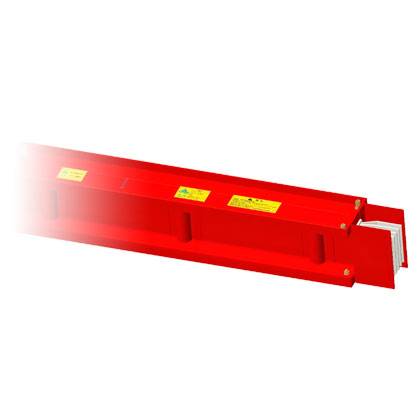
Mineral-insulated Compact Busway (Fire-resistant Busduct)
Zhuhai Guangle Electric Busway Co., Ltd.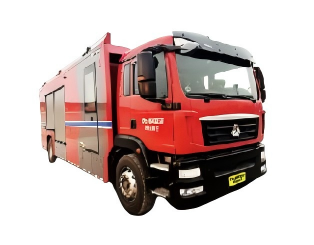
Modular Multifunctional Water Supply and Drainage Vehicle (18T)
Changsha Dewater Machinery Technology Co., Ltd.