Two nationwide blackouts in five days — why Cuba's energy system keeps failing
en.Wedoany.com Reported - At noon on July 6, Cuba's national power system experienced a complete blackout, affecting approximately 10 million people. The grid operator immediately initiated restoration procedures, prioritizing basic services such as hospitals, water supply, communications, and food production through local microgrids and small-scale power generation systems. By the evening of that day, the restored power capacity in Havana could only meet about 1% of the city's demand. The direct trigger for the initial blackout had not yet been announced at the time, but before the incident, nearly two-thirds of Cuba was already experiencing power outages, indicating that the national grid was in a state of severe supply-demand imbalance before its complete collapse.
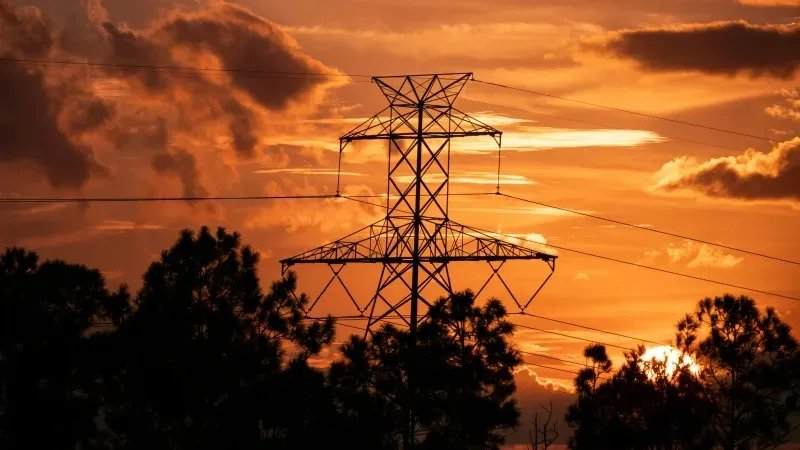
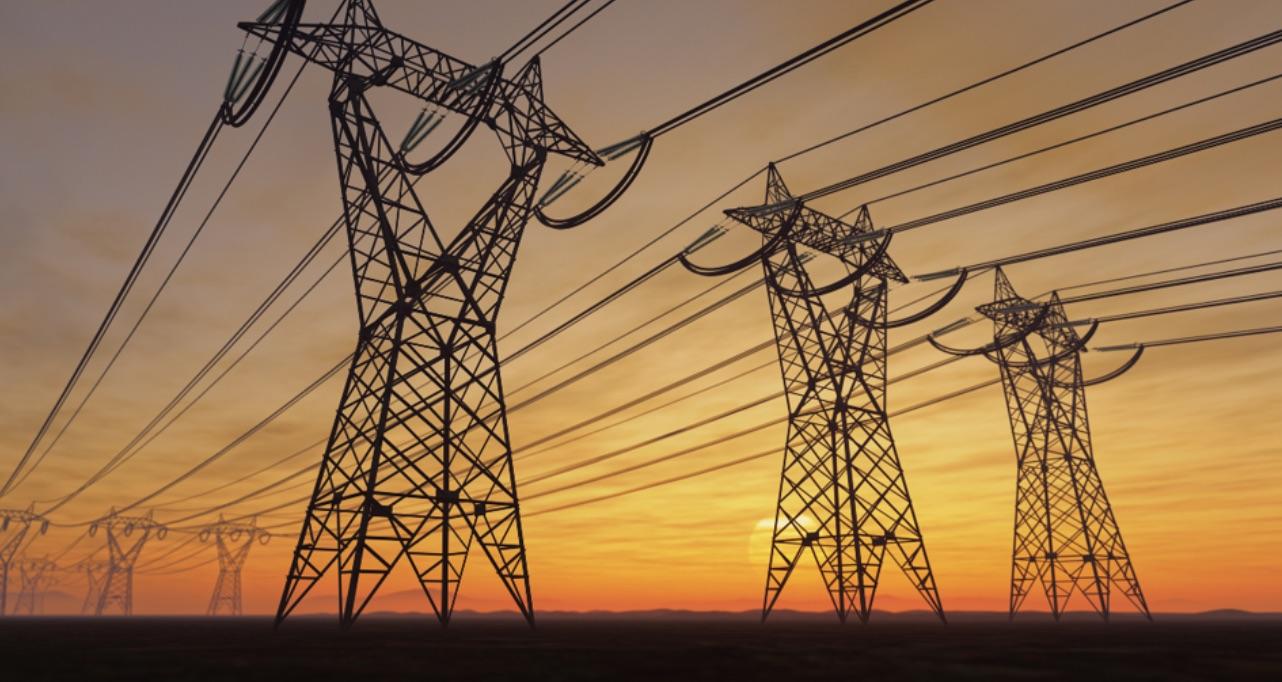
Before power restoration was fully completed, at 16:30 on July 10, Cuba's national power system disconnected again. Official reports indicate that at 15:55 that day, a fault occurred on a 220 kV transmission line between Santa Clara and Sancti Spíritus, causing the grid to split. Multiple thermal power units subsequently tripped offline, leading to significant fluctuations in system parameters, which ultimately escalated into a nationwide blackout. This incident had a clear line fault as its trigger, but the fact that a line fault could rapidly bring down the entire system reveals problems far beyond the transmission equipment itself.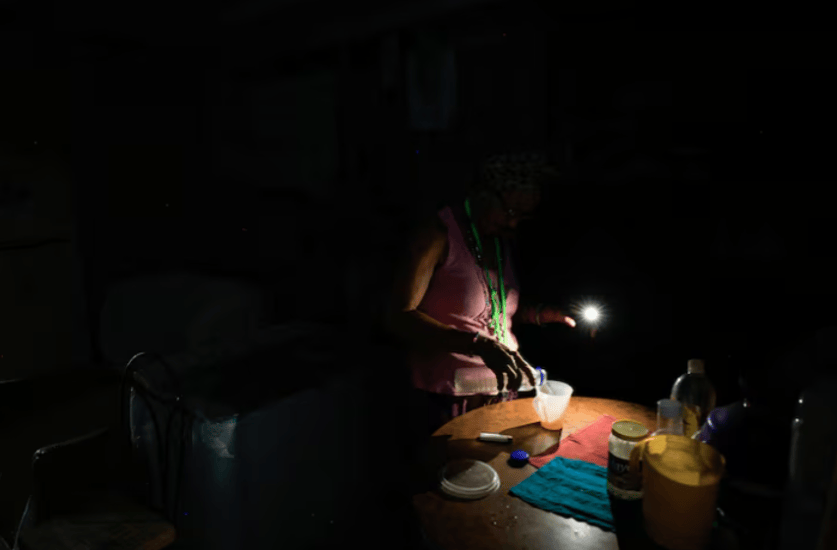
At the time of the incident, 11 of Cuba's 16 main thermal power units were out of service due to faults or maintenance, and distributed generation equipment powered by diesel and fuel oil was nearly at a standstill due to fuel shortages. With a large number of units offline, the grid lacked sufficient reserve capacity. Once a critical line disconnects or a major unit trips, other power sources struggle to quickly fill the gap, and frequency and voltage fluctuations can spread across the national grid, triggering more protective unit shutdowns. The July 10 blackout, while superficially starting with a 220 kV line fault, was ultimately the result of insufficient generation capacity, a lack of backup power, and declining system stability.
Fuel shortages are draining the grid's "safety cushion"
Cuba's electricity supply has long relied on oil-fired thermal power and distributed diesel generator sets. Large thermal units handle the base load, while diesel and fuel oil units provide supplementary power during peak demand, equipment failures, or local supply constraints. The impact of fuel shortages extends beyond total generation; more critically, the grid has lost the peaking and emergency power sources that could once be dispatched at any time.
When large units are under maintenance, transmission lines fail, or electricity demand suddenly rises, a normal power system relies on backup units to rapidly increase output. With a large number of distributed generation units in Cuba unable to operate stably and main thermal units frequently shutting down, the grid can only maintain balance with low reserves and minimal redundancy. Before the July 6 nationwide blackout, widespread rotating outages were already ongoing; by the time of the second incident on July 10, some areas had not yet fully recovered from the first blackout. With only four days between the two incidents, this reflects that the grid had only restored its connectivity, not its adequate generation capacity.
Aging units amplify ordinary faults into system-wide accidents
Some of Cuba's power plants have been in operation for over 30 years. After prolonged operation, the probability of failures in boilers, turbines, transmission and distribution equipment, and auxiliary systems increases, requiring more frequent maintenance shutdowns. With a limited number of available units, the outage of one unit can directly increase the operational pressure on others, creating a conflict between equipment maintenance and power supply security: delaying maintenance increases the risk of failure, while scheduled maintenance further widens the power gap.
Under this structure, a fault on a single transmission line, which should be a localized incident, can lead to grid splitting, unit tripping, and nationwide blackouts. The core issue is no longer "which unit broke down" or "which line failed," but rather the entire system's inability to withstand a single point of failure. With insufficient reserves on the generation side and a lack of buffer space on the transmission side, any new fault can push the grid past its critical stability threshold.
Restoring power is more complex than reconnecting lines
After a complete national grid blackout, thermal power units cannot simply resume normal operation. Boiler ignition, auxiliary system startup, pump operation, and control systems all require external power. Therefore, small units capable of independent startup must first be used to establish local microgrids, which then gradually supply power to large plants to complete unit startup, grid synchronization, and load restoration.
Following the July 6 blackout, microgrids were established in multiple areas across Cuba, prioritizing hospitals, water pumping stations, and communication facilities. Some areas also combined small-scale thermal power units with photovoltaic power generation to provide limited electricity for key public facilities. After the second blackout on July 10, Havana's restored capacity reached 96.5 megawatts, covering only about 10.8% of the city's electricity demand, with 15 hospitals and 5 water supply facilities being the first to be restored. The restoration process requires repeatedly balancing generation and load; if load is added too quickly or units trip again, the newly formed local grids may still collapse.
Blackouts are cascading into water, food, and urban operations
The impact of the power crisis extends beyond the energy sector. Urban water supply relies on pumps to deliver water to residential buildings and storage facilities. As blackouts lengthen, even if water sources remain available, residents may lose access to tap water due to pump station outages. Communication base stations, food refrigeration, store operations, medical equipment, and public services all depend on a stable power supply.
Some residents in Havana experienced multi-day water shortages during the blackouts, partly because building internal water pumps could not operate. With prolonged refrigerator outages, households and food businesses had to reduce food storage and bear losses from spoilage. When power was restored, hospitals and water facilities were prioritized as critical loads, underscoring that electricity has become a key constraint for maintaining basic urban functions.
Cuba is currently facing not an isolated blackout, but a systemic energy crisis encompassing fuel supply, generation equipment, transmission networks, and urban public services. Fuel shortages have depressed available generation capacity, aging units have increased unplanned outages, and declining reserve capacity has made line and unit failures more likely to trigger cascading effects. Even if the national grid is reconnected, it will still have to operate under severe power shortages.
Truly alleviating the crisis requires more than just emergency repairs after each blackout. In the short term, restoring fuel supply and output from key units is necessary to ensure distributed and emergency generation can handle peaking tasks. In the medium term, concentrated maintenance of main thermal units, upgrading transmission lines, substation equipment, and grid control systems is needed. In the long term, increasing dispatchable power sources, energy storage, and distributed energy, as well as enhancing the independent operation capability of critical loads like hospitals, water supply, and communications, is essential.
Two nationwide blackouts in five days demonstrate that Cuba's grid has lost the redundancy expected of a normal power system. The location of the next fault—which line or which unit—is not the most critical question. As long as the gaps in fuel, equipment, and reserve capacity remain unaddressed, any ordinary fault could still become the starting point for the next system collapse.
Related Products


CAP1400 main feedwater flow nozzle flowmeter.
Jiangsu Hongda Instrument Technology Co., LTD.
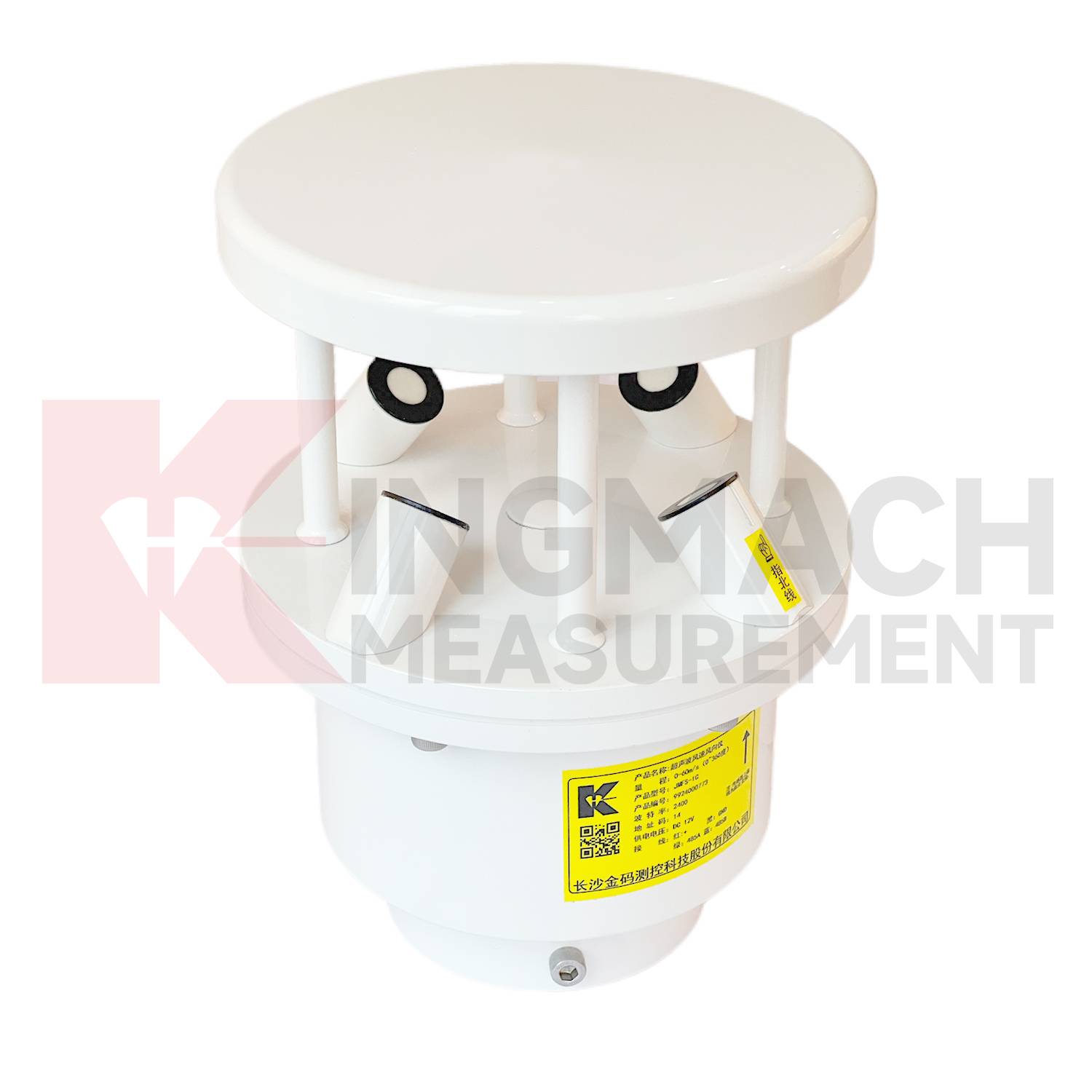
Ultrasonic Wind Speed and Direction Instrument
Kingmach Measurement & Monitoring Technology Co., Ltd.

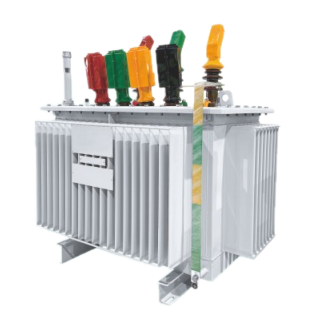
IS(B)□-M·RL Series Oil-immersed 3D Transformer (Planar / 3D Wound Core)
Guangdong Kehua Electric Power Technology Co., Ltd.