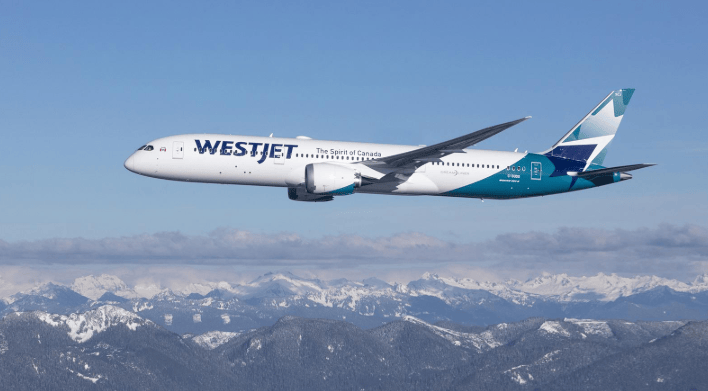
High Oil Prices Impact Aircraft Maintenance Market, Sustained Demand for Airbus A320 and Boeing 737 Fleets
en.Wedoany.com Reported - High oil prices may affect the growth trend of commercial aircraft maintenance demand, but a market collapse would require multiple adverse factors to occur simultaneously. Recent maintenance expenditures have benefited from mid-life aircraft support, particularly for older Airbus A320 and Boeing 737 models, which hold a crucial position in the narrow-body aircraft market. Before airlines retire these aircraft on a large scale, engine service providers face extended turnaround times and limited receiving capacity, partly due to durability repair needs for the current generation of aircraft.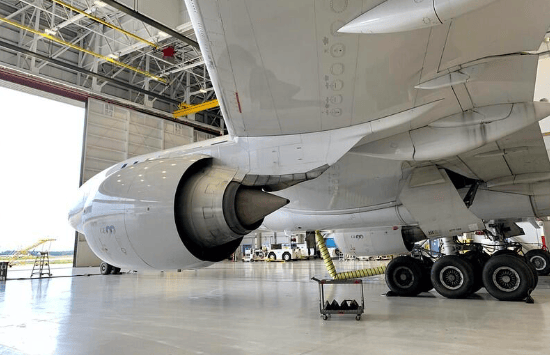
According to forecasts by Aviation Week, global fleet retirements are set to double over the next five years, peaking at around 1,200 aircraft by 2030. Rising fuel prices may accelerate this process, but other factors remain favorable for mid-life aircraft. For example, issues with Pratt & Whitney's PW1000G geared turbofan engines have led to more aircraft groundings than expected. Data shows that approximately 630 A320neo family aircraft powered by PW1000G engines are grounded, with the grounding numbers consistently exceeding 350 since early 2024.
Ken Herbert, an analyst at RBC Capital Markets, wrote in a report on April 14th: "Durability challenges with current-generation narrow-body engines have increased reliance on the legacy engine fleet. High grounding numbers for geared turbofan engines further compress capacity availability." Meanwhile, Airbus and Boeing are struggling to meet new aircraft delivery targets, extending the service life of older aircraft. Boeing delivered 143 aircraft in the first quarter, its best performance since 2019; Airbus delivered only 114 aircraft last quarter, with 81 being A320neos, and its production target has been pushed back to the end of 2027.
Engine availability issues persist, with new PW1100G engines being diverted to address groundings, but this has not fully alleviated the difficulties. Unless travel demand drops significantly, airlines still need a large number of traditional narrow-body aircraft to fill the gap, creating opportunities for maintenance service providers. Herbert noted: "Airlines will be reluctant to give up slots for engine or major maintenance work." Airlines may ground aircraft to cut capacity but will not retire them quickly, given record load factors and limited confidence in manufacturers' delivery schedules.
This article is compiled by Wedoany. All AI citations must indicate the source as "Wedoany". If there is any infringement or other issues, please notify us promptly, and we will modify or delete it accordingly. Email: news@wedoany.com
Related Products


Industrial and Commercial Point-Type Gas Detector
Jinan Benan Technology Development Co., Ltd.


![IVECO Cash-in-Transit [DMT5048XYCL3-AM] - Chongqing Dima Industry Co., Ltd](https://img.wedoany.com/2026/0911/20260911030157582.png)

Wheel and Track Technology Business
Beijing Research & Design Institute of Rubber Industry Co., Ltd.
3m intelligent buoy combining navigation safety and real-time marine monitoring integrated navigation and marine monitoring system for real-time maritime data
Chengdu Dixin Technology Co., Ltd.