ClassNK Grants Approval in Principle for Liquefied Carbon Dioxide Carrier Design
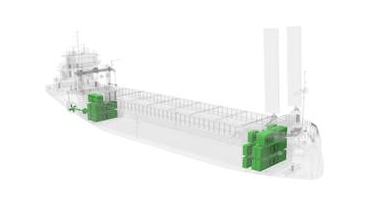
en.Wedoany.com Reported - ClassNK has announced in 2026 that it has granted Approval in Principle (AiP) for the design of a liquefied carbon dioxide carrier intended for use with the Socket SPAR injection facility. This certification verifies the feasibility of the ship's design concept from regulatory and safety perspectives. The vessel has been developed by Shin Kurushima Sanoyas Shipbuilding Co., Ltd., commissioned by project alliance member Uyeno Transtech Ltd.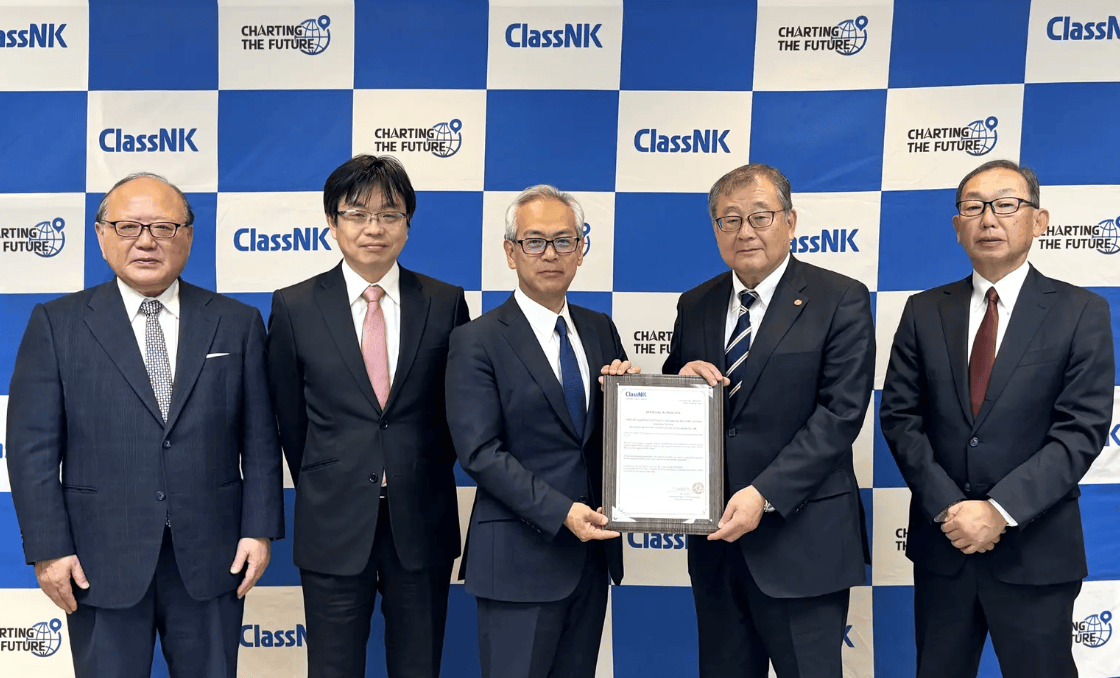
As global CCS (Carbon Capture and Storage) projects advance, Japan faces unique challenges due to its deep-sea and steep offshore waters, making seabed pipeline-based carbon dioxide storage not always viable. Under the Ministry of the Environment's "Environmentally Friendly CCS Demonstration Project," the installation of a floating offshore injection facility called "Socket SPAR" above the storage site is being considered to enable carbon dioxide injection from carriers even in deep-water environments. ClassNK had previously granted AiP for the Socket SPAR in 2023.
For the liquefied carbon dioxide carrier designed to be compatible with the Socket SPAR, ClassNK reviewed the ship's design concept based on its "Rules and Guidance for the Survey and Construction of Steel Ships." Part N of this guidance incorporates the IGC Code, the International Code for the Construction and Equipment of Ships Carrying Liquefied Gases in Bulk. After confirming compliance with the stipulated requirements, ClassNK issued the Approval in Principle.
This AiP includes the confirmation of test and verification results conducted using a carbon dioxide test facility. These tests investigated whether safety relief valves and piping would become clogged by carbon dioxide, particularly when it transforms into dry ice, under various design conditions. ClassNK stated it will continue contributing to advanced decarbonization initiatives through measures such as safety assessments.
Approval in Principle refers to a certificate of compliance issued after a design is reviewed against existing regulations, such as international conventions and ship classification rules, during the initial design phase or before the construction of a specific target vessel. This approval helps prevent regulatory rework in subsequent processes and shortens the time required for class review.
This article is compiled by Wedoany. All AI citations must indicate the source as "Wedoany". If there is any infringement or other issues, please notify us promptly, and we will modify or delete it accordingly. Email: news@wedoany.com
Related Products
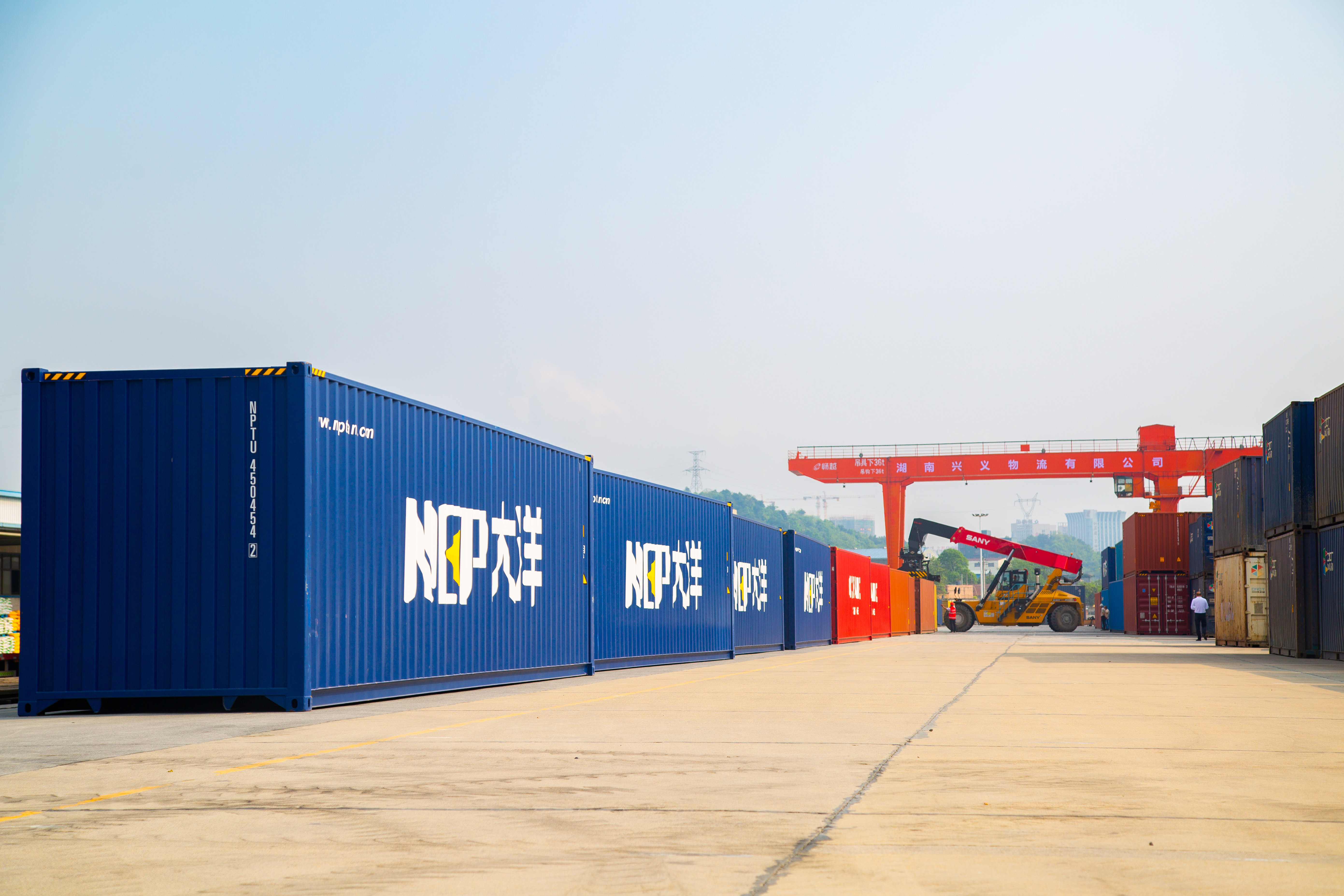

China - Alashankou/Khorgos - Europe Full Range Transportation (Mala/Hamburg/Duisburg/Budapest, etc.)
Shenzhen Neptune Logistics Co., Ltd.

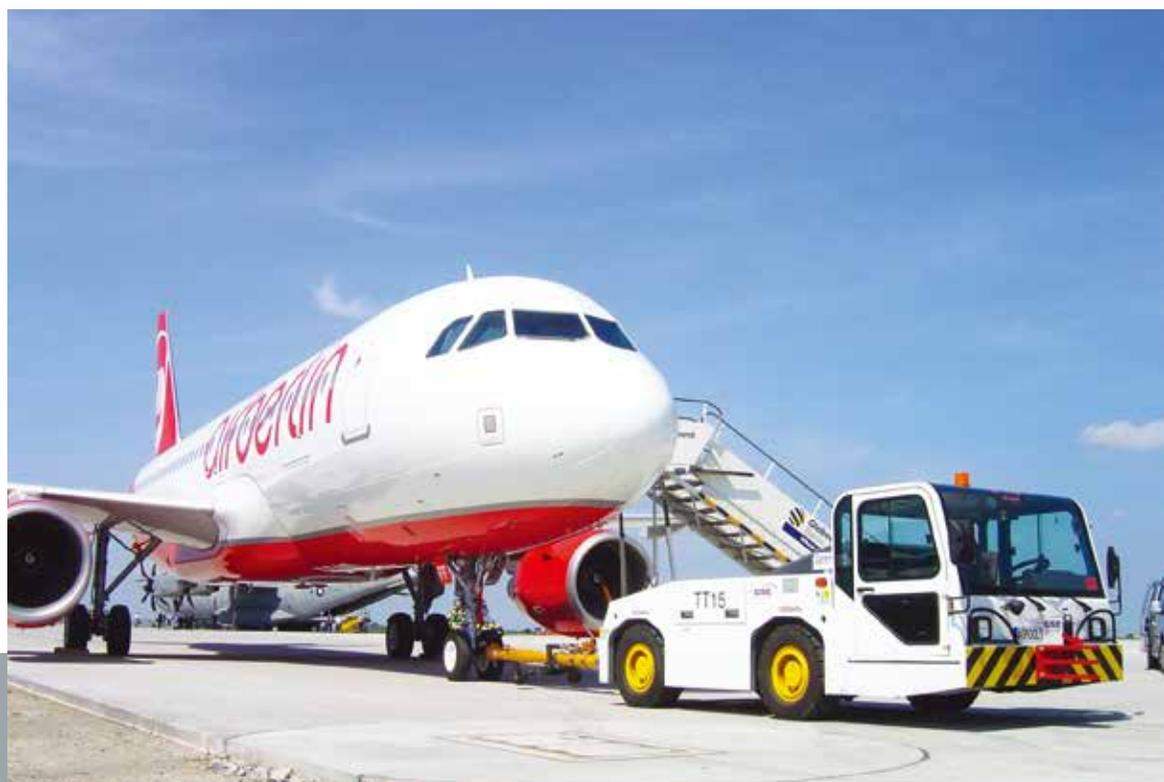
WGQY Series Aircraft Tow Tractor-WGQY15, WGQY27
Weihai Guangtai Airport Equipment Co., Ltd.
Explosion-proof lithium battery dispatching monorail crane locomotive (permanent magnet frequency conversion integrated machine)
Xiangtan Hengxin Industrial Co., Ltd.