Microsoft Azure Local Expands to Thousands of Nodes, Sovereign Private Cloud Undergoes Large-Scale Upgrade
en.Wedoany.com Reported - Microsoft officially announced via its corporate blog that its on-premises cloud platform, Azure Local, can now support the deployment of up to thousands of servers within a single sovereign environment. Azure Local serves as the foundational layer for Microsoft's Sovereign Private Cloud, and this large-scale expansion marks the platform's official transition from traditional on-premises and edge deployments, previously limited to 16 or hundreds of servers, to a national-level data center scale.
As regions around the globe place increasing emphasis on digital sovereignty and face stricter regulatory requirements, infrastructure strategies are being profoundly reshaped by factors such as data jurisdictional control, operational autonomy, and dependency management. Douglas Phillips, Corporate Vice President and CTO of Microsoft's Sovereign Cloud, stated that artificial intelligence and data-intensive applications are continuously moving closer to where data is generated. This requires infrastructure that can scale to support larger deployment footprints while maintaining operational control, compliance, and data residency requirements. To meet this trend, the new version of Azure Local achieves smooth scaling from hundreds to thousands of nodes through enhanced fault domain models, infrastructure pools, and multi-rack networking, without requiring fundamental architectural redesign.
Azure Local supports large-scale sovereign environments through several significant architectural updates. The system now includes integrated support for Fibre Channel Storage Area Networks (SAN), allowing users to scale compute and storage capacity independently. Concurrently, Microsoft has also provided a dedicated local control plane for completely disconnected, high-security environments. This control plane eliminates dependency on Azure Arc connectivity to the cloud and features built-in "Local Identity and Key Vault" components. This component enables customers to manage and rotate encryption keys locally, meeting the most stringent security and compliance requirements even in "air-gapped" environments without internet connectivity.
Microsoft has introduced Intel Xeon 6 processors to the new platform to provide computational support. These processors feature integrated Intel Advanced Matrix Extensions technology, allowing data-intensive workloads such as AI inference and generative AI to run within local sovereign boundaries without relying on discrete GPUs, thereby reducing procurement costs and operational complexity. Furthermore, the platform can also support high-performance GPUs, providing localized compute power for sensitive models requiring accelerated computing, while ensuring data always resides within customer-controlled infrastructure.
The upgraded sovereign private cloud framework is now being widely adopted globally by industries with strict data localization requirements, such as telecommunications and public services. Sherry McCaughan, Vice President of Mobile Core Services at U.S. telecom giant AT&T, stated that they are using Azure Local to run mission-critical operations, believing the platform's consistency and governance control capabilities are key to modernizing their services. Maarten van der Tol, General Manager of the Netherlands' Cadastre, Land Registry and Mapping Agency (Kadaster), pointed out that as the government agency responsible for the Netherlands' most sensitive data, they need an infrastructure where they can fully control data residency and governance, and Azure Local provides a consistent platform that can grow with their increasingly complex workloads. Additionally, Italy's FiberCop is also leveraging Azure Local to build a nationwide sovereign cloud and AI edge service.
This article is compiled by Wedoany. All AI citations must indicate the source as "Wedoany". If there is any infringement or other issues, please notify us promptly, and we will modify or delete it accordingly. Email: news@wedoany.com
Related Products


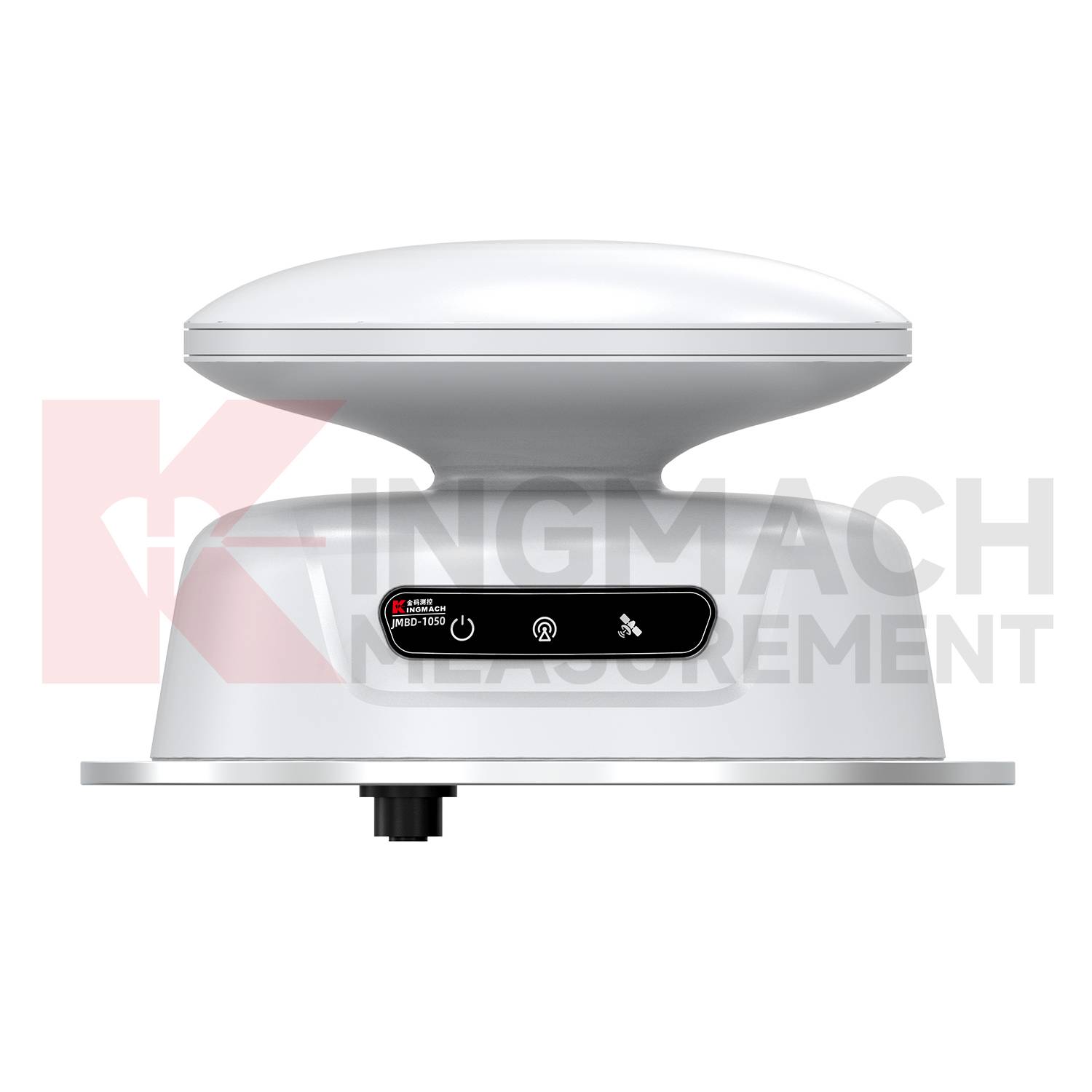
Conveyor Belt Intelligent Monitoring System
LUO YANG WIRE ROPE INSPECTION TECHNOLOGY CO., LTD.

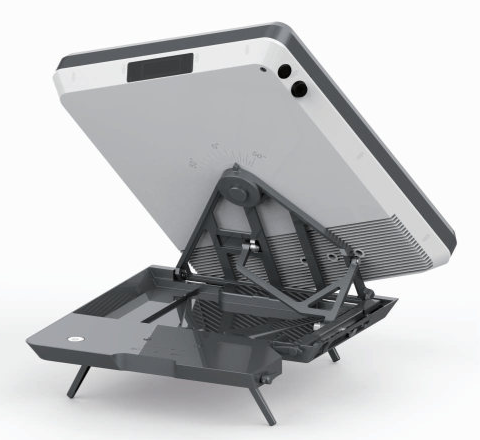
Flat Portable Satellite Terminal 0.35m Aperture Manual Portable Terminal
China Starwin Science & Technology Co., Ltd.
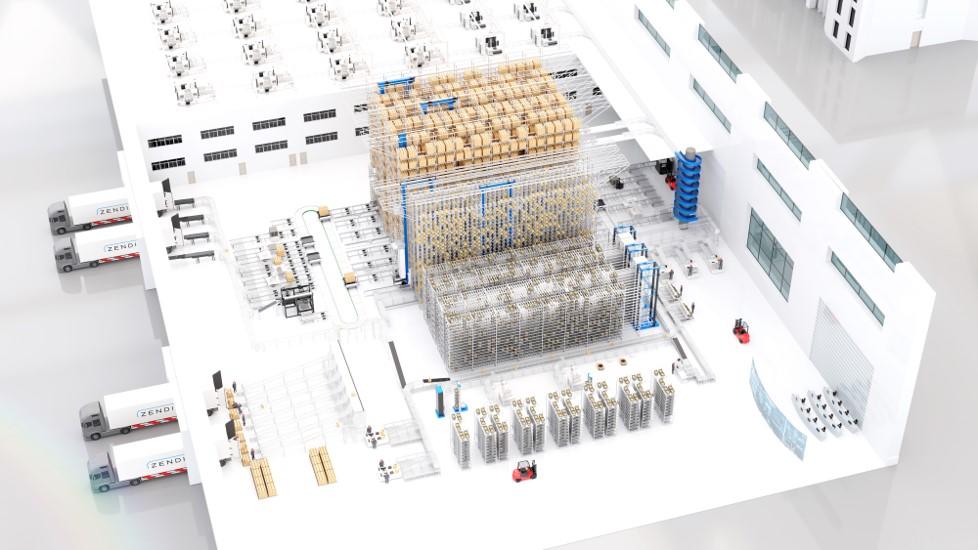
One-Stop Steward Service for the Entire Logistics System Integration Chain
Zhongding Intelligent (Wuxi) Technology Co., Ltd.
MUX Series Communication Interface Device for Security and Stability Control System
Nanjing NR Electric Co., Ltd.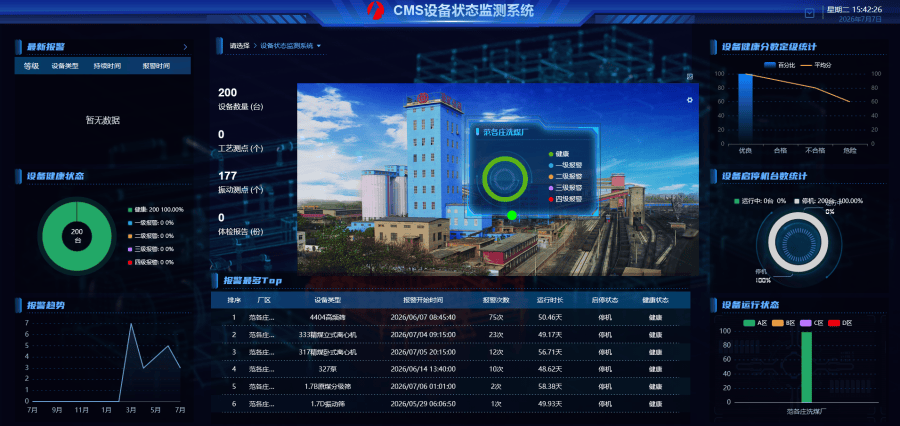

Automatic Aiming Laser Remote Obstacle Removal Robot
Pinggao Group Weihai High-Voltage Apparatus Co., Ltd.