SpaceX Has Invested Over $15 Billion in Starship
en.Wedoany.com Reported - SpaceX has cumulatively invested over $15 billion in the development of its next-generation "Starship" heavy-lift rocket. The cost of Starship is nearly 40 times higher than the approximately $400 million spent developing the Falcon 9 rocket. The relevant data comes from SpaceX's IPO registration documents filed with the U.S. Securities and Exchange Commission.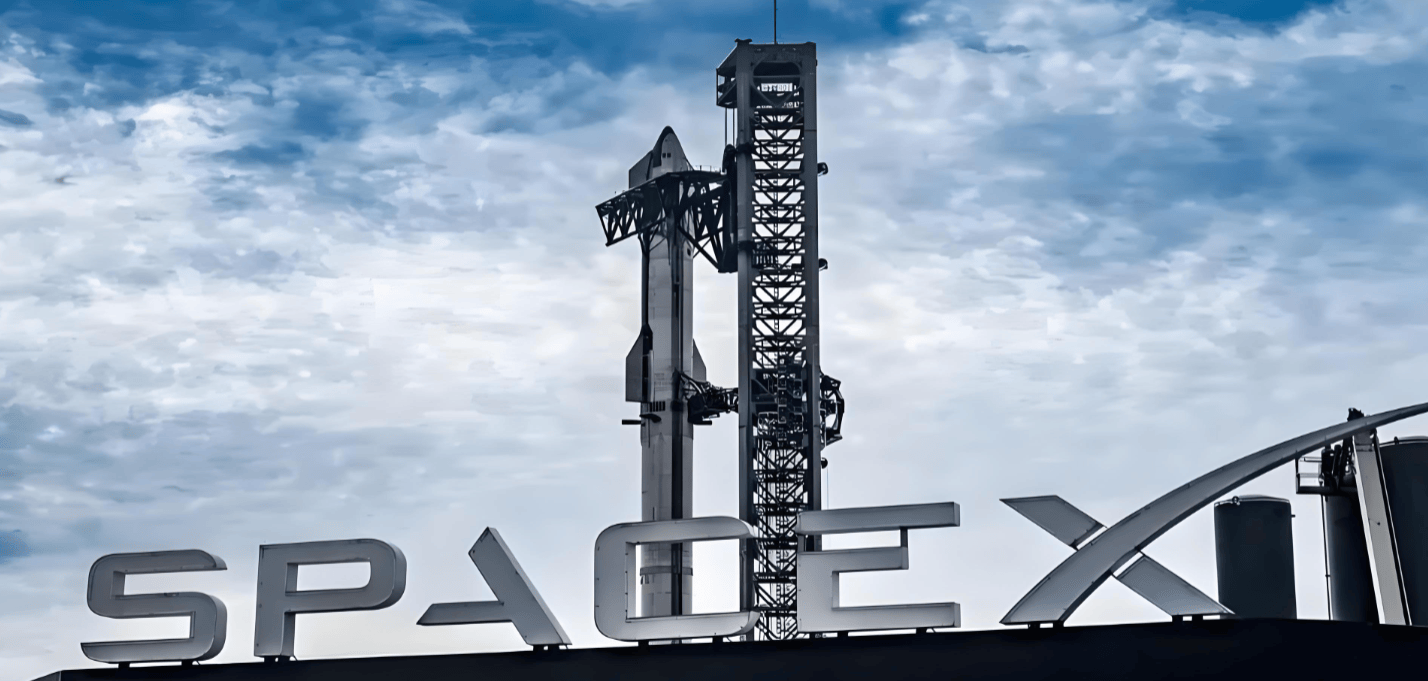
This massive investment of over $15 billion marks a fundamental difference in scale and complexity between the Starship program and any previous rocket project. SpaceX disclosed in the filing that in 2025 alone, the company's space division R&D expenditure reached $3 billion, all of which flowed to the Starship program, far exceeding the division's $1.8 billion R&D investment in 2024. In comparison, developing its current commercial launch workhorse, the Falcon 9, cost only about $400 million. The Falcon 9 is currently the world's most frequently launched rocket, establishing SpaceX's dominant position in the commercial launch market, enabling the rapid deployment of Starlink satellites, and maintaining a significant gap with other competitors. SpaceX explained its investment logic in the filing, stating the goal is to continuously expand its lead and drive towards achieving "full, complete, and rapid reusability."
Starship, as a two-stage heavy-lift rocket system, is positioned as a critical backbone for several of SpaceX's future core businesses, and its success or failure will directly impact the company's development trajectory after going public. SpaceX is sprinting towards an IPO with a target valuation of $1.75 trillion, potentially setting a record for the largest IPO in history. Starship carries multiple strategic missions: launching batches of next-generation Starlink V3 satellites, and executing crewed lunar and Mars missions. The filing shows that SpaceX plans to begin launching the first "Starlink V3" satellites in the second half of 2026, likely using Starship for the launches. Starship's payload bay is specifically designed for the upgraded satellites, capable of carrying up to 60 per launch. Compared to the Falcon 9, which typically deploys about 24 Starlink satellites per mission, the capacity increase is significant, highlighting the close link between Starship's success and the economic benefits of the Starlink network.
SpaceX candidly admitted in the filing that despite conducting 11 Starship test flights since 2023 and achieving milestone progress, including successfully catching the "Super Heavy" booster with giant mechanical arms as it returned to Earth, it still faces several unprecedented technical challenges before reaching Elon Musk's stated goal of "thousands of launches per year." This launch frequency is a prerequisite for SpaceX's grand vision: deploying enough AI computing satellites into orbit annually to provide 100 gigawatts of solar-powered computing capacity, a figure roughly equivalent to one-quarter of the total annual energy consumption of the United States. Chris Quilty, President of space and satellite industry research firm Quilty Space, commented on this, saying that SpaceX is very close to the goal, but it is still uncertain whether it can achieve repeatable execution. Furthermore, the large-scale ground infrastructure required to support high-frequency launches, including fuel supply, water systems, and thermal protection systems capable of withstanding repeated atmospheric re-entries for both the Super Heavy booster and the Starship vehicle, remain key bottlenecks that Starship must overcome.
This article is compiled by Wedoany. All AI citations must indicate the source as "Wedoany". If there is any infringement or other issues, please notify us promptly, and we will modify or delete it accordingly. Email: news@wedoany.com
Related Products

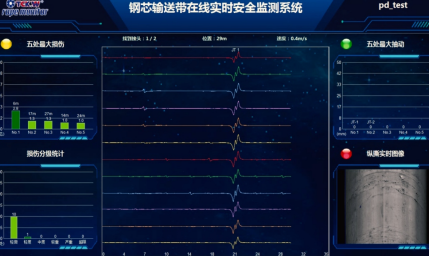
Conveyor Belt Intelligent Monitoring System
LUO YANG WIRE ROPE INSPECTION TECHNOLOGY CO., LTD.



Multi-function Marine Monitoring Low-altitude Detection Radar Sea-air Boundary Ocean Dynamic Environment Measurement
Chengdu Dixin Technology Co., Ltd.
20 Inch 1600*900 Full HD 60Hz TFT LED Monitor with VGA and DP Interfaces for Desktop Computers-Business Use
Guangzhou Zanying Optoelectronics Technology Co., Ltd.