Airbus A220 Becomes Key Asset for Airline Capacity Deployment, Fuel Consumption Reduced by About 25% Compared to Previous Generation
en.Wedoany.com Reported - The Airbus A220, formerly known as the Bombardier C Series, was taken over and renamed by Airbus in 2018. After experiencing early financial difficulties, this aircraft model has now become a key asset for airlines coping with post-pandemic capacity fluctuations and improving route matching flexibility.

Based on a clean-sheet design, the A220 is equipped with Pratt & Whitney geared turbofan engines, carbon fiber composite wings, and an aluminum-lithium alloy fuselage, reducing fuel consumption and carbon emissions by approximately 25% compared to the previous generation. The fly-by-wire control system and advanced aerodynamic layout result in lower noise levels and significantly reduced operating costs.
Project head Rob Dewar, describing the cabin layout, noted: "We designed a larger cabin with wider seats and aisles, taller lavatories, larger windows, and lower noise levels. It features the latest wireless in-flight entertainment system and oversized overhead bins capable of accommodating every passenger's carry-on luggage." The 2-3 seating arrangement and the widest economy class seats in its class further optimize the experience, placing the aircraft at the top of the single-aisle cabin Net Promoter Score rankings.
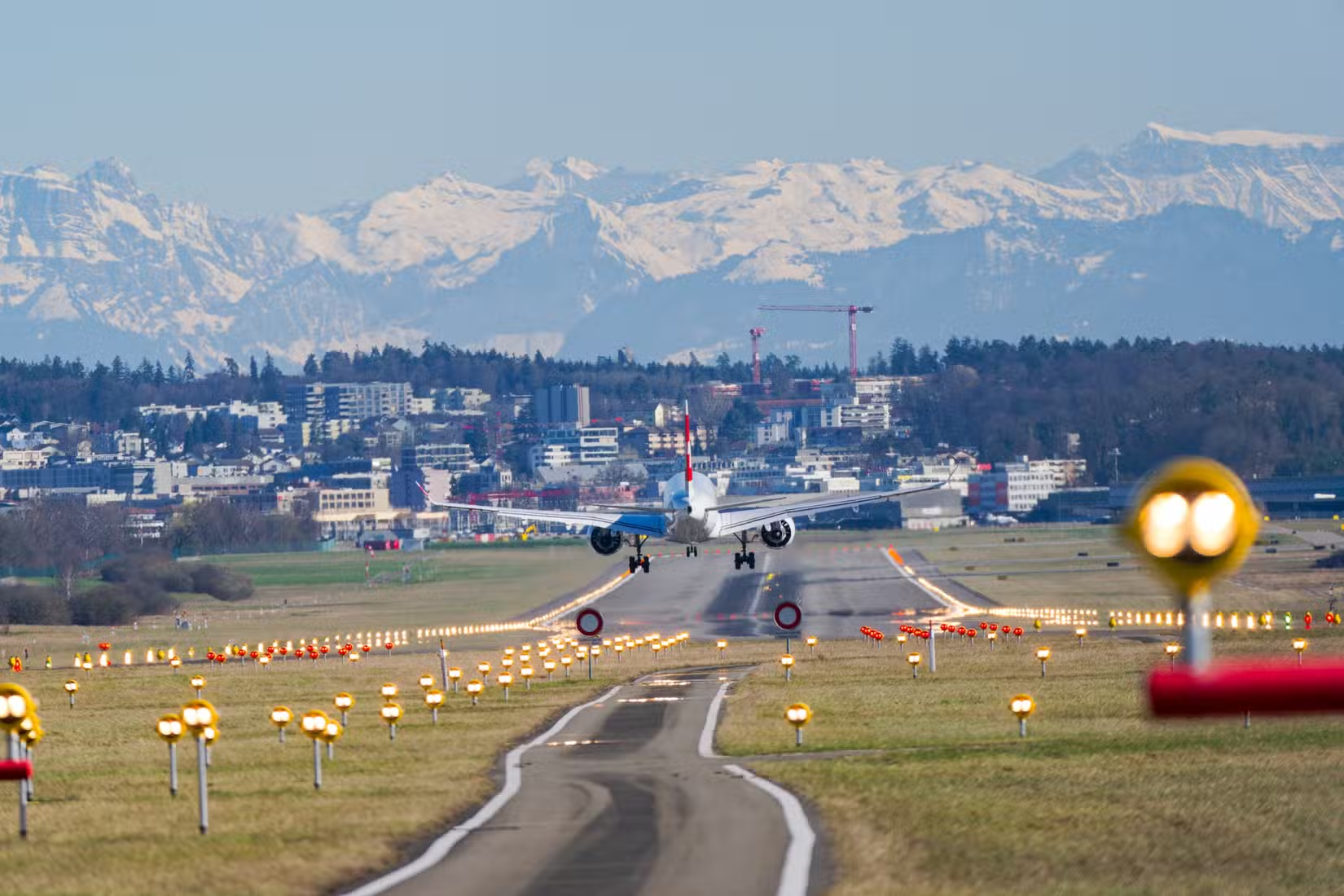
In terms of operational economics, the A220's cost per seat is 25% lower than its predecessor. Based on 500 flight hours per year, annual operating costs are estimated at $3.2 million to $4.1 million. With A-check intervals of 1,000 hours and C-check intervals of 8,500 hours, downtime for maintenance is effectively compressed. The additional 20 seats compared to competitors in its class can translate into approximately $20 million in additional net present value revenue over a 15-year operational life.
Durability issues with the Pratt & Whitney PW1500G engine once caused setbacks for the model. Excluding the impact of groundings, the A220's cost efficiency is typically superior to the Boeing 737 MAX 7/8. As technology matures and reliability improves, its advantages in lightweight design and low operating costs are driving airlines to open more "long, thin routes" between second-tier cities. Airlines such as airBaltic, JetBlue, and Qantas have already utilized the A220 to establish new point-to-point services, bypassing hub airports to improve connection efficiency.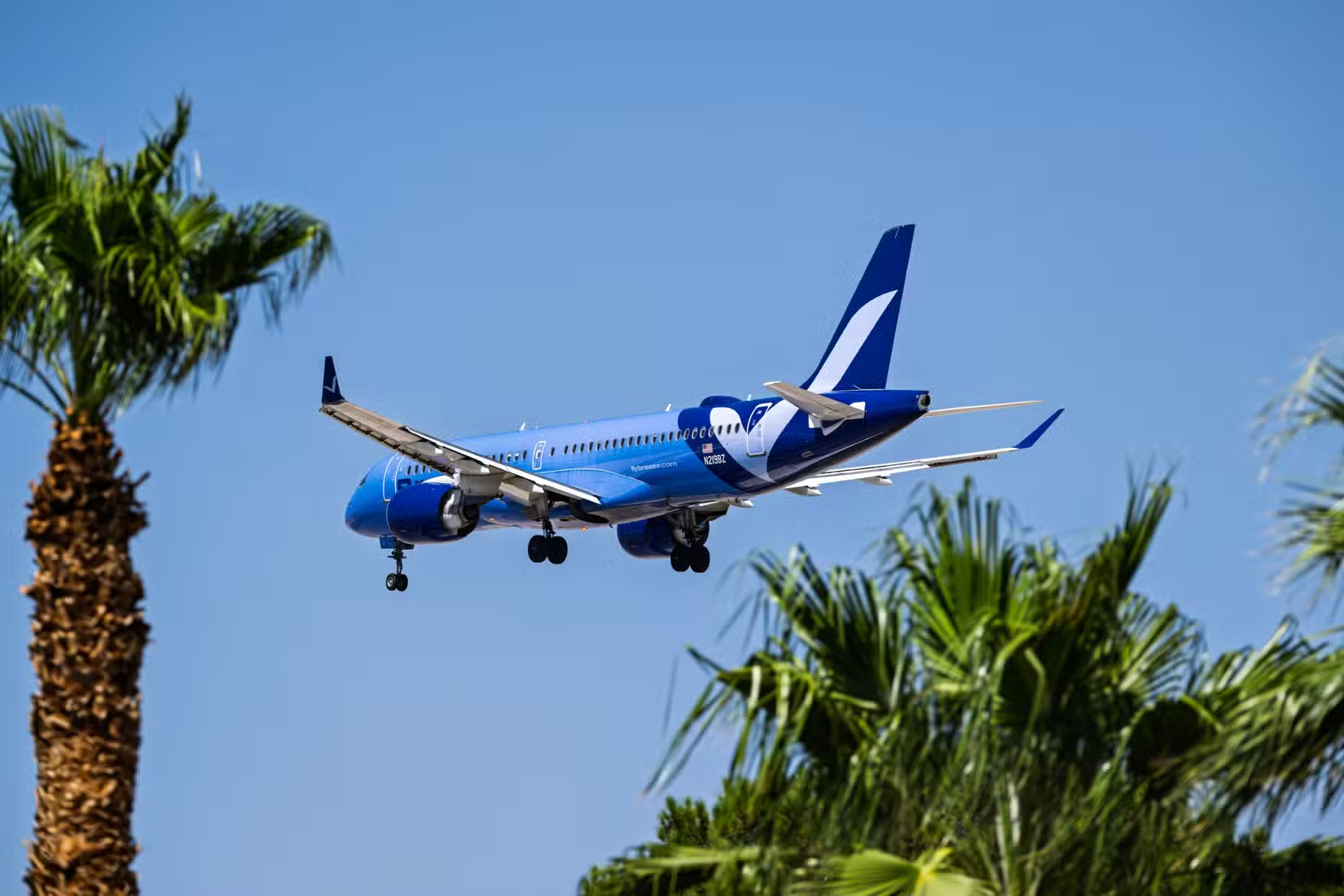
If the stretched A220-500 enters production, its passenger capacity would increase to 160 to 180 seats, filling the capacity gap between the A220-300 and the A320neo. Airbus Canada CEO Benoît Schultz predicts this variant could enter service after 2030 and may introduce an engine option provided by CFM International to mitigate reliance on a single powerplant system.
This article is compiled by Wedoany. All AI citations must indicate the source as "Wedoany". If there is any infringement or other issues, please notify us promptly, and we will modify or delete it accordingly. Email: news@wedoany.com
Related Products
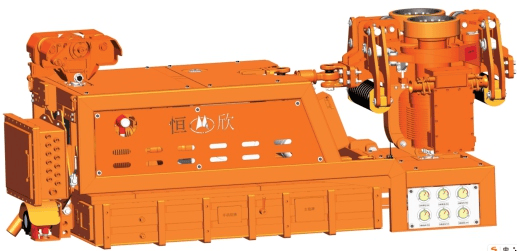

Explosion-proof lithium battery dispatching monorail crane locomotive (permanent magnet frequency conversion integrated machine)
Xiangtan Hengxin Industrial Co., Ltd.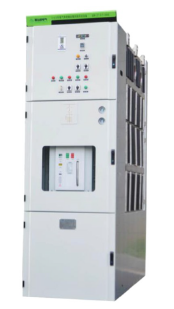
GSR6-27.5kV SF6 Free Gas-insulated Metal-enclosed Switchgear
Zhejiang Juhonkia Intelligent Electric Co., Ltd.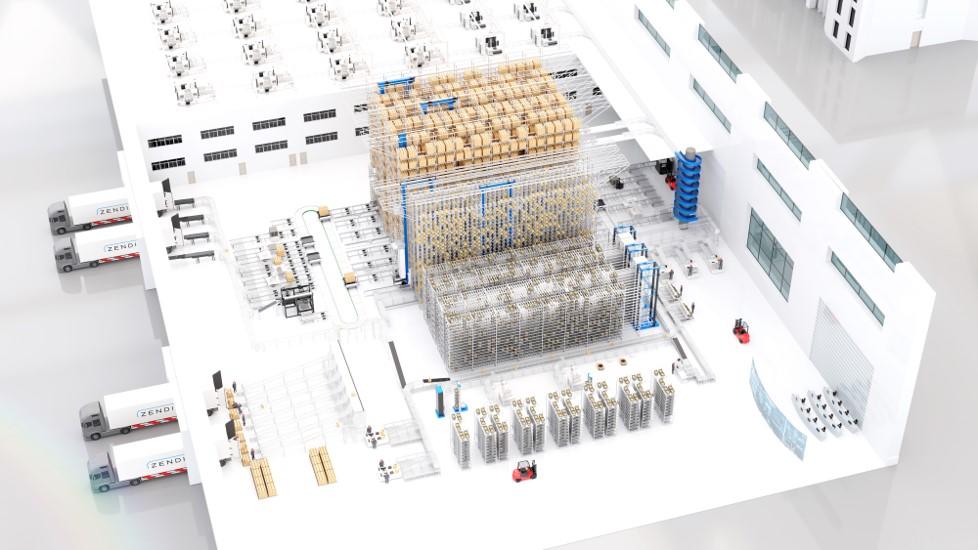
One-Stop Steward Service for the Entire Logistics System Integration Chain
Zhongding Intelligent (Wuxi) Technology Co., Ltd.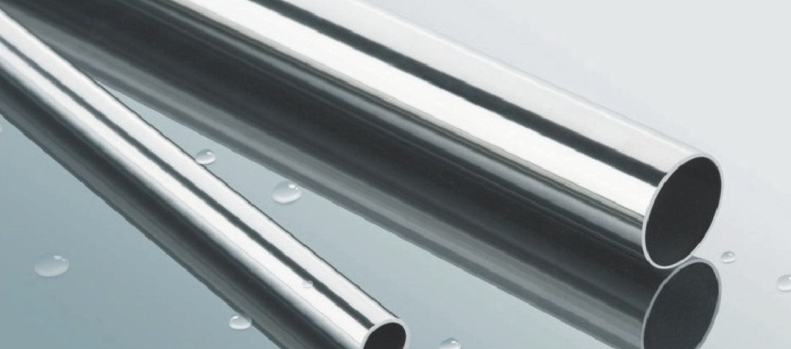
ERW Welded Pipe (Black Pipe and Hot-dip Galvanized Steel Pipe)
Handan Zhengda Steel Pipe Co., Ltd.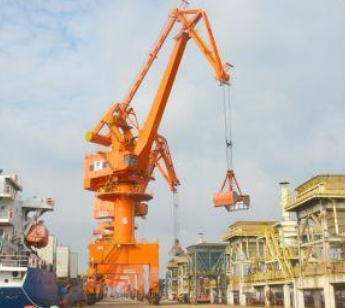
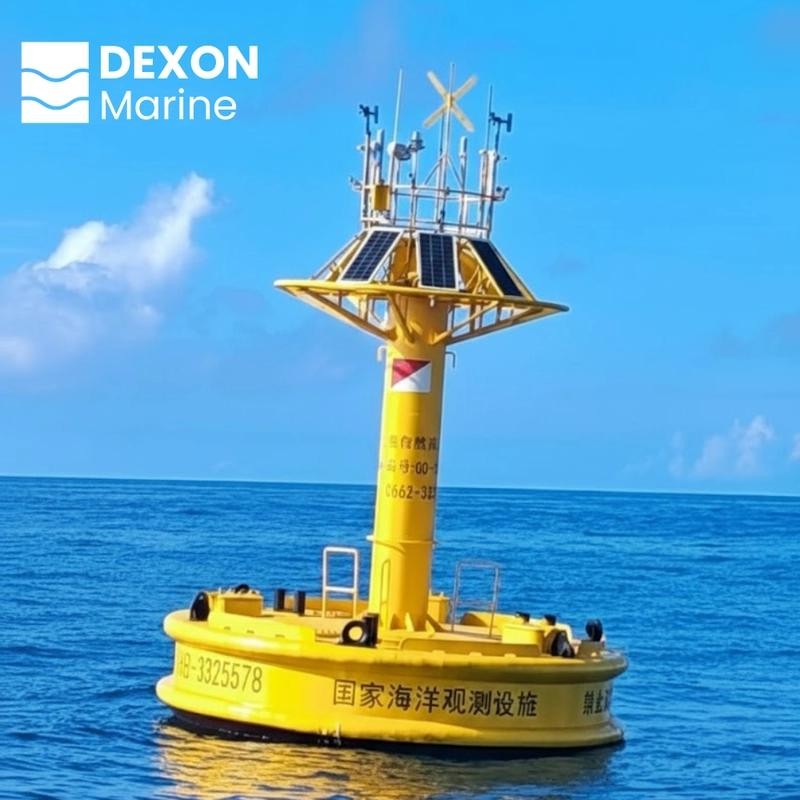
3m intelligent buoy combining navigation safety and real-time marine monitoring integrated navigation and marine monitoring system for real-time maritime data
Chengdu Dixin Technology Co., Ltd.