California Department of Food and Agriculture Report Calls for Increased Funding to Strengthen Pest Prevention System
en.Wedoany.com Reported - A new analysis shows that California's pest prevention system is under strain due to increasing invasive species, staffing shortages, and aging infrastructure. The report, jointly released by the California Department of Food and Agriculture and the California Agricultural Commissioners and Sealers Association, points out that while the system is generally efficient, funding is inadequate relative to the state's $59 billion agricultural sector.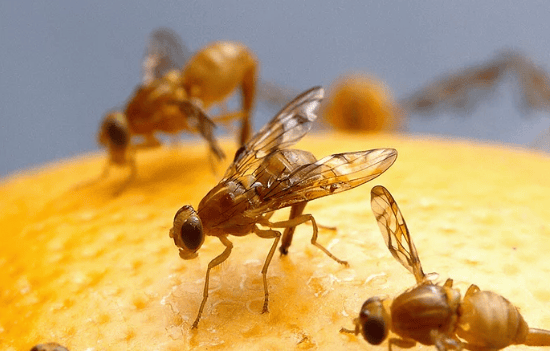
The report views the 2023-2024 fruit fly outbreak as a warning sign, when California implemented seven quarantines for invasive fruit flies—a record high—with state and federal governments sharing approximately $208 million in eradication costs. California Department of Food and Agriculture Secretary Karen Ross stated: "The best investment we can make in our pest prevention system is to prevent pest infestations from occurring in the first place." She emphasized that strengthening inspections and outreach is critical.
Since the last comprehensive review of the state's pest prevention system in the 1990s, California's agricultural value has increased and become more globally significant. California now produces 99% of U.S. walnuts, 95% of plums, 90% of strawberries and citrus, and 70% of lettuce, supplying about one-third of the world's tomato paste. However, funding growth has not kept pace with the complex pest threats brought by global trade, e-commerce, and travel. The report found that established invasive pests already cause an estimated $563 million in annual losses to California's top 20 crops.
Researchers warn that more pests are infiltrating through expanding trade pathways, especially online plant sales. Of 62 e-commerce websites surveyed, only 16 clearly displayed restrictions on plant shipments to California. Border inspection stations check only 7% of incoming vehicles and are often understaffed, while detector dog teams inspect parcel facilities on just 5% of operational days.
Lindsey Carter, Executive Director of the California Agricultural Commissioners and Sealers Association, said: "California is essentially protecting more valuable assets with fewer resources. The return on investment for pest prevention is high, but considering the potential losses—not just to agriculture, but also to natural ecosystems and urban environments—the case for increased funding is overwhelming." The report estimates the state needs over $90 million in one-time investments and more than $25 million annually to modernize facilities, improve staffing, and strengthen pest exclusion programs.
This article is compiled by Wedoany. All AI citations must indicate the source as "Wedoany". If there is any infringement or other issues, please notify us promptly, and we will modify or delete it accordingly. Email: news@wedoany.com
Related Products


MH220E Two-Row Hybrid Packaged Cotton Picker
CHINA RAILWAY CONSTRUCTION HEAVY NDUSTRY XINJIANG CO., LTD.
4HS-8 High-efficiency Peanut Inverted-laying Harvester
Hebei Yongfa Hongtian Agricultural Machinery Manufacturing Co., Ltd.

714CD Series C-Band Weather Radar
Chengdu Zhongdian Jinjiang Information Industry Co., Ltd.
Industrial and Commercial Point-Type Gas Detector
Jinan Benan Technology Development Co., Ltd.