en.Wedoany.com Reported - Canadian telecom operator Telus announced at its Vancouver headquarters on May 11 that it will advance three sovereign AI factory projects in British Columbia, planning a GPU deployment scale exceeding 60,000 units, with total computing capacity expected to surpass 150 megawatts by 2032. According to a Canadian government press release, Artificial Intelligence and Digital Innovation Minister Evan Solomon stated at the announcement site that this cluster will build one of the world's most powerful AI infrastructure systems with the highest environmental sustainability standards.
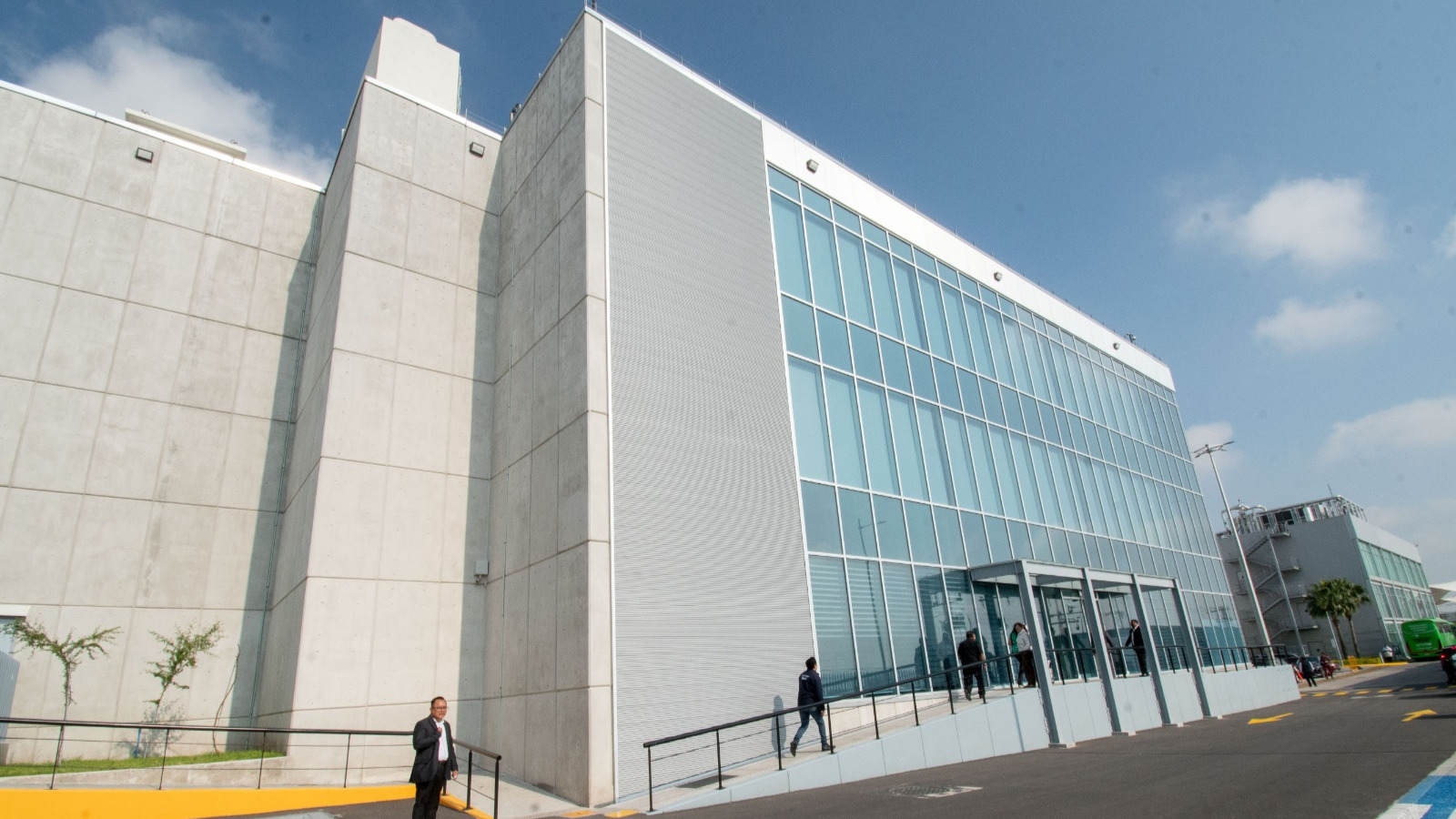
Specific locations and scales for the three projects have been confirmed. The Kamloops project is an expansion of Telus's existing AI data center, covering an area of approximately 20,000 square meters, capable of housing 12,500 GPUs, with a design power of 25 megawatts, scheduled to be operational within this year. The Vancouver Mount Pleasant project (M3 facility) involves the renovation and reuse of an existing building, with a planned area of about 9,300 square meters, deploying 13,000 GPUs, with a design power of 26 megawatts, planned to open in the fourth quarter of 2026 and continue expanding until 2028. The 150 West Georgia project in downtown Vancouver is a new construction, with a planned area of approximately 37,000 square meters, deploying over 50,000 GPUs, with a single-facility design power of 100 megawatts. It has already received municipal approval and is planned to be operational in early 2029.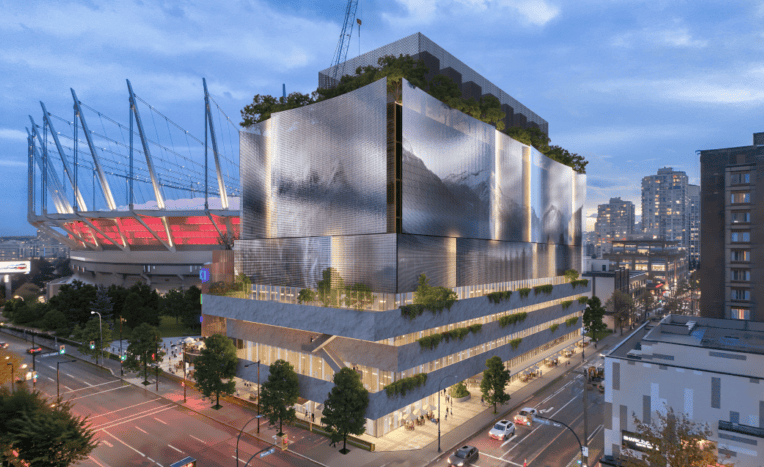
This cluster is the first project to advance under the Canadian federal government's "Large-Scale Sovereign AI Data Center Enablement Program." Canada's Department of Innovation, Science and Economic Development accepted proposals from January 15 to February 15 this year, receiving a total of 160 applications, with the Telus project being the first proposal to enter the advancement phase. The Canadian government's 2025 budget allocates CAD 2 billion for this project over five years; Telus CEO Darren Entwistle stated that the project investment scale is approximately CAD 1 billion, with funding primarily borne by the private sector.
The energy composition and cooling solutions constitute the cluster's notable technical features. Telus has received approval from BC Hydro for an 85-megawatt clean hydropower quota, with 98% of the total power supply for the three-phase facilities coming from renewable energy sources. Regarding cooling, the cluster employs a combination of liquid cooling and closed-loop water cooling technologies, with waste heat recovered through a district pipeline network and fed into the downtown Vancouver building heating system. Entwistle stated at the announcement site that the Greater Vancouver area alone can achieve a waste heat recovery scale sufficient for heating over 150,000 residential units, and the overall cooling system efficiency is twice the global industry average.
Project documents submitted by Telus to the Canadian government show that the three AI factories, once fully completed, will create approximately 1,000 construction jobs and 525 permanent high-skilled operations and maintenance positions, expected to inject approximately CAD 9 billion in economic activity value into British Columbia.
The project sites involve highly urbanized areas. The Mount Pleasant community currently has over 30,000 residents, and downtown Vancouver has tens of thousands. Telus has not responded in detail on how to achieve community integration for large-scale computing facilities in dense urban areas, but its published waste heat recovery plan has been listed as a key measure to mitigate the heat island effect.
Telus's first sovereign AI factory, located in Rimouski, Quebec, Canada, has been fully sold out since becoming operational in September 2025, with current capacity entirely occupied by Canadian domestic enterprises, research institutions, and the public sector. The three new facilities being built in British Columbia will gradually release computing power in a modular, demand-driven manner, prioritizing the needs for AI model training, fine-tuning, and production-level deployment within Canada.
This article is compiled by Wedoany. All AI citations must indicate the source as "Wedoany". If there is any infringement or other issues, please notify us promptly, and we will modify or delete it accordingly. Email: news@wedoany.com
Related Products



Mine Explosion-proof and Intrinsically Safe Industrial Ethernet Ring Network (10 Gigabit/Gigabit)
Chongqing Mas Sci&Tech Co., Ltd.

Industrial and Commercial Point-Type Gas Detector
Jinan Benan Technology Development Co., Ltd.


TWP16 P-Band Tropospheric Wind Profile Radar
China Huayun Meteorological Technology Group Co., Ltd.