Providing "Chinese Solutions" for the Global Energy Market! China Leads the Formulation of 5 International Standards for Natural Gas Published
en.Wedoany.com Reported - The International Organization for Standardization recently officially published five international standards in the natural gas field led by China. Through precise quantitative indicators, these standards will provide "Chinese solutions" for cost reduction, efficiency enhancement, and safety assurance in the global energy market.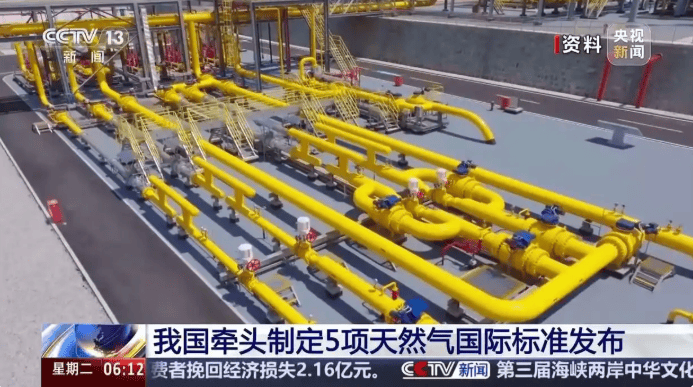
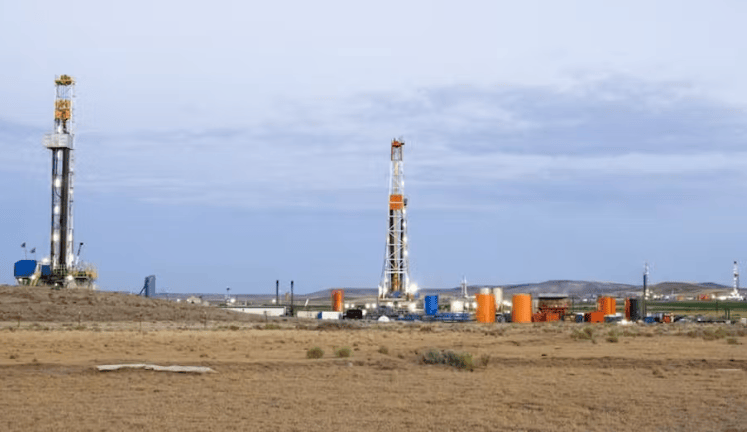
In terms of shale gas development, the series of international standards for "Determination and Calculation of Shale Brittleness Index" led by China addresses the pain points of difficult identification of high-quality reservoirs and high fracturing modification costs in shale gas development. For the first time at the international level, it standardizes the technical framework for fracability evaluation.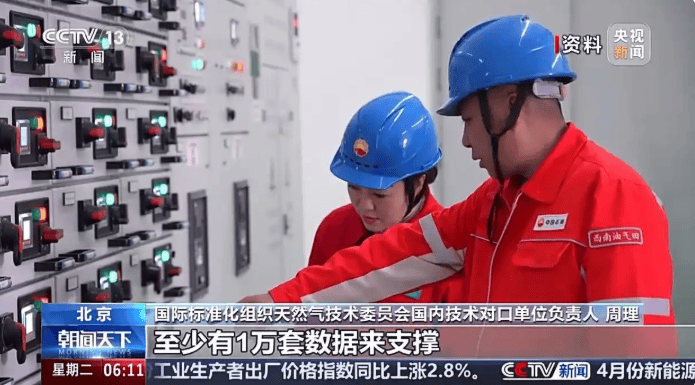
Zhou Li, Head of the Chinese Technical Counterpart Unit for ISO/TC 193, Natural Gas: Especially during the mid-to-late development stage, how to enable more shale gas to be produced quickly and stably is crucial for shale gas development. Basically, each standard is supported by at least 10,000 sets of data.
After applying this standard, the identification accuracy rate of high-quality shale reservoirs is expected to increase by about 10%, which can support the success rate of single-well exploration and development to rise from the industry average of 65% to over 85%. The operating cost of a single shale gas well can be reduced by more than 10%.
In addition, the "Requirements and Test Methods for Slickwater Performance" standard is the first product international standard led by China in the shale gas field. One of the key technologies in shale gas development is hydraulic fracturing, which is equivalent to using high pressure to squeeze out natural gas with liquid, and slickwater is the main working fluid for hydraulic fracturing. This standard systematically regulates the quality requirements and performance testing methods for slickwater, improving testing accuracy to over 90%, which will significantly reduce trade and arbitration disputes.
Two International Standards for Sour Gas Reservoirs Series
Crack the Challenges of Sulfur Deposition and Quality Monitoring in Natural Gas
Among the five international standards in the natural gas field led by China, two involve sour natural gas, which will crack the challenges of sulfur deposition and quality monitoring.
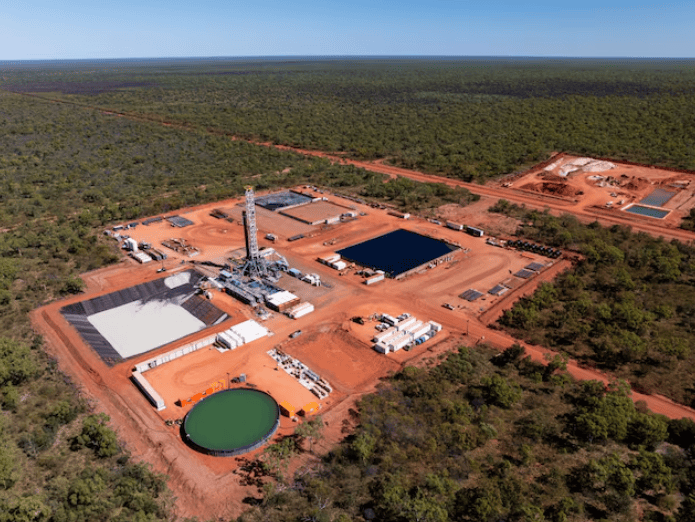
Approximately 40% of the world's proven natural gas reserves are high-sulfur gas reservoirs. This type of natural gas is extremely difficult to develop due to sulfur deposition problems. The newly published "Determination of Elemental Sulfur Solubility by Saturated Dissolution Method" provides a scientific means for safe and clean development. Relying on this standard, sulfur deposition trends can be accurately predicted, a dynamic early warning model for sour gas field development can be established, and key indicator data for optimizing development plans can be provided. It is expected to support an average annual production increase of about 70 million cubic meters for a single gas field.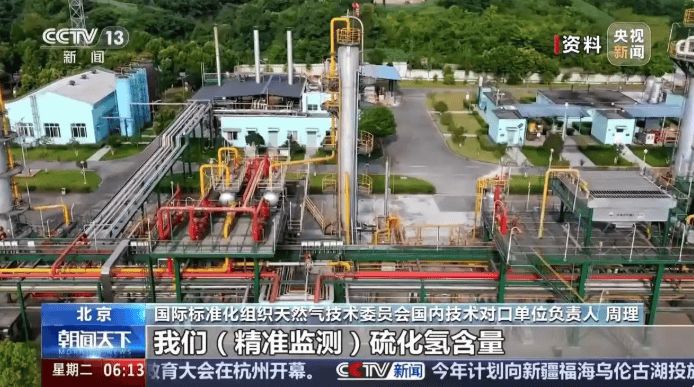
Zhou Li: During the natural gas transportation process, the sulfur content must be controlled at a certain, very low level; otherwise, it can easily corrode pipelines, potentially leading to cracking or perforation. This time, we published an international standard for rapid online monitoring of hydrogen sulfide using an optical method to ensure accurate monitoring of hydrogen sulfide content throughout the entire system.
The international standard "Determination of Hydrogen Sulfide by Laser Absorption Spectroscopy" establishes a high-precision, high-efficiency international unified technical specification for online natural gas monitoring. It enables rapid and accurate detection of corrosive gases like hydrogen sulfide, lowering the detection limit to 0.1 mg/m³, achieving an ultra-fast response of less than 5 seconds, and improving detection efficiency by over 60% compared to traditional methods. Relying on this standard, over 40,000 kilometers of cross-border pipelines globally can achieve real-time and accurate monitoring of hydrogen sulfide content, effectively mitigating the risks of pipeline corrosion and unplanned shutdowns.
China Has Led the Formulation and Publication of 14 International Standards in the Natural Gas Field
To date, China has led the formulation and publication of 14 international standards in the natural gas field. Over one hundred experts have directly participated in the development and revision of international standards in this field, and China has successfully promoted the adoption of its led standards by more than 20 countries across Europe, Asia, and Africa, including the United Kingdom, France, Germany, South Korea, and Kenya. Moving forward, China will continue to promote the integration of technological innovation and standards, bringing Chinese technical standards to the world and contributing Chinese wisdom to the development of the global natural gas industry.
This article is compiled by Wedoany. All AI citations must indicate the source as "Wedoany". If there is any infringement or other issues, please notify us promptly, and we will modify or delete it accordingly. Email: news@wedoany.com
Related Products


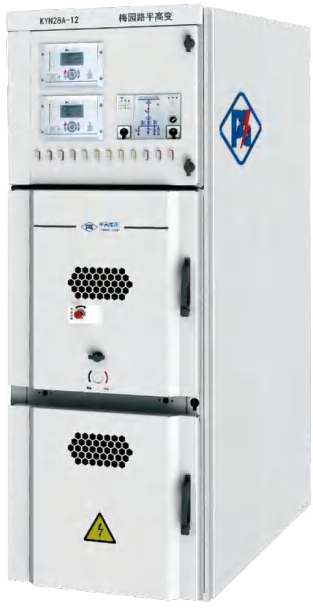
KYN28A-12 Metal Armored Removable Switchgear
Tianjin Ping Gao Intelligent Electric Co., Ltd.


80kW Megawatt Supercharging Module TH80F10030C9
Shijiazhuang Tonhe Electronics Technologies Co., Ltd.
Floating Boat Water Quality Automatic Monitoring System
Hebei Sailhero Environmental Protection High-tech Co., Ltd.
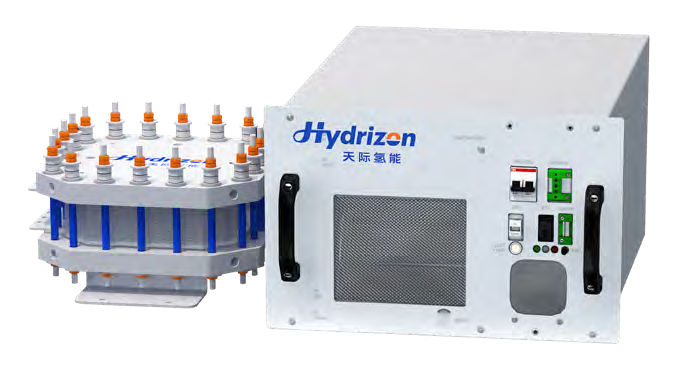
HI-Pro Green Hydrogen High-efficiency Production System-HI-PRO-AEM
Hydrizon Technology (Beijing) Co., Ltd.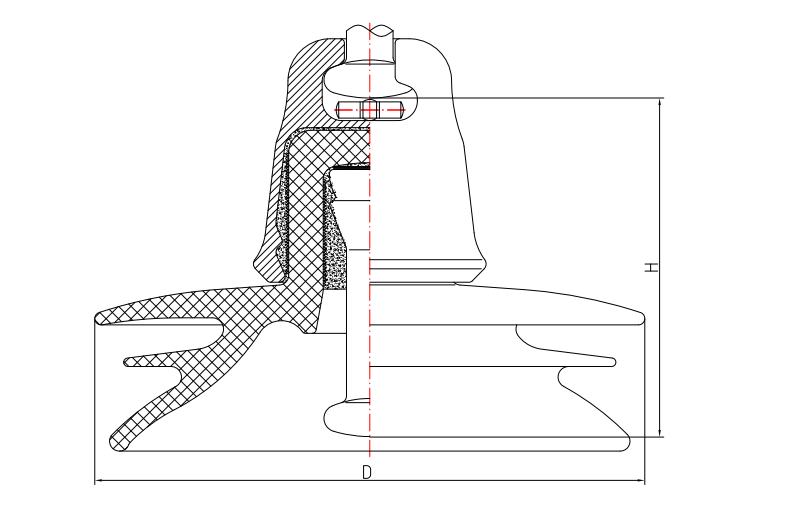
Post-type AC Pollution-resistant Disc Suspension Porcelain Insulator (Triple Umbrella Type)
Shandong High Voltage Insulator Co., Ltd.