India's Construction Equipment Industry Drives Supply Chain-Wide Decarbonization and Circular Transformation
en.Wedoany.com Reported - India's construction equipment industry is entering a critical transformation phase, with annual sales exceeding 140,000 units and an industry valuation approaching $12 billion. Amid large-scale infrastructure expansion, decarbonization has shifted from mere product efficiency improvements to a full value chain responsibility covering raw materials, component manufacturing, logistics, and recycling. According to industry body ICEMA, the organized manufacturing sector's output value is approximately $9.5 billion in 2025, with the unorganized sector contributing over $2 billion. The overall industry size is projected to reach $22.5 billion by 2033.
Sunil Khurana, Chief Operating Officer of JCB India, pointed out that nearly 95% of a manufacturer's carbon footprint comes from Scope 3 emissions: "Sustainability doesn't stop at our products; it goes deep into the supplier ecosystem, from component procurement to transportation and assembly." He stated that JCB is working with hundreds of suppliers to adopt solar energy and improve energy efficiency. Sanjay Sridhar, Director and Head of Purchasing at CNH Industrial India, similarly emphasized that responsible sourcing has become a core criterion for evaluating suppliers, with nearly 10 billion rupees in business awarded to Indian suppliers in the first phase, judged on criteria including energy efficiency, renewable energy use, and carbon impact. Sanjay Saxena, Chief Operating Officer of SANY India, added that the company is collaborating with logistics partners to optimize transportation routes, promote multimodal transport and recyclable packaging to reduce carbon emissions in last-mile delivery.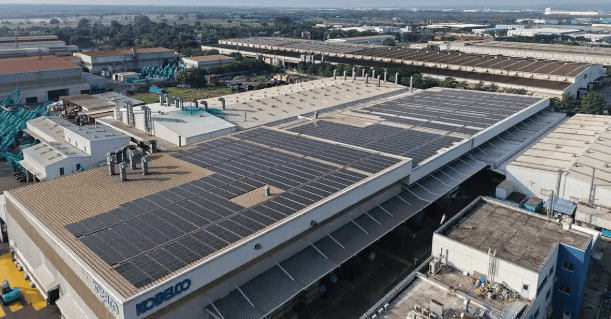
Circularity has become another pillar of supply chain decarbonization. Anand Kumar, Executive Vice President of Tata Hitachi Construction Machinery Division, explained that the company has established a used equipment business and remanufactures high-value components such as pumps and valves, retaining approximately 70% to 80% of their value. Paint sludge is dried and sent to cement plants for use as fuel. Moses Eddy, Director of Kobelco Construction Equipment India, also noted that its "Special Solutions" division offers certified refurbished equipment, extending machine lifespans. Sujit Pai, Industrial Market Director at SKF India, believes that remanufacturing significantly reduces energy and raw material consumption: "Rather than scrapping them, let components gain a new lifecycle."
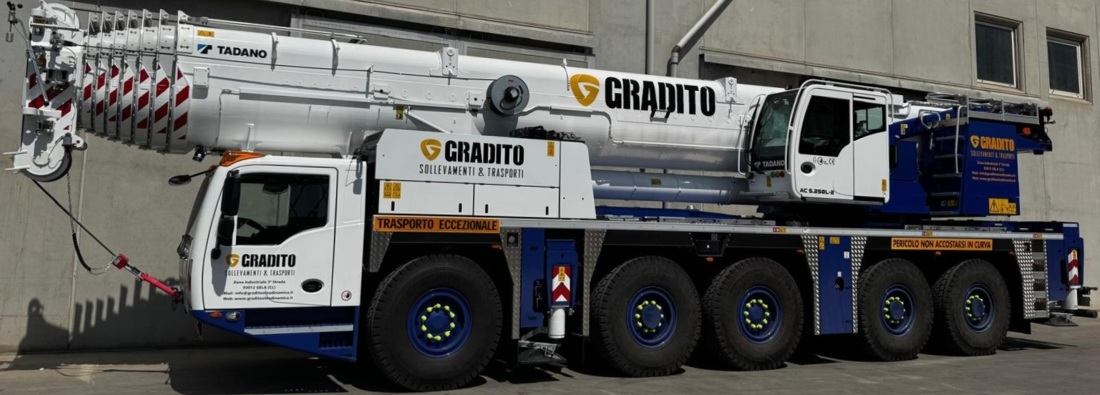
The transition to green equipment is advancing simultaneously. JCB has developed a hydrogen-powered backhoe loader and plans to source 60% of its energy from solar and wind power by 2026. Sunil Khurana stated: "Hydrogen engines have the same power density as diesel, with zero tailpipe emissions. The key lies in building a hydrogen ecosystem." B.D. Mathur, Vice President of Materials at Action Construction Equipment, revealed that the company's first 15-ton electric truck-mounted crane was showcased at bauma 2024 and is currently in the validation phase. Dimitrov Krishnan, Managing Director of Volvo CE India, noted that the Bangalore plant has reduced energy consumption by nearly 30% over five years by relying on solar power and has improved fleet utilization through telematics.
On the policy front, investments such as the National Infrastructure Pipeline are injecting momentum into the industry. Soumyadeep Datta, Head of Flat Products Sales at ArcelorMittal Nippon Steel India, believes that policy stability gives the industry the confidence to invest: "We have achieved a 34% reduction in carbon emissions over a decade and built 1 GW of renewable energy capacity." Several business leaders also mentioned that digital tools such as telematics and AI simulation are helping optimize machine energy efficiency and supply chain transparency. The industry consensus is that decarbonization must run through the entire chain of suppliers, manufacturers, and logistics providers to support India's construction equipment industry in moving towards a more resilient, low-carbon future.
This article is compiled by Wedoany. All AI citations must indicate the source as "Wedoany". If there is any infringement or other issues, please notify us promptly, and we will modify or delete it accordingly. Email: news@wedoany.com
Related Products
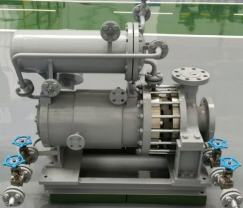

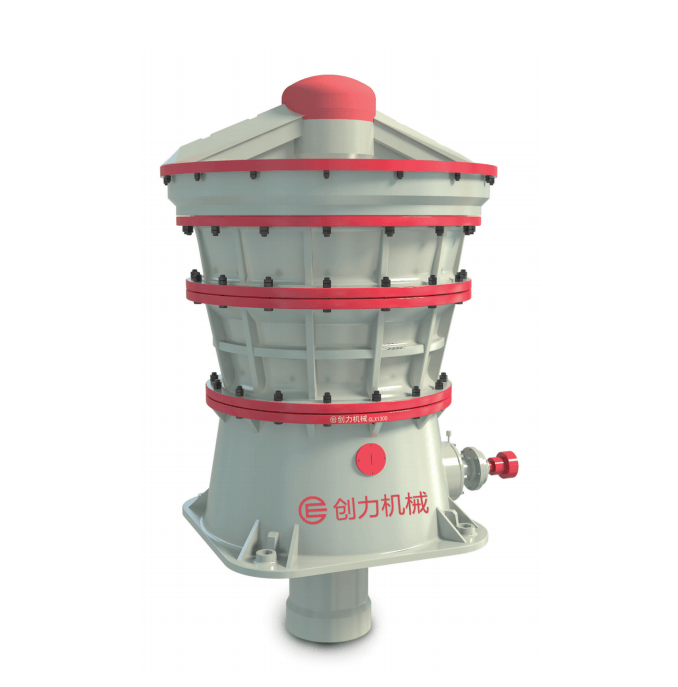
CLX Series Intelligent Hydraulic Gyratory Crusher
Guangdong CHUANGLI intelligent machinery Equipment Co., LTD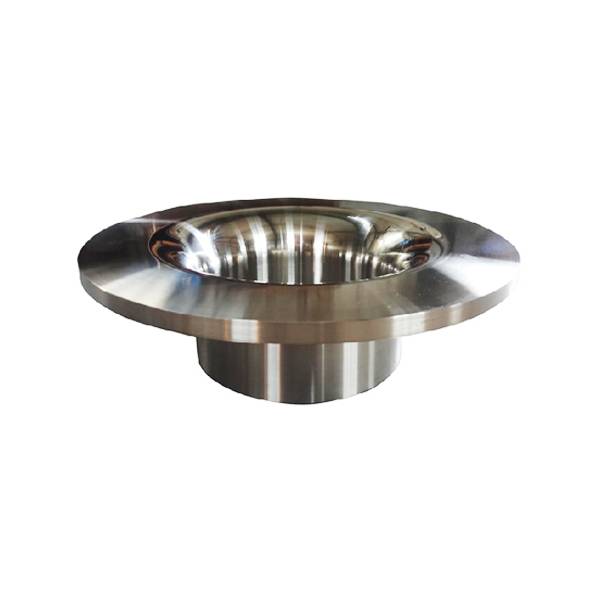
Standard Nozzle Flowmeter
Jinggong Automatic Control Instrument Complete Technology Development Company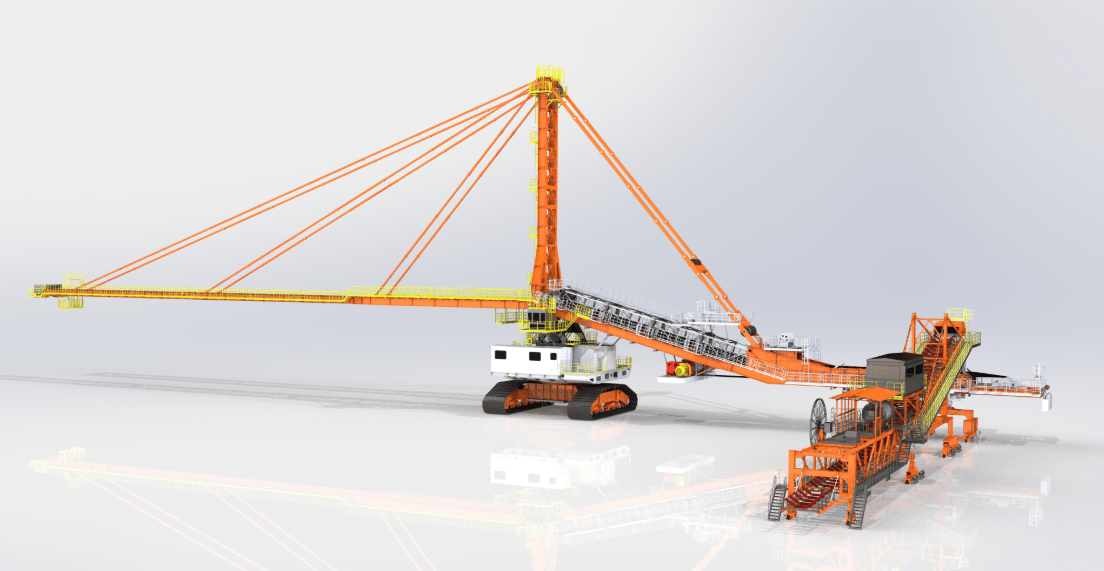
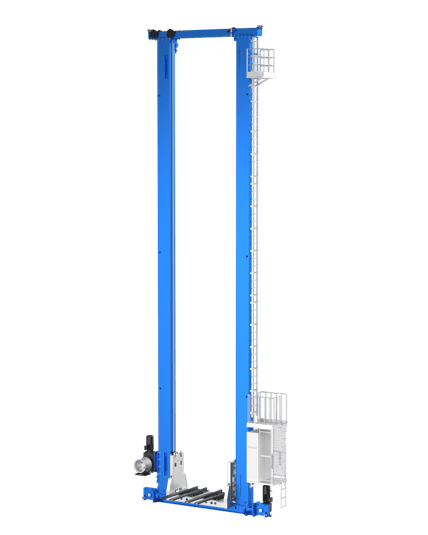
Pallet Solutions Product Line: HD3000 Double-Column Stacker Crane
Zhongding Intelligent (Wuxi) Technology Co., Ltd.
Industrial and Commercial Point-Type Gas Detector
Jinan Benan Technology Development Co., Ltd.
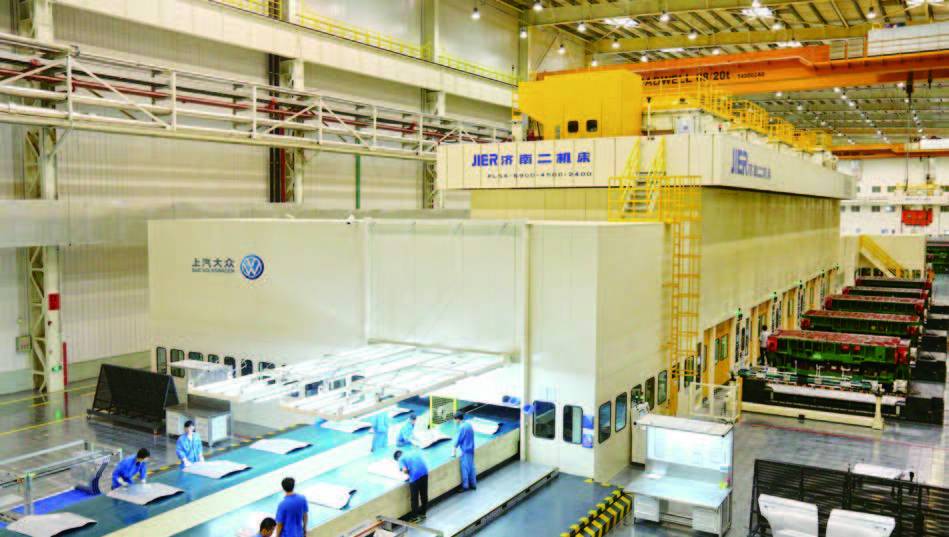
High-Speed Flexible Fully Automatic Stamping Production Line
JIER Machine-Tool Group Co., Ltd.