Kollmorgen AKME Servo Motors from the USA Aid Precise Selection for Hazardous Area Classification
en.Wedoany.com Reported - As automation deepens its penetration into processing, handling, and conveying operations, motors are increasingly required to operate at the edges of hazardous areas. US industrial automation company Regal Rexnor announced that in such environments, explosive gases or combustible dusts are not continuously present but may occur under abnormal conditions or for short periods. The engineering challenge is no longer a simple "hazardous or not," but rather "to what degree is it hazardous, and how frequently does it occur."
Under the ATEX and IECEx frameworks, hazardous areas are divided into different zones. Zone 0 and Zone 20 represent the highest risk, while Zone 1 and Zone 21 apply to locations where a hazardous atmosphere is likely to occur during normal operation. Zone 2 and Zone 22 apply to locations where an explosive atmosphere is not likely to occur in normal operation and, if it does occur, will persist for only a short period. Previously, due to the limited supply of servo motors specifically designed for Zone 2 and Zone 22 applications, equipment manufacturers often defaulted to the highest-level solutions. Explosion-proof motors designed for Zone 1 are typically capable of withstanding and containing an internal explosion, featuring thick, heavy housings, but are bulky, heavy, and costly.

The design goal for servo motors intended for Zone 2 and Zone 22 environments is not to contain an explosion, but to reduce the likelihood of ignition under abnormal conditions. Kollmorgen developed ATEX/IECEx certified servo motors based on its proven AKM servo platform, applying targeted enhancements to meet Zone 2 and Zone 22 requirements. For Zone 2 gas atmospheres, the motors utilize Increased Safety and Encapsulation protection types; windings are vacuum impregnated to isolate conductive parts, and the design meets T4 temperature class requirements. For Zone 22 dust atmospheres, protection is achieved through IP67 rated shaft seals and connector sealing. Since the motor is not required to withstand an internal explosion, thick-walled housings or flameproof joints are unnecessary. The final product is compact and lightweight, retaining the torque density, dynamic performance, and installation flexibility of modern servo motors.
Scenarios such as robotic handling systems transferring components from a welding cell to a paint booth, servo-controlled gate valves metering fine powders in pharmaceutical production, grain handling systems, and textile operations all represent transitional zones between conventional automation and classified hazardous areas. As automation continues to expand into dust and gas-sensitive environments like food production, pharmaceutical processing, and advanced coating, the middle ground between standard industrial servo motors and fully explosion-proof designs will become increasingly important.
Kollmorgen, a brand under the Regal Rexnord Corporation, has over 100 years of motion control experience, offering products including motors, drives, AGV control solutions, and automation control platforms.
This article is compiled by Wedoany. All AI citations must indicate the source as "Wedoany". If there is any infringement or other issues, please notify us promptly, and we will modify or delete it accordingly. Email: news@wedoany.com
Related Products


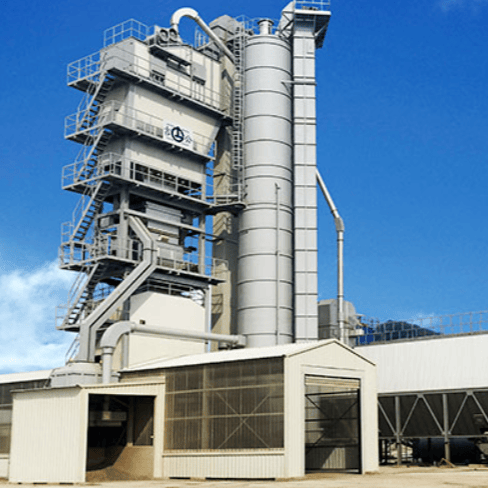
LBH4000 Batch Environmental Protection Asphalt Mixing Plant | Asphalt Batching Plant | Asphalt Mixing Plant
Jilin Province Road Construction Machinery Co., Ltd.
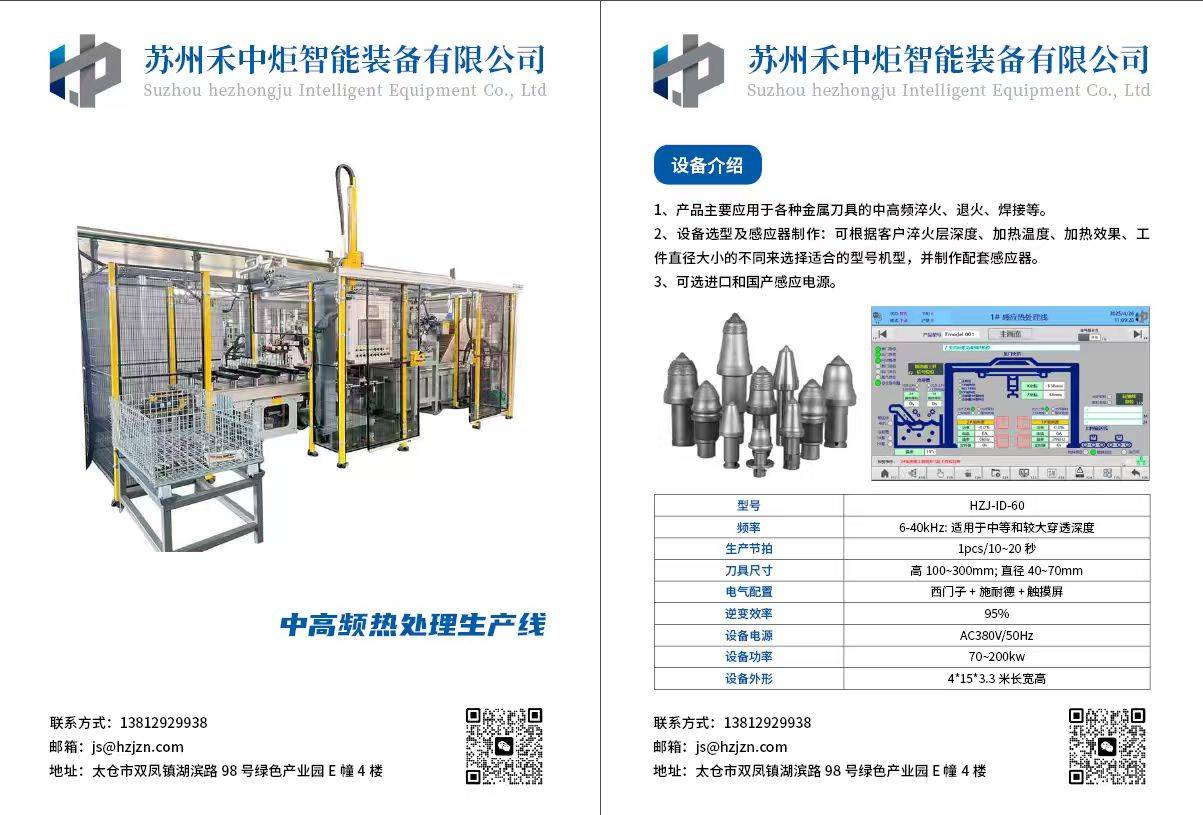
Excavator Bucket Teeth Heat Treatment Production Line
Suzhou Hezhongju Intelligent Equipment Co., Ltd.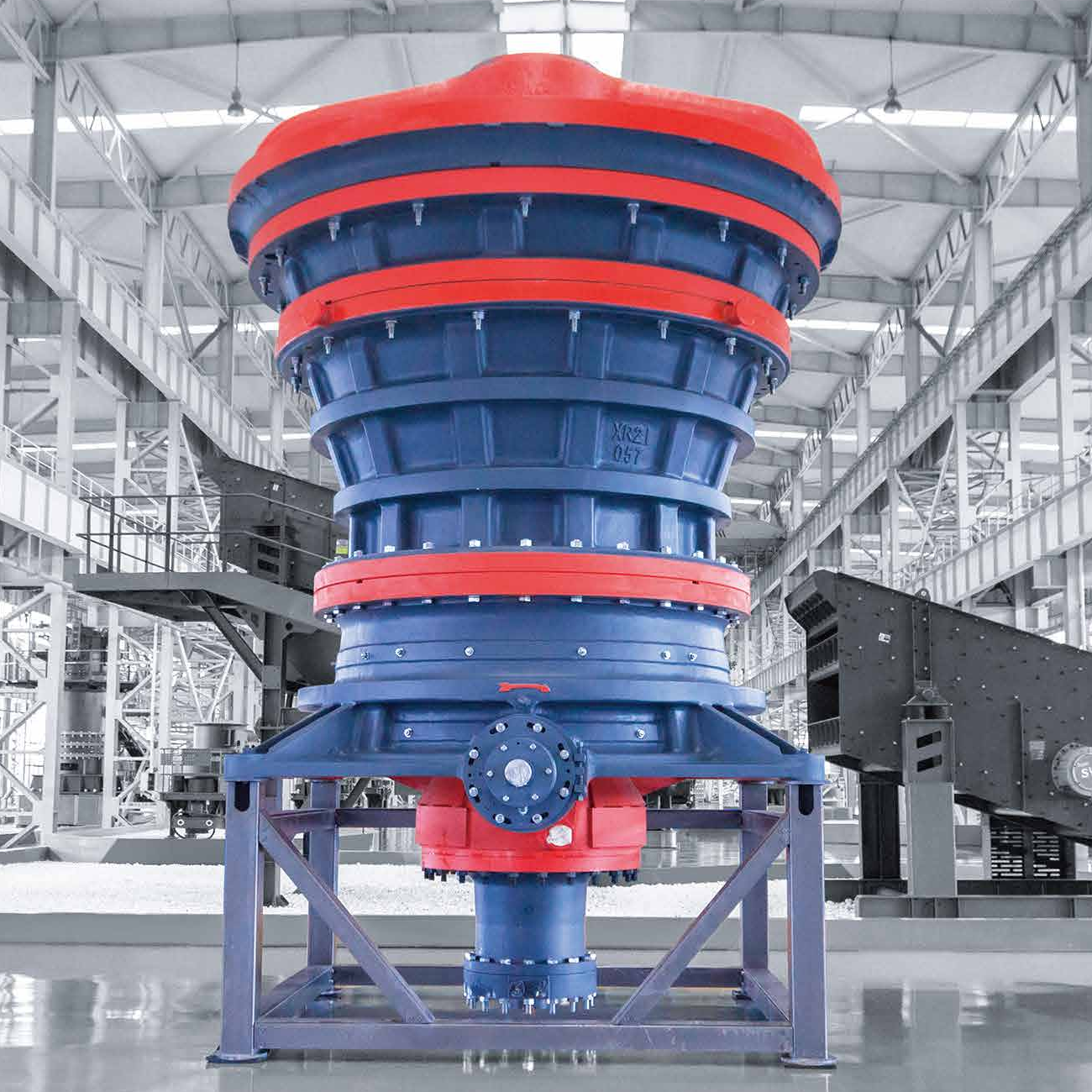

Pneumatic high-pressure wear-resistant ball valve
Zhejiang Deca Control Valve Meter Co., Ltd.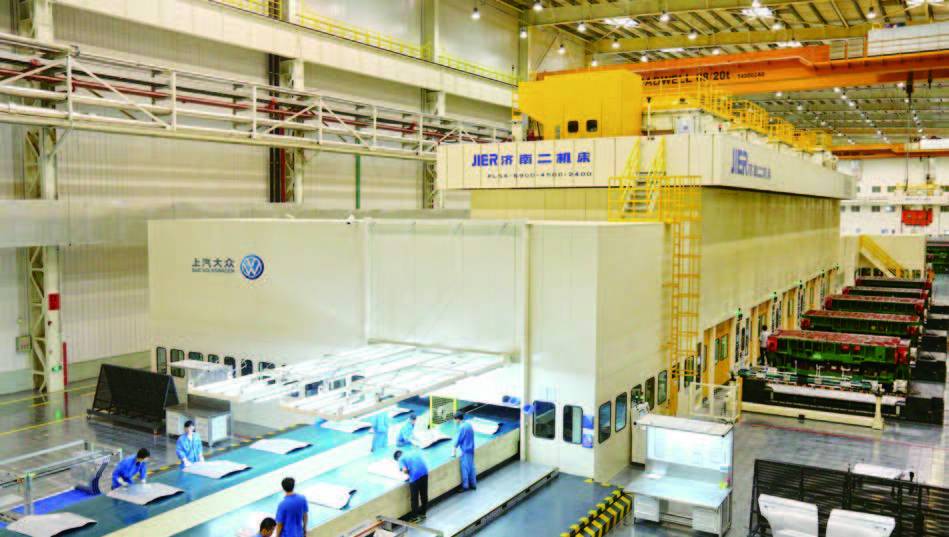
High-Speed Flexible Fully Automatic Stamping Production Line
JIER Machine-Tool Group Co., Ltd.
CAP1400 main feedwater flow nozzle flowmeter.
Jiangsu Hongda Instrument Technology Co., LTD.