Germany Launches FOSTA P 1797 Screw Fatigue Study Until End of 2027
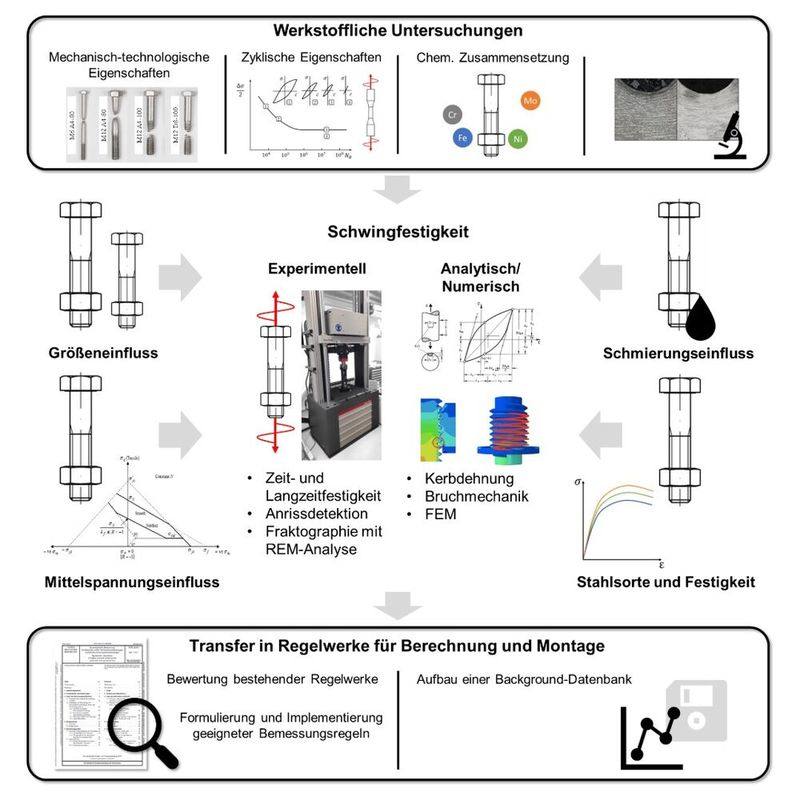
en.Wedoany.com Reported - Hochschule Wismar, University of Applied Sciences, together with the Fraunhofer Institute for Large Structures in Production Engineering IGP Rostock, in cooperation with industrial partners such as Sonderschrauben Güldner, has launched the research project "FOSTA P 1797 – Fatigue Durability Assessment of Stainless Steel Screw-Nut Connections under High-Cycle Loading for Mechanical Engineering," which will run until December 2027.
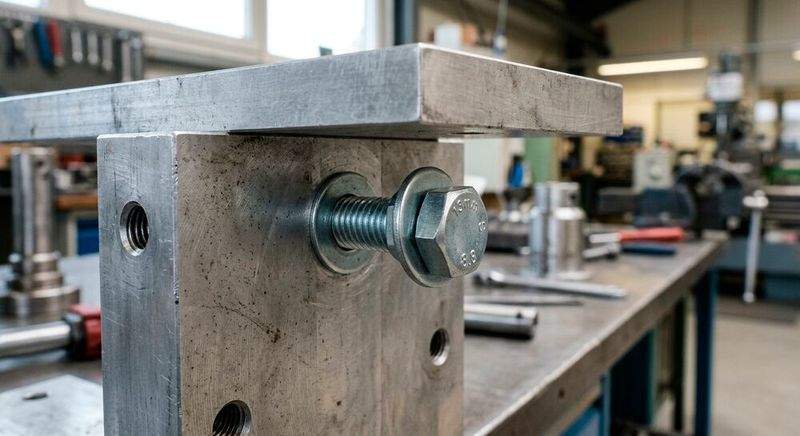
Stainless steel screws are commonly found in industrial sectors where components must withstand mechanical loads while offering high corrosion resistance. Many connections in mechanical and plant engineering, energy technology, and marine environments are subjected to long-term cyclic loading. The design of such connections is largely based on VDI 2230 Blatt 1 (2015 edition), which is globally recognized as the reference standard for screw connection calculations. Screw connection design is based on fatigue durability, but screw-nut connections made of stainless steel have so far been insufficiently researched and documented in this regard – this is precisely where the FOSTA P 1797 project comes in.
The project is conducted within the framework of industrial joint research, funded by the German Federal Ministry for Economic Affairs and Energy (Bundesministerium für Wirtschaft und Energie) following a resolution of the German Bundestag, with the German Aerospace Center (DLR) serving as the project executing agency. The project aims to answer questions arising from practice: preliminary studies show that austenitic and austenitic-ferritic stainless steel screws sometimes exhibit different behavior in the high-cycle fatigue region compared to carbon steel screws. Carbon steel screws are generally considered to have a distinct fatigue limit, whereas the fatigue limit of stainless steel screws is not clearly defined, and fractures can still occur in the high-cycle region.
This means that existing assumptions may be overly optimistic, which could have a direct negative impact on component safety and screw connection design. Uncertainties in design, combined with an overestimation of fatigue strength (Schwingfestigkeit) in the high-cycle region, can lead to unexpected and rapid damage and failure, posing product and safety risks and incurring costs for damage remediation. Shortened product service life may also cause reputational damage to companies.
Related Products
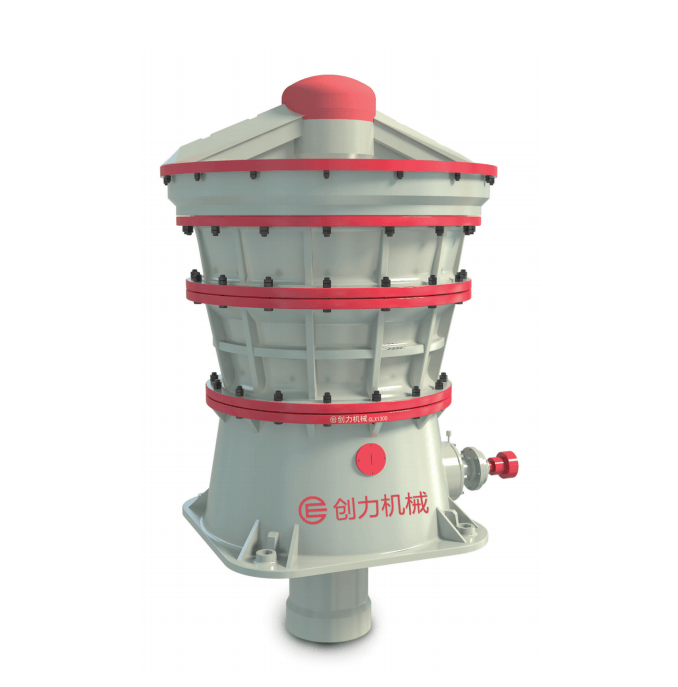

CLX Series Intelligent Hydraulic Gyratory Crusher
Guangdong CHUANGLI intelligent machinery Equipment Co., LTD
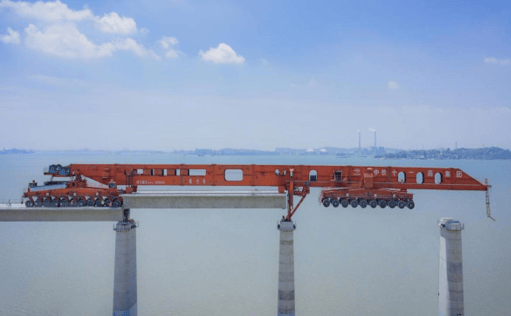
High-Speed Railway Lifting, Transporting, and Erecting Equipment: Integrated Transport and Erection Machine
Hanjiang Heavy Industry Co., Ltd. of China Railway 11th Bureau Group
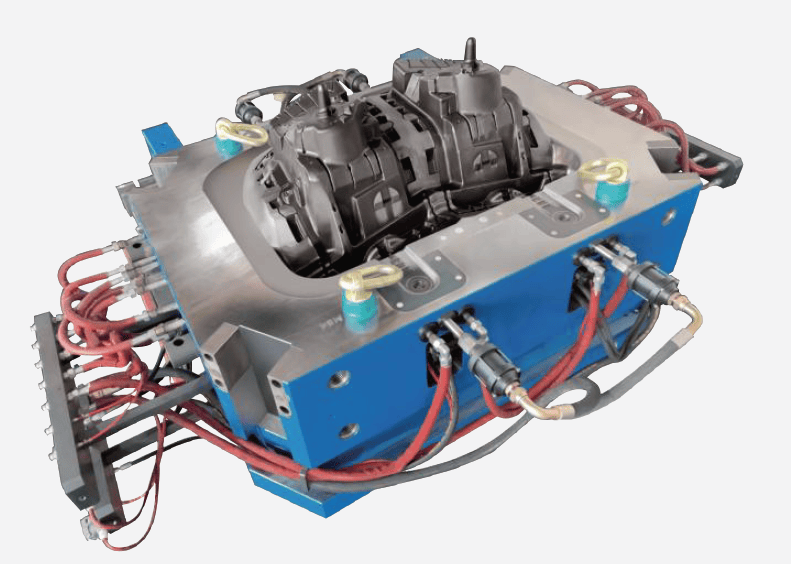
Aluminum-Magnesium Alloy High-Pressure Die-Casting Molds
NINGBO HELI TECHNOLOGY CO., LTD.
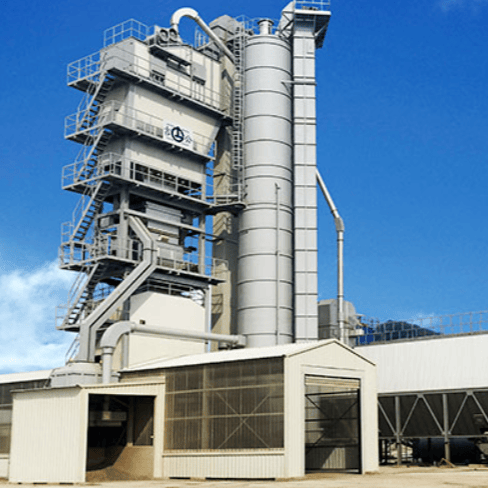
LBH4000 Batch Environmental Protection Asphalt Mixing Plant | Asphalt Batching Plant | Asphalt Mixing Plant
Jilin Province Road Construction Machinery Co., Ltd.