German University Collaborative Research Achieves Breakthrough in Laser-Based Nanoparticle Production Productivity
en.Wedoany.com Reported - A collaborative research project between Munich University of Applied Sciences and the University of Duisburg-Essen has achieved a breakthrough in the field of laser-based nanoparticle production. In his doctoral thesis, researcher Dr. Maximilian Spellauge systematically investigated the mechanisms of laser-based nanoparticle generation in liquids, achieving two key results: the maximum power-specific productivity for laser ablation of gold in liquids reached 75 milligrams per hour per watt, nearly tripling the previous record of 21 mg/h/W; while the productivity for the fragmentation of single microparticles reached 720 mg/h/W, an increase of approximately one order of magnitude.
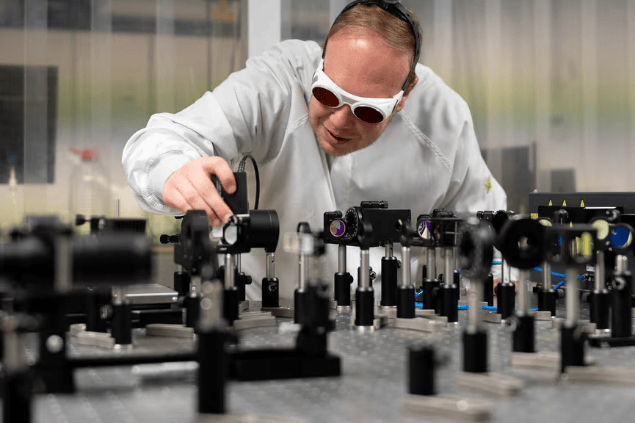
The research used single-pulse experiments to eliminate interfering factors such as bubbles and pre-existing particles, employing transmission-reflection measurements and pump-probe microscopy to track the complete process of laser-matter interaction. Spellauge discovered that two formation mechanisms exist during gold ablation in liquids: evaporated material condenses into tiny particles smaller than ten nanometers, while mechanically loosened surface layer decomposition produces larger particles in the tens of nanometers range. The efficiency in a liquid environment is approximately four times lower than in air, with some ablated material falling back. Furthermore, in the study of single gold microparticle fragmentation, he identified three mechanisms: photothermal phase explosion, spallation, and pressure focusing. Among these, pressure focusing enhances local pressure through the superposition of pressure waves, promoting particle fragmentation. Approximately two percent of the absorbed energy is converted into new particle surfaces, significantly higher than the 0.1 percent observed in solid ablation.
Spellauge stated: "The results show that the fragmentation of individual particles is energetically significantly more efficient than the ablation of solids in liquids. At the same time, it clarifies which physical mechanisms determine particle size—and how we can specifically control these sizes in the future." This research requires no chemical additives, aligns with the principles of green chemistry, and holds application prospects in fields such as catalysis and sustainable energy technologies. Spellauge was awarded the Oskar von Miller Prize by Munich University of Applied Sciences on April 23, 2026, for this thesis.
This article is compiled by Wedoany. All AI citations must indicate the source as "Wedoany". If there is any infringement or other issues, please notify us promptly, and we will modify or delete it accordingly. Email: news@wedoany.com
Related Products

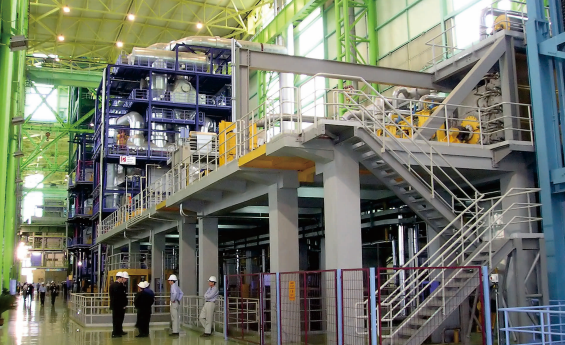
Strip Coating and Plating Production Line Equipment
MCC-SFRE HEAVY INDUSTRY EQUIPMENT CO., LTD.
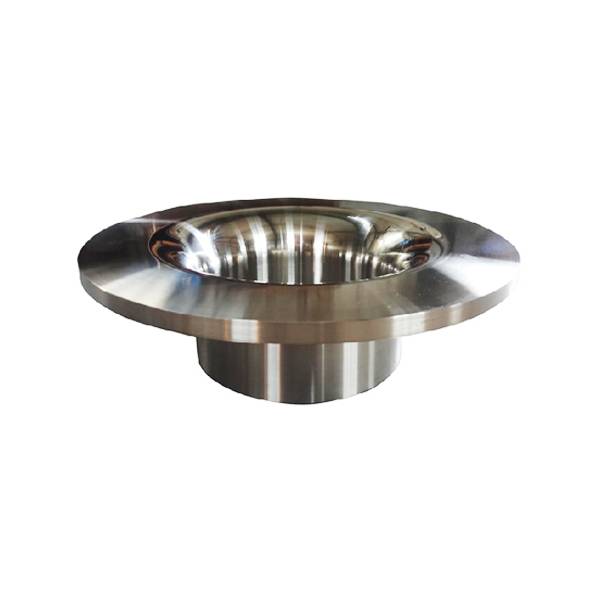
Standard Nozzle Flowmeter
Jinggong Automatic Control Instrument Complete Technology Development Company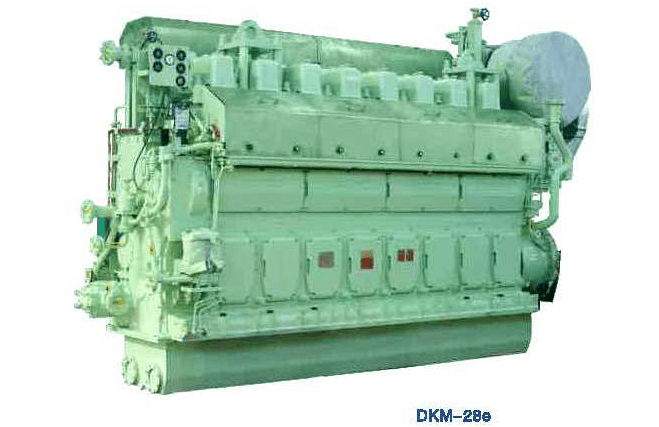
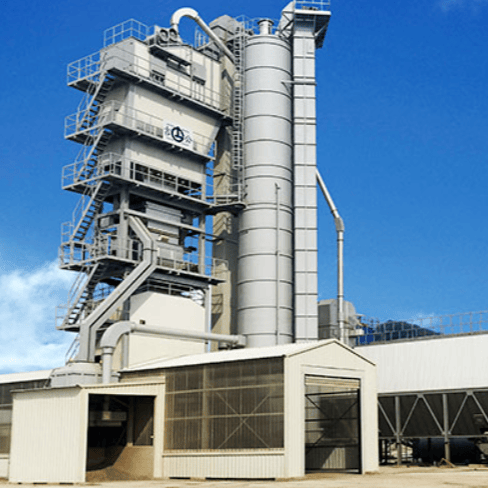
LBH4000 Batch Environmental Protection Asphalt Mixing Plant | Asphalt Batching Plant | Asphalt Mixing Plant
Jilin Province Road Construction Machinery Co., Ltd.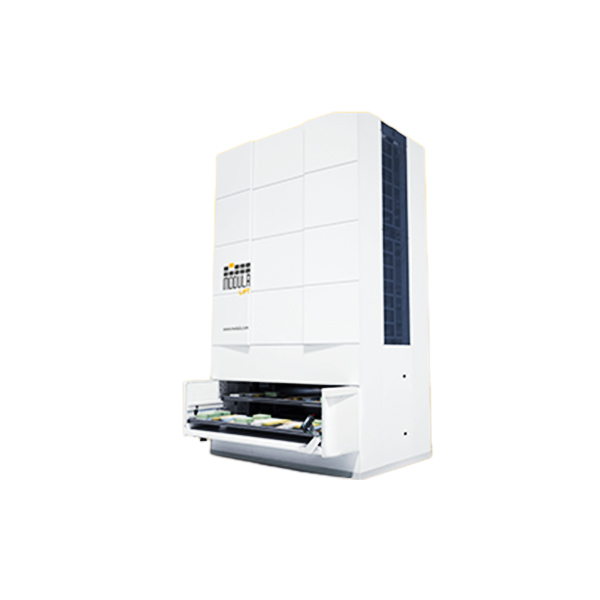

High-Speed Railway Lifting, Transporting, and Erecting Equipment: Integrated Transport and Erection Machine
Hanjiang Heavy Industry Co., Ltd. of China Railway 11th Bureau Group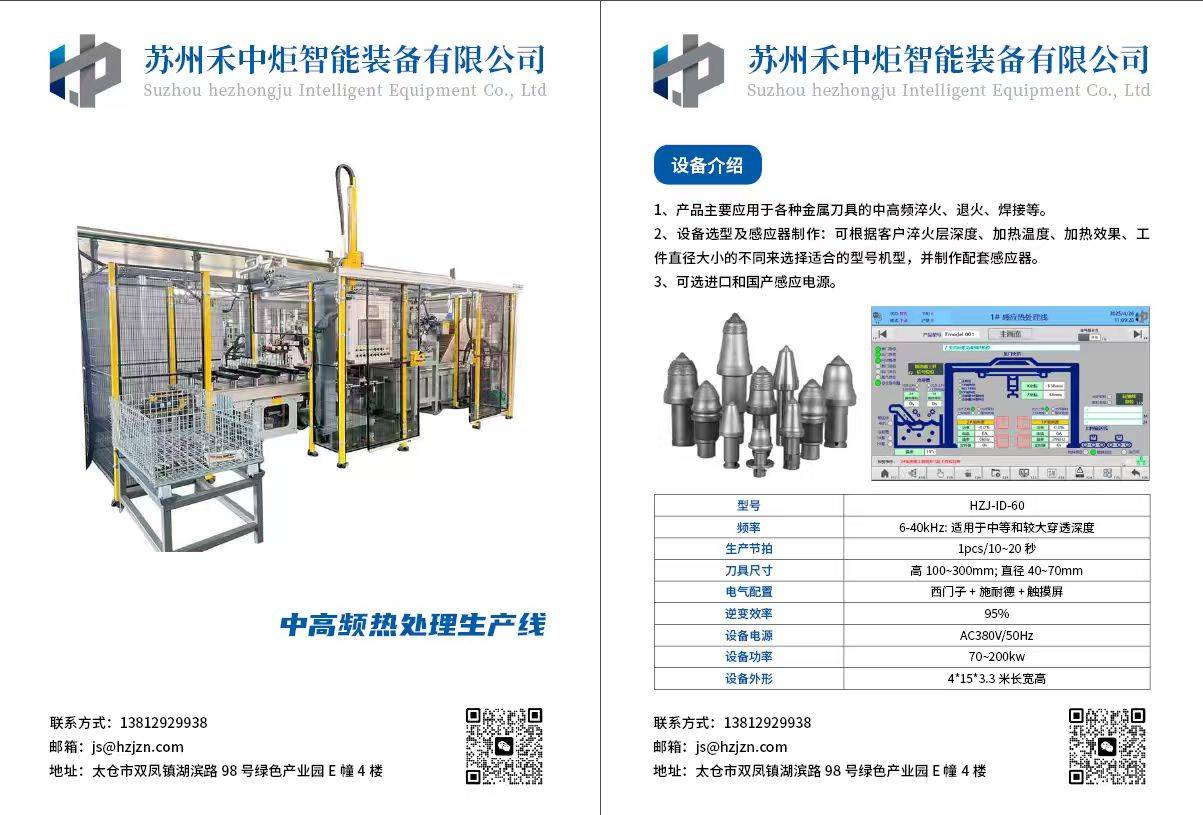
Excavator Bucket Teeth Heat Treatment Production Line
Suzhou Hezhongju Intelligent Equipment Co., Ltd.