China Mobile Hubei Releases "Lingban Computing Network," Integrated Computing-Network Services for Seven Major Industries Debut in Wuhan
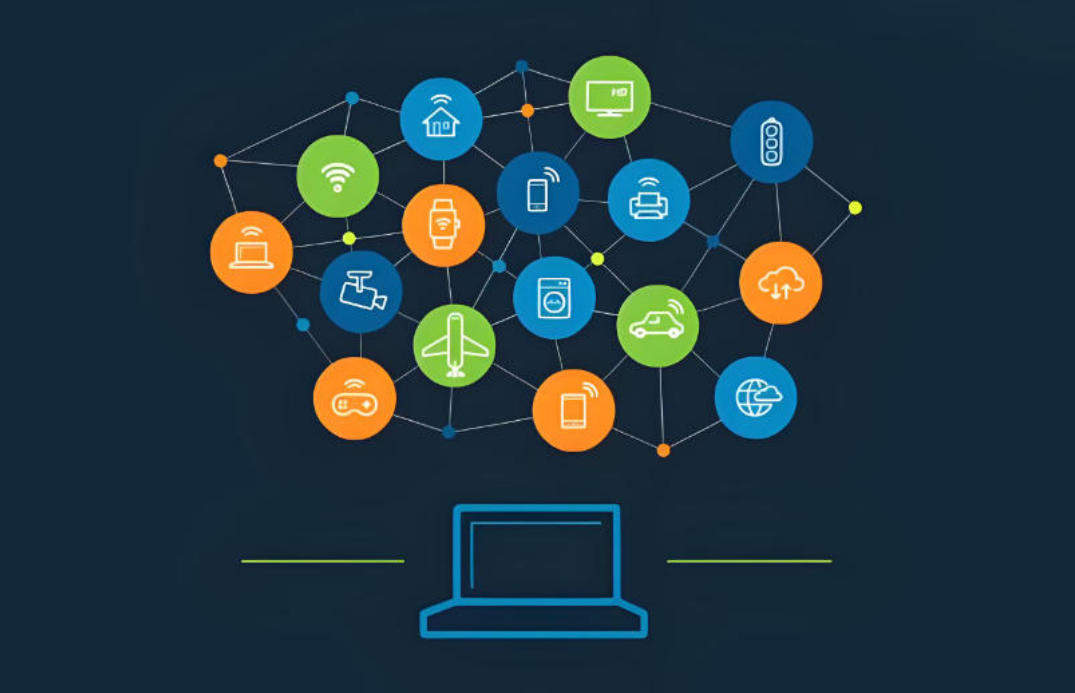
en.Wedoany.com Reported - China Mobile Hubei Company recently officially launched the "Lingban Computing Network" integrated computing-network service system in Wuhan, simultaneously introducing integrated computing-network services tailored for seven major industries: government affairs, water conservancy, manufacturing, finance, healthcare, education, and cultural tourism. Hubei Mobile positions "Lingban Computing Network" as a computing power partner for enterprises and industries. "Ling" refers to the intelligent scheduling and millisecond-level response of the computing network brain, "Ban" refers to companion-style services, and "Computing Network" emphasizes the deep integration of computing power and networks. The goal is to make computing power as accessible as water and electricity, available on demand. 
Liangjiang Design, a Wuhan-based enterprise focusing on AI industrial design and brand innovation, was among the first to access the integrated computing-network capabilities of the "Lingban Computing Network." Millisecond-level response from cloud computing power and local operations that feel no distance from the cloud have directly broken the long-standing work pattern of designers staying up late to revise drafts and waiting for lengthy rendering on local workstations. Real-time rendering and rapid visualization of complex 3D models enable a "what you conceive is what you get" creative process, solving the long-term pain point in the industrial design field of "creativity waiting for computing power."
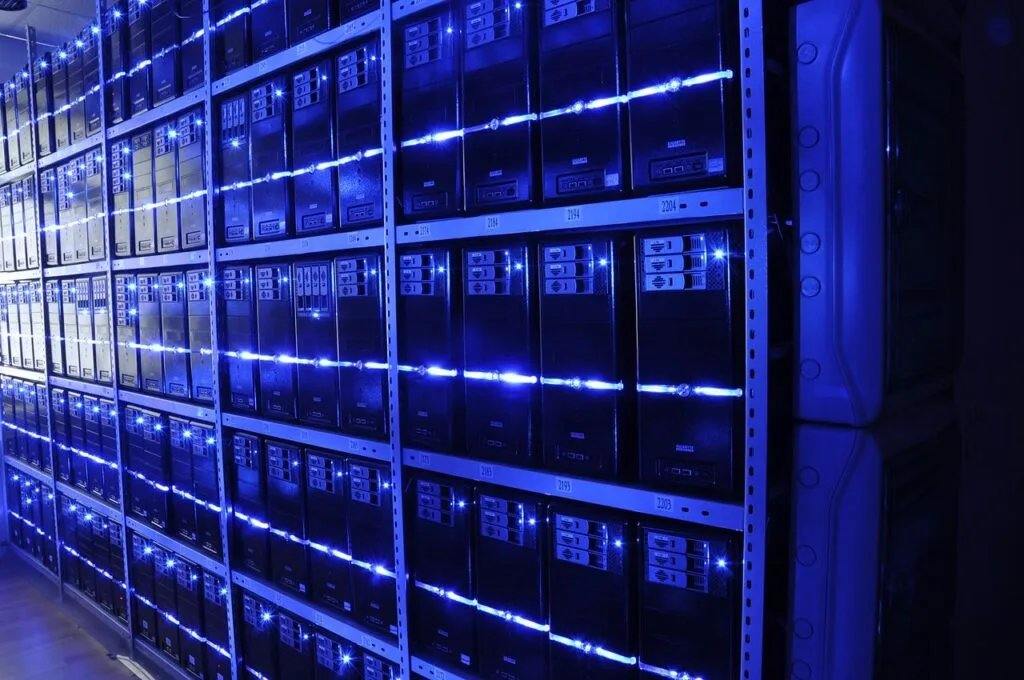
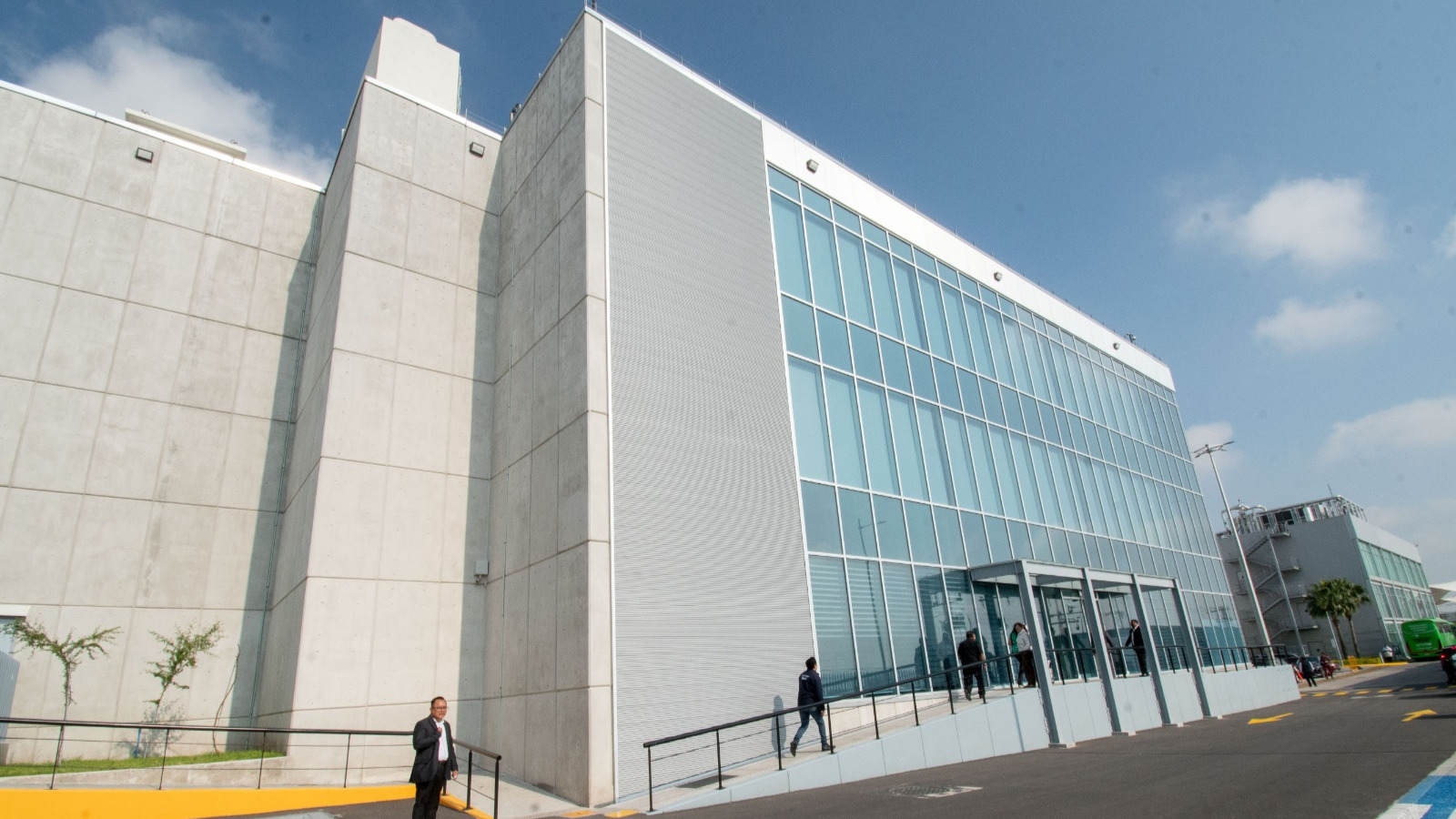
The foundation of the "Lingban Computing Network" is the China Mobile Intelligent Computing Center (Wuhan). This center is the largest intelligent computing center in the Central China region, with currently operational computing power of 2588 PFLOPS, a maximum capacity of 27,000 GPUs, and deployment of dual-thousand-card, dual-plane clusters featuring both international mainstream and domestically controlled technologies, providing stable, high-performance intelligent computing services. The center has established a "1-5-7-10" millisecond latency circle—1 millisecond within the same city, 5 milliseconds within the province, 7 milliseconds across the Yangtze River Economic Belt, and 10 milliseconds to the eight national computing hub nodes, covering Central China and radiating nationwide.
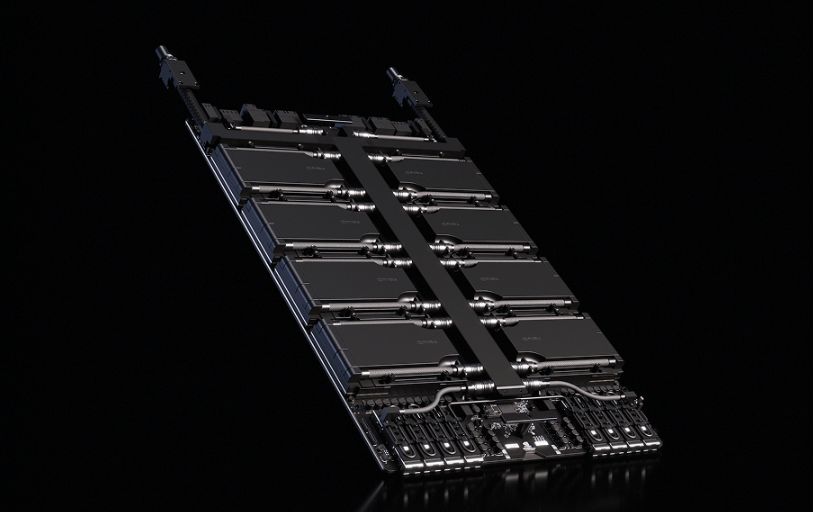
In April 2026, the center further launched the "Ascend 384 Super Node" based on Huawei Ascend 910C chips. Composed of 12 computing cabinets and 4 bus cabinets, it delivers a total computing power of 300 PFlops. Utilizing Huawei's proprietary "Lingqu" high-speed interconnect technology, the data exchange speed between chips is increased fourfold, and cross-machine communication latency is compressed to within 50 milliseconds, making it the largest AI super node in the industry by scale.
The integrated computing-network services for the seven major industries each have clearly defined scenarios. The government affairs sector provides "computing power + OTN dedicated line + cloud desktop + government affairs model," ensuring data remains within the domain. The manufacturing sector uses "computing power + OTN dedicated line" to achieve production line upgrades and millisecond-level response for AI quality inspection. The cultural tourism sector offers "rendering computing power + OTN dedicated line + high-speed storage," supporting on-demand usage and eliminating the one-time investment of hundreds of thousands for workstations. The financial sector uses "OTN dedicated line + quantum encryption" to ensure millisecond-level arrival of transaction instructions and full data encryption. Hubei Mobile simultaneously released the "Tokens Super Entrance," relying on China Mobile's self-developed MoMA platform to integrate computing power, models, applications, and security capabilities into a unified package, lowering the threshold for AI applications.
This launch is an important initiative by Hubei Mobile to implement the Ministry of Industry and Information Technology's (MIIT) special action for metropolitan "millisecond computing usage." The MIIT has designated Wuhan as one of the 50 pioneering regions nationwide for 2026, requiring the enhancement of efficient computing power transport capacity and promoting the integrated development of computing and networks.
This article is compiled by Wedoany. All AI citations must indicate the source as "Wedoany". If there is any infringement or other issues, please notify us promptly, and we will modify or delete it accordingly. Email: news@wedoany.com
Related Products



Comprehensive Mining Automation Control System
Beijing Tianma Intelligent Control Technology Co., Ltd.




Industrial and Commercial Point-Type Gas Detector
Jinan Benan Technology Development Co., Ltd.

GYTA Type Non-Self-Supporting Aerial/Duct Optical Cable
TONGDING INTERCONNECTION INFORMATION CO., LTD.
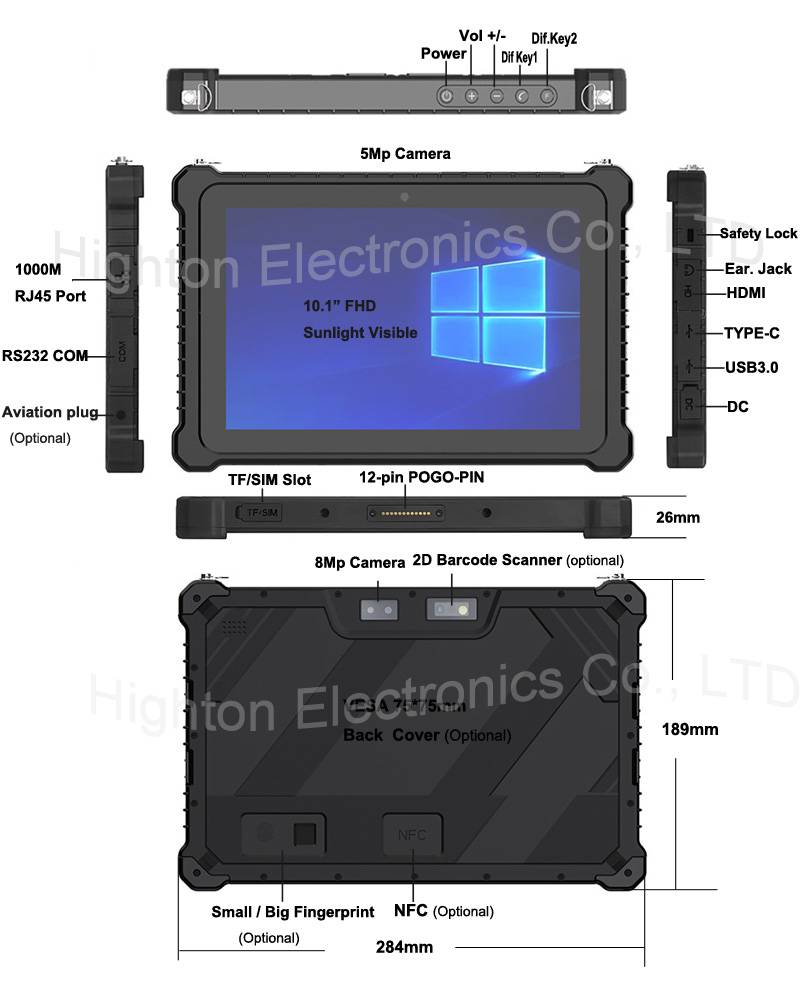
Hot Selling 10 Inch Intel N5100 I5 I7 FHD 8 +128GB 16+256GB Win10 Pro Win11 Pro 4G 5G Rugged Tablet PC Pad with NFC Barcode
Highton Electronics Co., Ltd.