EU's New Antibiotic Regulations Force Brazil's Beef Cattle Industry to Adjust Nutritional Formulas
en.Wedoany.com Reported - The European Union has imposed stricter antibiotic residue standards on Brazilian beef exports, forcing the Brazilian beef cattle industry to reassess existing nutritional formulas. Animal nutritionists point out that performance-enhancing additives such as virginiamycin are bearing the brunt and have become the core target of EU restrictions.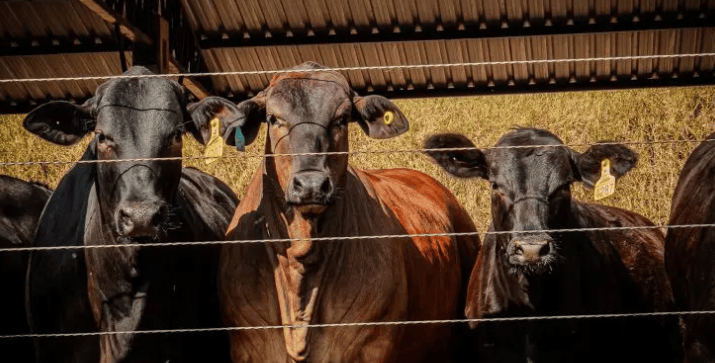
Starting this April, the EU has strengthened regulatory requirements for antibiotic use in beef production, mandating that beef exported to the EU market must be completely free of specific antibiotic components. Dhones Rodrigues de Andrade, a Doctor of Animal Science in Brazil and Technical Director of Facholi Sementes e Nutrição, stated in an interview that the current situation involves a combination of health, trade, and diplomatic factors. He noted that Brazil's competitors in the European market, Uruguay, Chile, and Argentina, have already established stricter "antibiotic-free" production protocols, while Brazil still needs to find a way forward through technical alternatives and diplomatic negotiations.
In Brazil's intensive finishing systems, the combined use of monensin and virginiamycin has long been the core nutritional strategy for improving feed conversion efficiency, stabilizing rumen function, and promoting weight gain. Dhones explained that under high-energy diet conditions, the synergistic effect of the two additives significantly improves production performance and reduces the risk of metabolic disorders. He emphasized that virginiamycin complements the effects of monensin, providing a higher level of nutritional safety for the finishing process.
However, the new EU regulations require complete supply chain proof, confirming that these compounds were not used at all during the beef production process. Dhones stated that the EU is pursuing "zero use" rather than a "safe limit," which poses a direct challenge to Brazil's current production model. The Brazilian industry is currently exploring two response paths: one is to seek partial exemptions through diplomatic negotiations, and the other is to establish a completely segregated and highly traceable "antibiotic-free" beef exclusive supply chain.
The business community is intensifying efforts to develop alternatives, including the use of non-antibiotic additives such as essential oils, yeasts, and plant extracts to improve the rumen microenvironment. However, Dhones pointed out that existing alternatives are difficult to comprehensively surpass antibiotics in effectiveness and require higher dosages, directly driving up diet costs. He stated that the ultimate pressure of rising production costs will be transmitted to the ranch level, and the key lies in whether producers can obtain corresponding premium compensation.
Despite policy pressures, the scale of Brazilian feedlots continues to expand. Market data shows that currently about 20% of Brazilian beef cattle are marketed through intensive finishing systems, a proportion that has grown significantly over the past decade. Dhones believes that even if there are short-term slowdowns due to livestock cycles, breeding female inventories, and restocking cost fluctuations, the structural expansion trend remains unchanged.
The industry widely believes that the controversy surrounding antibiotic use has transcended mere sanitary issues and is evolving into a new round of technical trade barriers. The Brazilian government and animal nutrition companies are responding through diplomatic and research and development channels respectively, but the industry consensus is that any change will impact the internal cost structure of ranches. Without a corresponding market premium mechanism, the production end will find it difficult to absorb the additional costs.
This article is compiled by Wedoany. All AI citations must indicate the source as "Wedoany". If there is any infringement or other issues, please notify us promptly, and we will modify or delete it accordingly. Email: news@wedoany.com
Related Products


Industrial and Commercial Point-Type Gas Detector
Jinan Benan Technology Development Co., Ltd.
714CD Series C-Band Weather Radar
Chengdu Zhongdian Jinjiang Information Industry Co., Ltd.
4HS-8 High-efficiency Peanut Inverted-laying Harvester
Hebei Yongfa Hongtian Agricultural Machinery Manufacturing Co., Ltd.