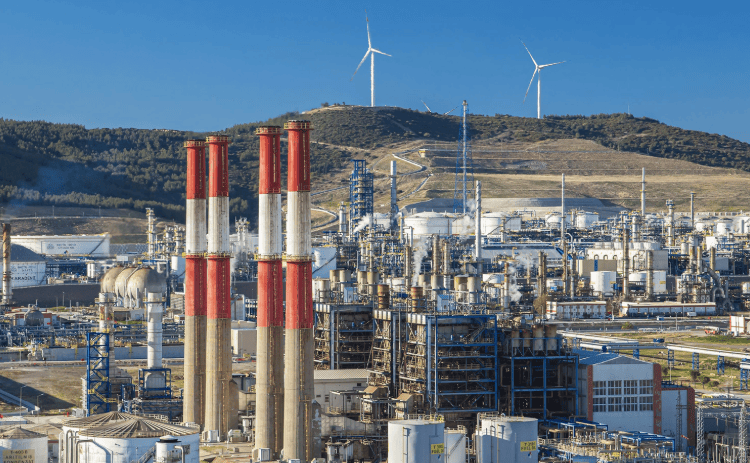
Korea Research Institute of Chemical Technology, GS E&C, and Hanwha TotalEnergies Complete Pilot Plant for Direct CO₂ Hydrogenation to Liquid Hydrocarbons
en.Wedoany.com Reported - A South Korean research team has developed a technology that directly converts carbon dioxide into liquid hydrocarbons such as gasoline and naphtha. A pilot plant with a daily production capacity of 50 kilograms has been built and is scheduled to commence operation by the end of 2025. This progress is expected to offer a new pathway for replacing petroleum derivatives and reducing industrial emissions.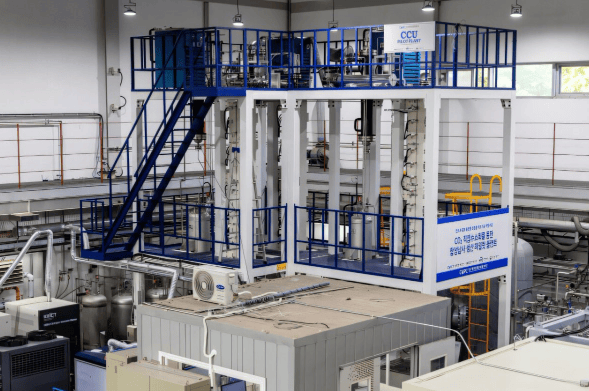
The project is led by Jeong-Rang Kim, a researcher at the Korea Research Institute of Chemical Technology, with partners including GS Engineering & Construction and Hanwha TotalEnergies. The core of the technology is a novel catalytic system that completes the direct hydrogenation of carbon dioxide and hydrogen in a single reaction process, eliminating the high-temperature pre-treatment step exceeding 800 degrees Celsius required in the conventional two-step method. Operating temperatures are controlled between 270 and 330 degrees Celsius and pressures between 10 and 30 bar, significantly simplifying the industrial process.
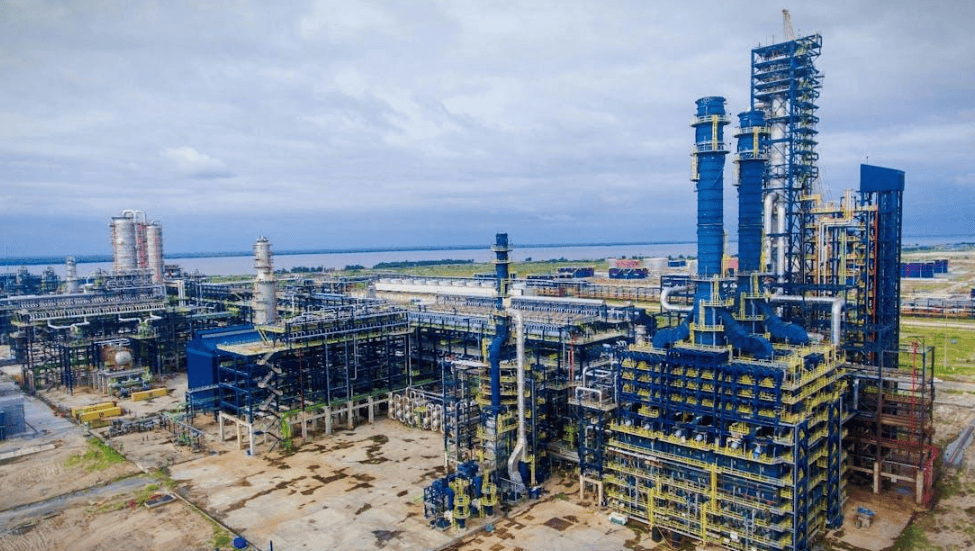
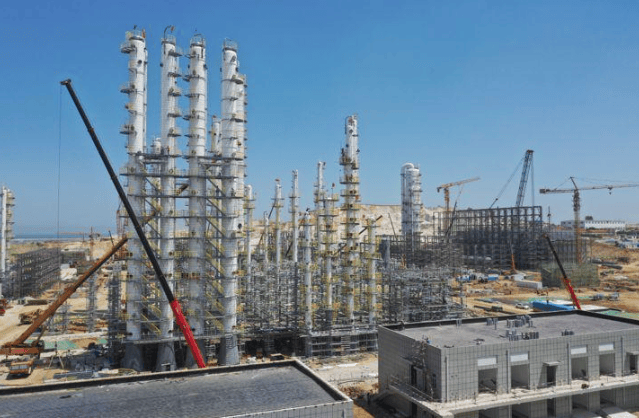
The research is part of the "Carbon Resource Platform Chemicals" project promoted by South Korea's Ministry of Science and ICT. The team had already built a small-scale experimental unit with a daily capacity of 5 kilograms in 2022 and transferred the technology to participating companies. The newly constructed pilot plant is South Korea's first direct CO₂ hydrogenation facility, with a daily output equivalent to approximately three 20-liter fuel drums. Through multi-stage reactions and recycling of unreacted materials, the current synthesis efficiency for liquid hydrocarbons approaches 50%.
The next phase aims to design a commercial-scale plant with an annual production capacity exceeding 100,000 tons. The technological roadmap envisions converting CO₂ emissions from power plants and factories into automotive fuels and petrochemical feedstocks, thereby partially replacing imported fossil resources. The researchers noted that when combined with renewable energy, the technology can serve as a core module for Power-to-Liquids (PtL) systems, producing sustainable liquid fuels using renewable electricity, captured CO₂, and green hydrogen.
The team plans to collect data through long-term operational optimization of the pilot plant, providing a basis for commercial plant design, economic feasibility analysis, and large-scale greenhouse gas reduction assessment. The researchers believe that if commercialized, it could significantly reduce dependence on imported oil and enhance energy security through a new feedstock system based on recycled carbon.
This article is compiled by Wedoany. All AI citations must indicate the source as "Wedoany". If there is any infringement or other issues, please notify us promptly, and we will modify or delete it accordingly. Email: news@wedoany.com
Related Products

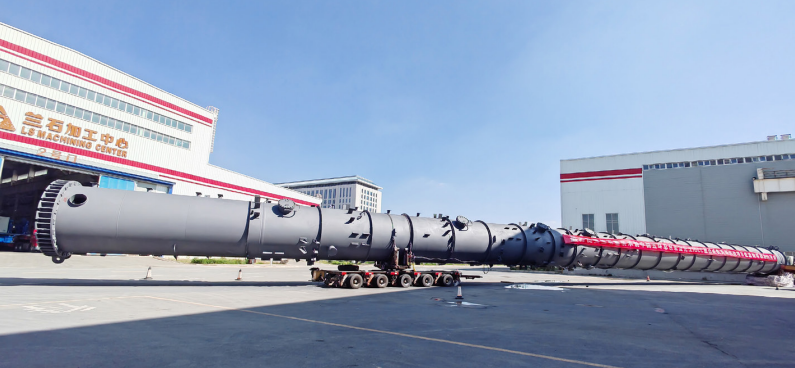
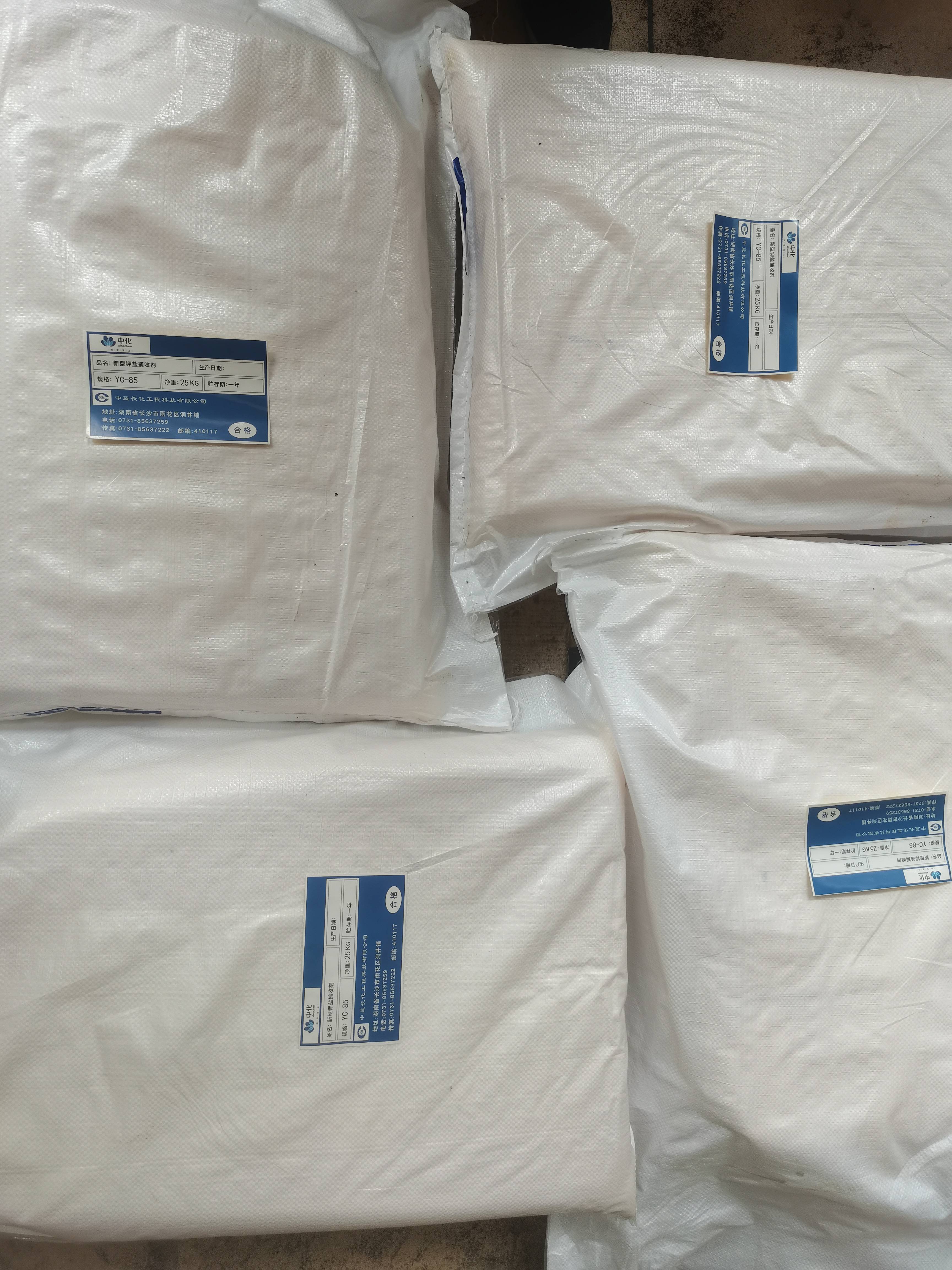
New Environmentally Friendly Green Potassium Salt Collector
Chonfar Engineering and Technology Co., Ltd.

High Thermal Conductivity Encapsulating Resin
Nantong BESALL Sealing Technology Company.,Limited
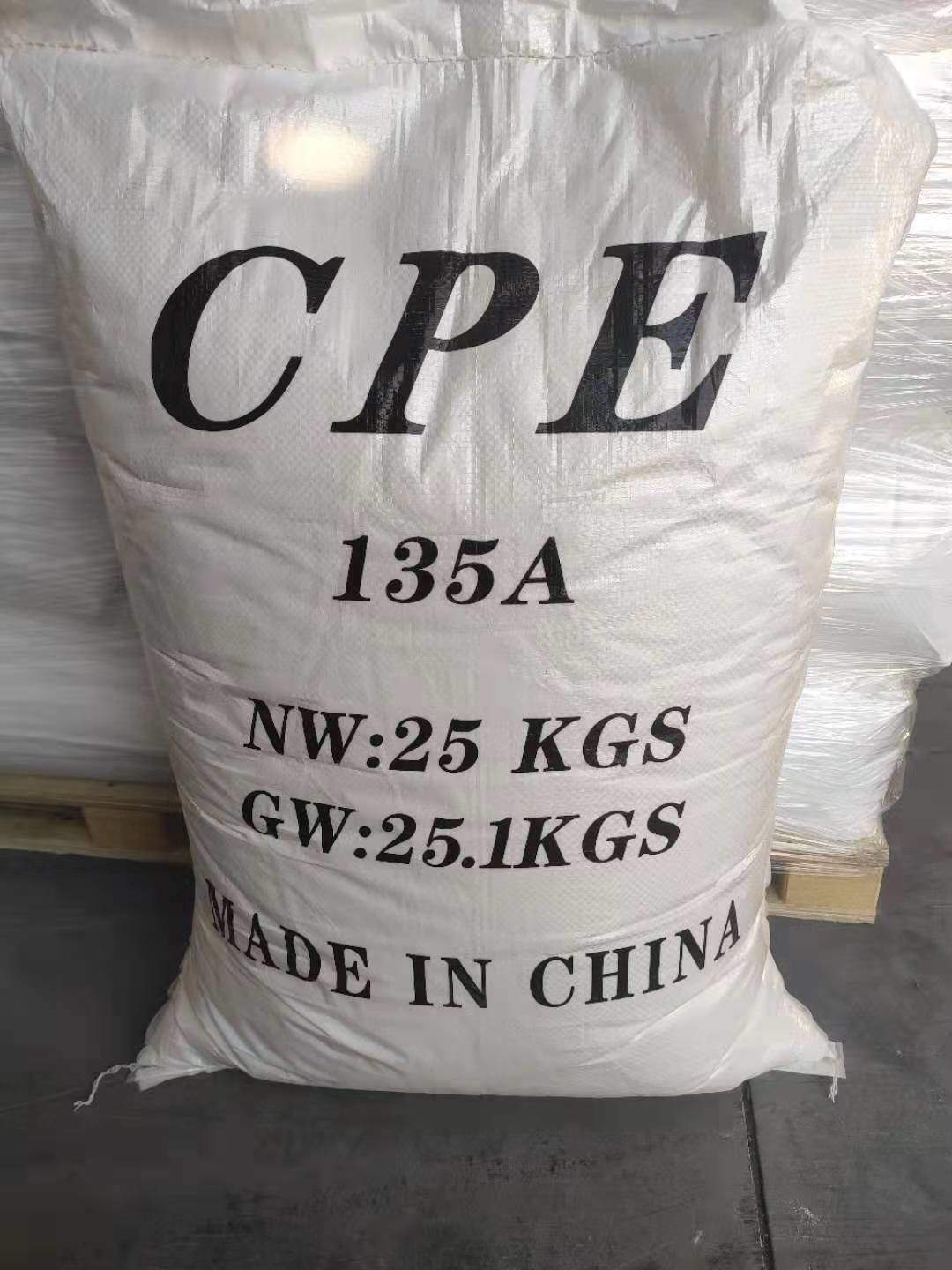
PVC Impact-Modified Chlorinated Polyethylene
Gansu Jinchuan Hengxin Polymer Technology Co., Ltd.

Industrial and Commercial Point-Type Gas Detector
Jinan Benan Technology Development Co., Ltd.