Indian Cabinet Approves 375 Billion Rupee Coal Gasification Plan
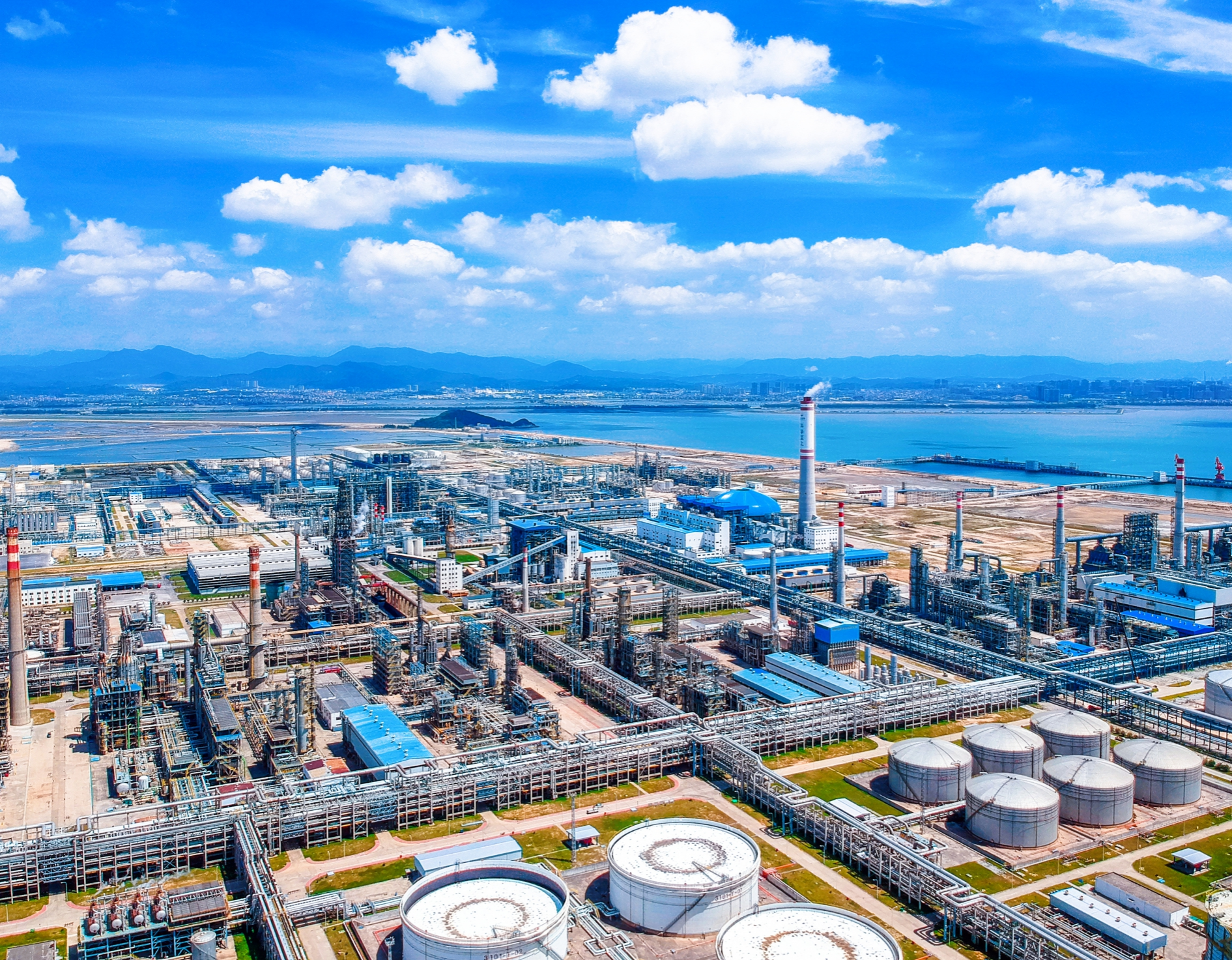
en.Wedoany.com Reported - The Indian Union Cabinet has formally approved a coal-to-gas incentive scheme with a total outlay of 375 billion rupees (approximately 3.9 billion USD), aimed at promoting surface coal and lignite gasification projects through competitive bidding, helping India achieve its overall target of gasifying 100 million tonnes of coal by 2030.
The scheme, fully named the "Scheme for Promotion of New Surface Coal/Lignite Gasification Projects," will fund approximately 25 projects for the production of syngas and downstream products, targeting the gasification of about 75 million tonnes of coal and lignite. Union Minister of Information and Broadcasting Ashwini Vaishnaw stated at a cabinet briefing: "India has extremely abundant coal reserves, sufficient for the next 200 years. We want to utilize this coal to produce natural gas." He also pointed out that, given the current geopolitical situation, self-reliance must be promoted, and all 25 projects are expected to commence production within four to five years.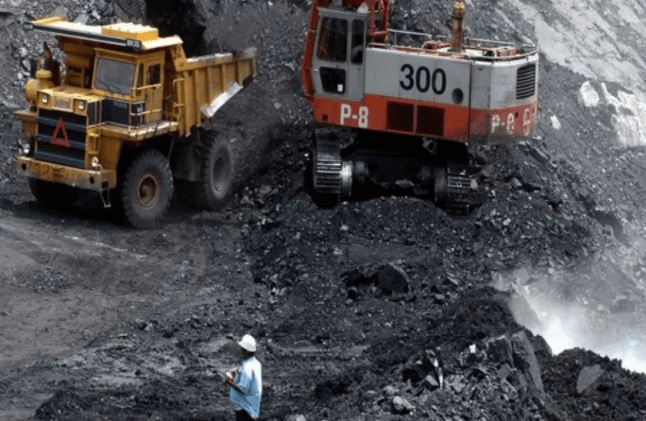
According to the scheme's arrangement, eligible projects can receive a financial incentive of up to 20% of the plant and machinery cost, disbursed in four equal installments based on project milestones. The incentive cap for a single project is 50 billion rupees, the cap for a single product category (excluding synthetic natural gas and urea) is 90 billion rupees, and the cumulative cap for the same corporate group is 120 billion rupees. The government has also extended the coal supply contract period for coal gasification projects to 30 years.
The Indian government estimates that the scheme will attract investments of approximately 2.5 trillion to 3 trillion rupees and create around 50,000 direct and indirect jobs. Currently, India relies on imports for over 50% of its liquefied natural gas, about 20% of its urea, nearly 100% of its ammonia, and 80% to 90% of its methanol demand. The advancement of coal-to-gas projects is expected to significantly reduce dependence on imported energy and chemical raw materials.
This article is compiled by Wedoany. All AI citations must indicate the source as "Wedoany". If there is any infringement or other issues, please notify us promptly, and we will modify or delete it accordingly. Email: news@wedoany.com
Related Products


Mineral-insulated Compact Busway (Fire-resistant Busduct)
Zhuhai Guangle Electric Busway Co., Ltd.
HI-Pro Green Hydrogen High-efficiency Production System-HI-PRO-AEM
Hydrizon Technology (Beijing) Co., Ltd.
IGBT Hydrogen Production Power Supply - High Power Air Cooling
Beijing Zhengzhuo Engineering Technology Co., Ltd.
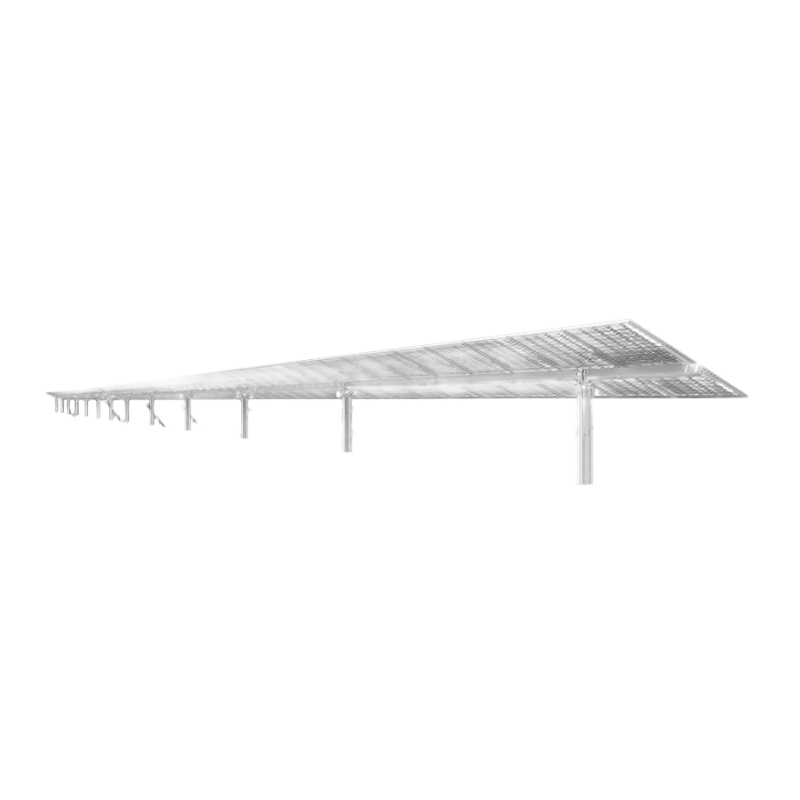
TAI Slew-drive Single-axis Independent 1P Tracking Bracket System
ANTAI TECHNOLOGY CO., LTD.
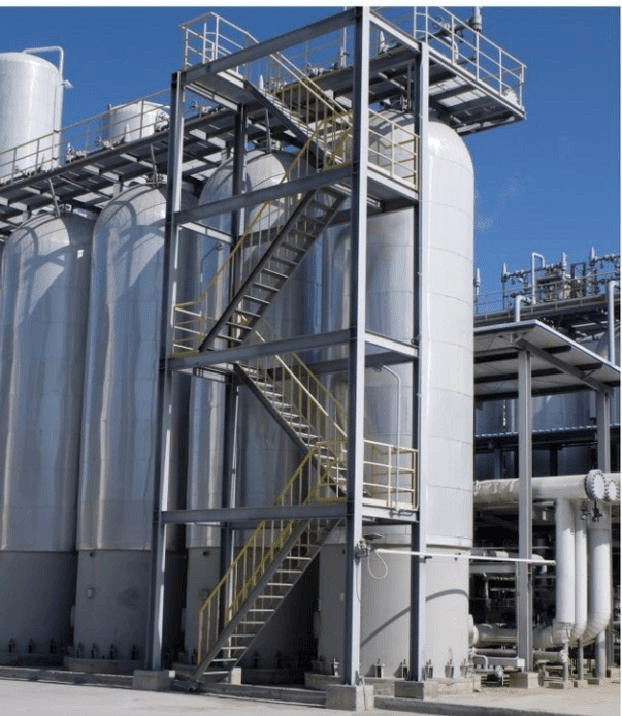
Hydrogen Production Technology: Hydrogen Purification by Pressure Swing Adsorption
Chengdu Yizhi Technology Co., Ltd.
High-voltage Direct Current (HVDC) Transmission System Research and Integrated Design
XI'AN XD POWER SYSTEMS CO., LTD.