Overseas Grid Expansion Creates Export Opportunities, but Power Line Fittings Must Address Standards and Localization
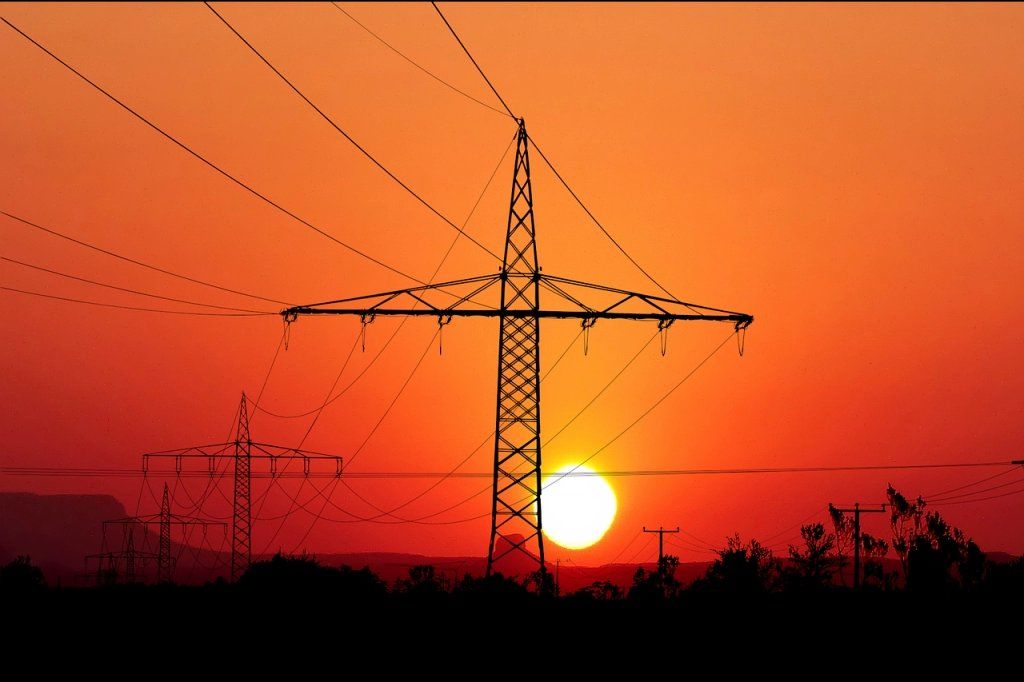
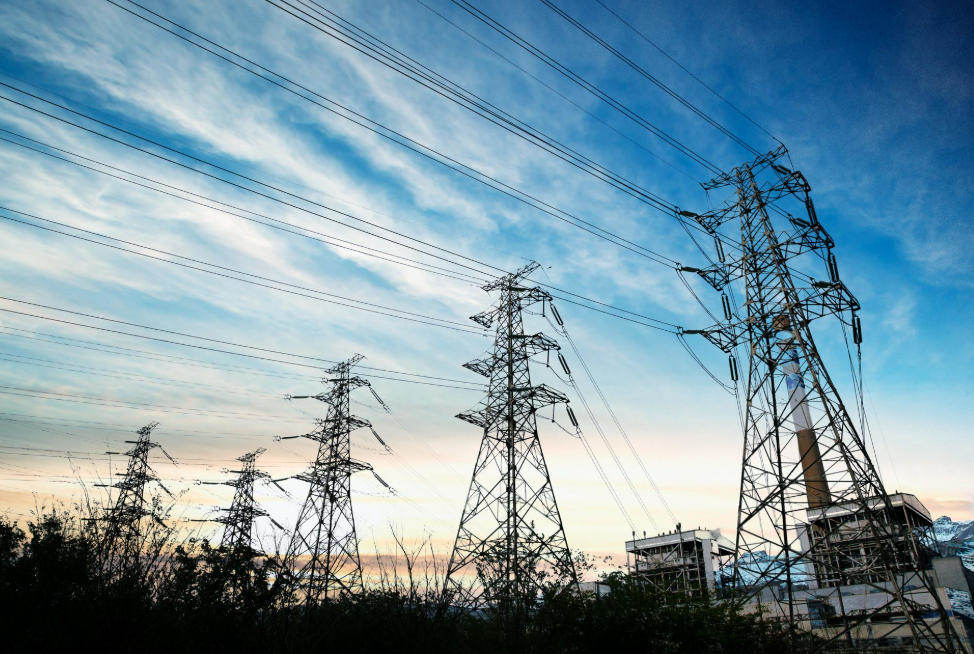
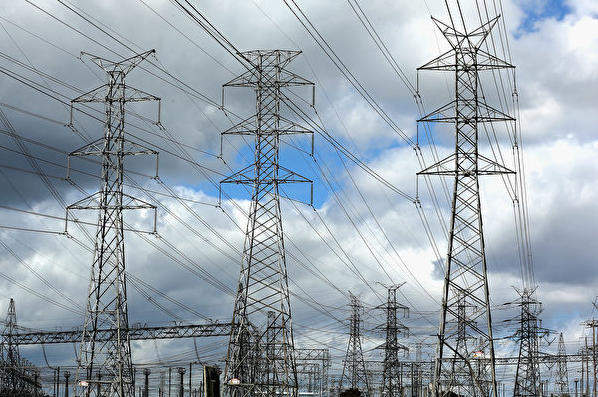
Global electrification, urbanization and renewable energy development are driving overseas grid investment, creating export opportunities for Chinese power line fitting manufacturers. Southeast Asia, the Middle East, Latin America and Africa are advancing transmission lines, distribution networks, renewable energy delivery and rural electrification projects, increasing demand for Power Line Fittings. The IEA notes that annual global grid investment needs to rise significantly by 2030, a trend that affects not only advanced economies but also emerging and developing markets.
However, exporting power line fittings is not simply about selling domestic products overseas. Different countries and regions use different standard systems, including IEC, ANSI, BS, DIN, AS/NZS and local utility specifications. Mechanical load, dimensional interfaces, material grades, galvanizing thickness, insulation coordination, packaging, transportation and testing requirements may all differ. If companies quote only based on domestic standard models, problems can arise during technical clarification, sample testing or field installation.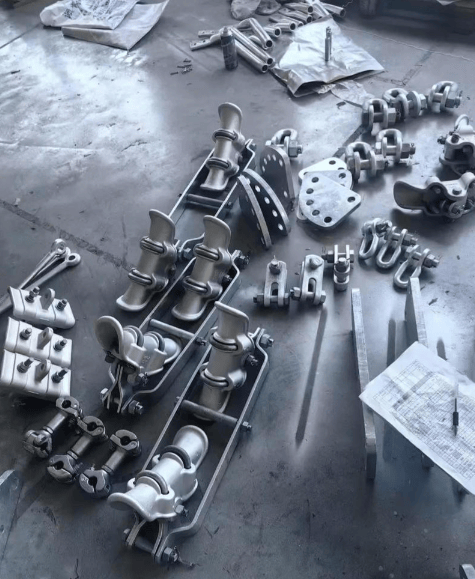 Local environments are also critical. The Middle East has high temperatures, sand and strong ultraviolet exposure. Southeast Asia faces high humidity, salt fog and frequent thunderstorms. Some African regions have limited maintenance conditions, requiring higher durability and easier installation. Mountainous lines in Latin America may face strong winds, complex terrain and long-distance transportation. Export-oriented fittings must be adapted to local climates, construction conditions and maintenance capabilities.
Manufacturers expanding overseas should build three capabilities. The first is standards conversion, turning customer specifications into product design and testing requirements quickly. The second is local engineering support, including English documentation, installation guidance, sample testing and field response. The third is project experience accumulation, forming a database of material, packaging, corrosion protection, transportation and installation issues from different countries.
Future export competition for Power Line Fittings will not be based on price alone. It will depend on standards understanding, engineering adaptation and local service capability. Companies that succeed overseas will not only provide qualified products, but also help customers reduce line construction and maintenance risks.
Related Products

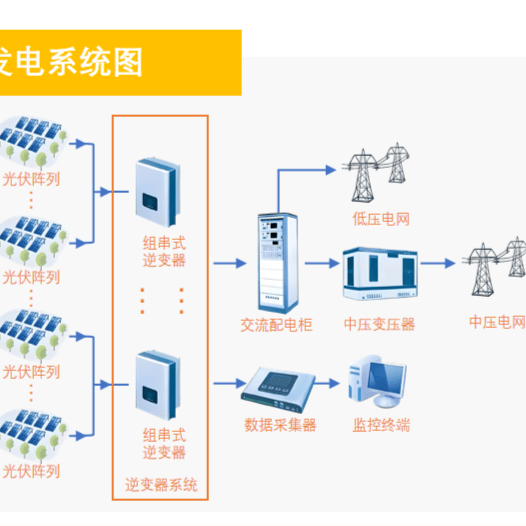
Photovoltaic and Wind Power Generation Technology
Beijing Boqi Electric Power SCI-TECH Co., Ltd.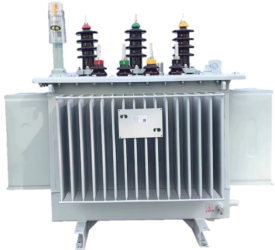
Oil-immersed Amorphous Alloy Core Distribution Transformer
Pinggao Group Smart Electric Co., Ltd.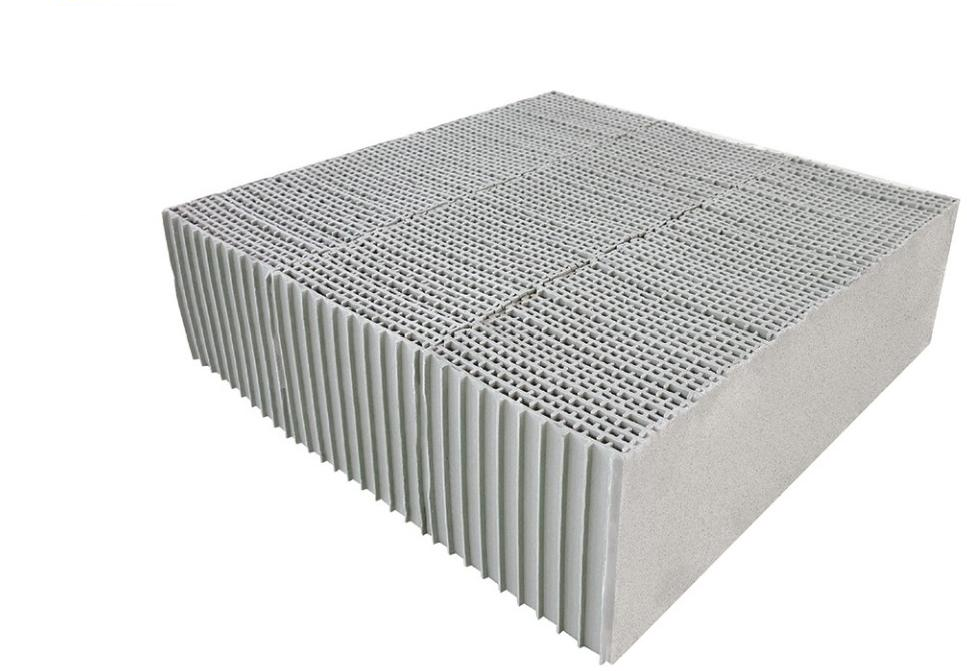
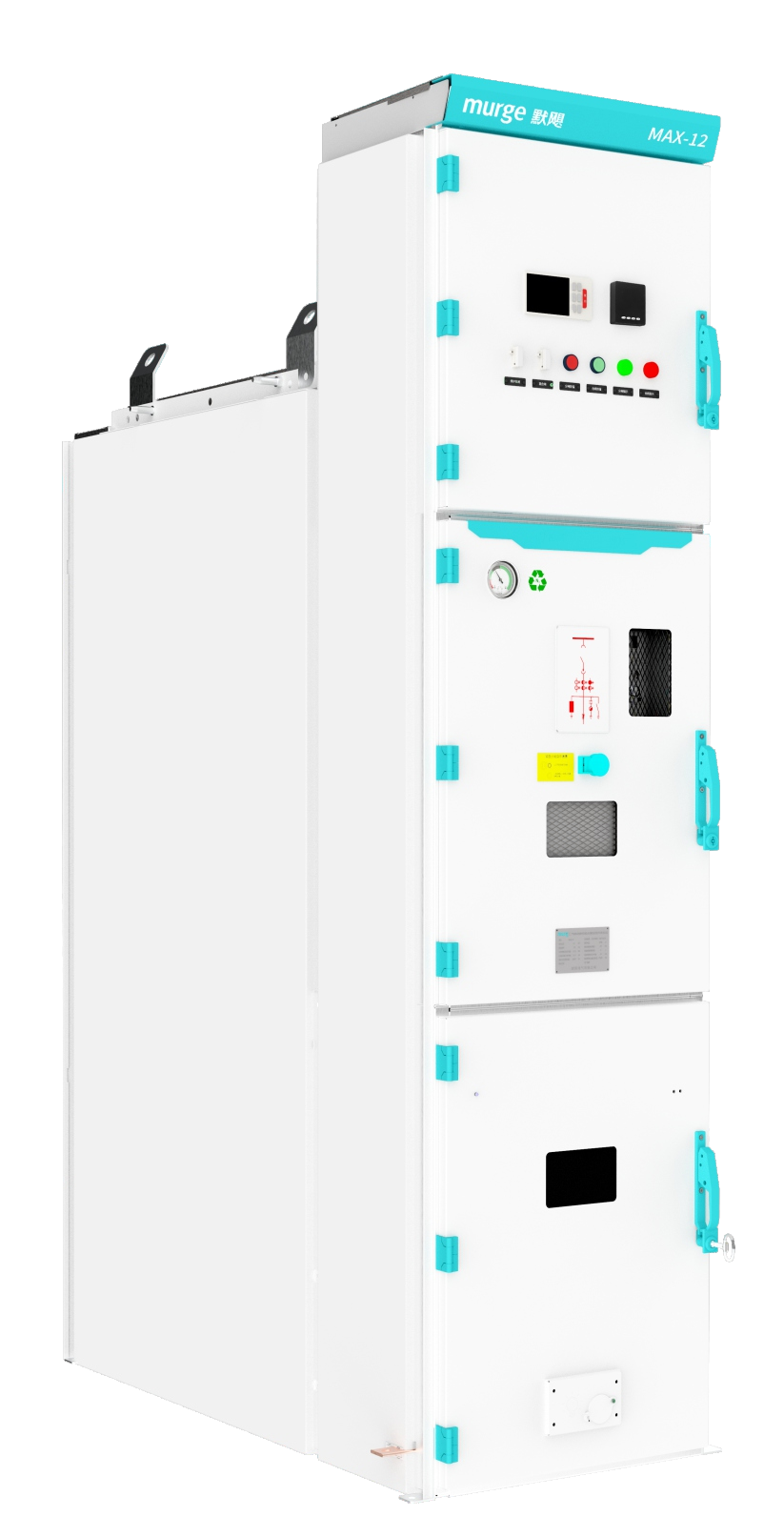
MAX-12 series Environmental Protection/SF6 gas insulated switchgear (C-GIS)
Murge Electric Co.,Ltd.
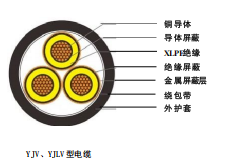
Rated Voltage 6-35kV Cross-linked Polyethylene Insulated Power Cable
TONGDING INTERCONNECTION INFORMATION CO., LTD.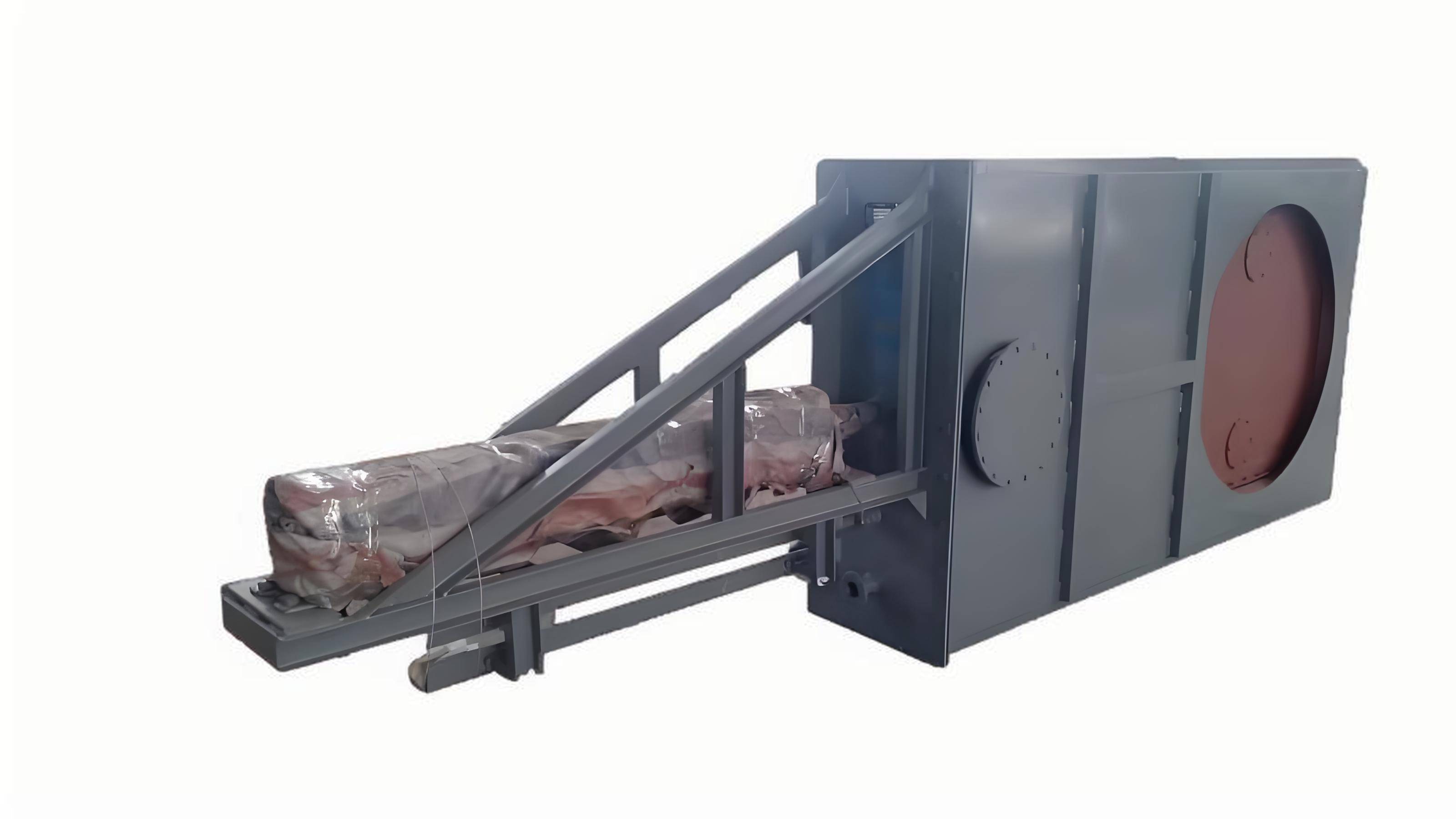
Double-slide Triple-sealed Hot Air Isolation Door
Xi'an Yingchuan Electric Power Equipment Co., Ltd.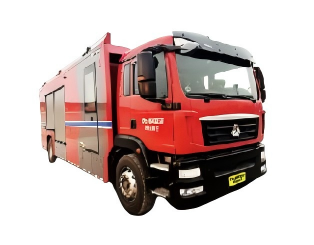
Modular Multifunctional Water Supply and Drainage Vehicle (18T)
Changsha Dewater Machinery Technology Co., Ltd.