Fault Cases Show That Power Line Fittings Selection Cannot Ignore Installation Quality
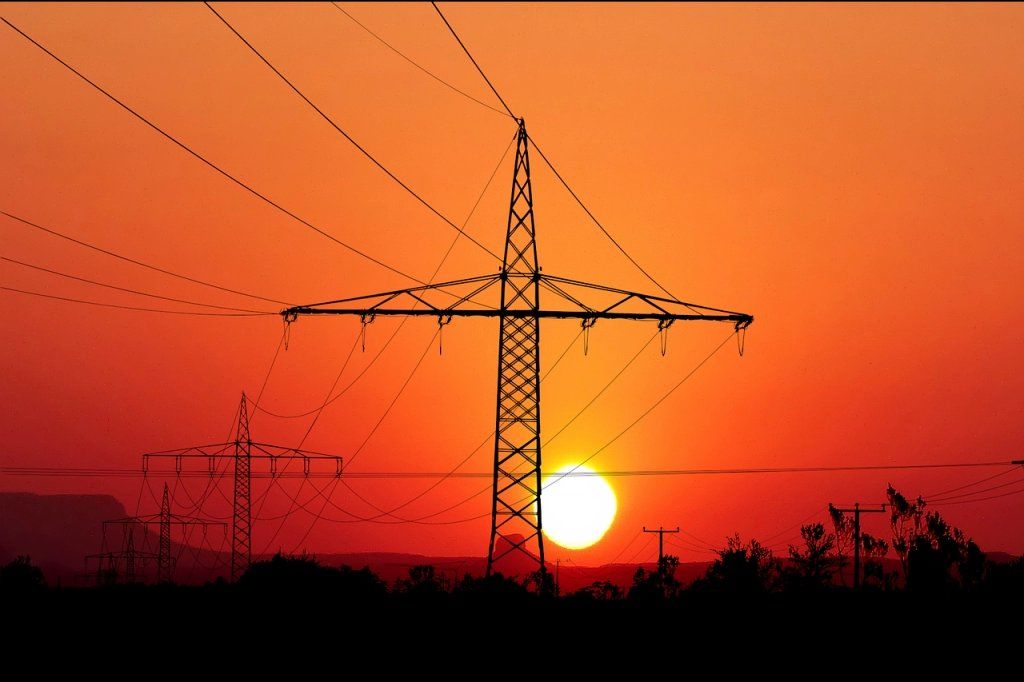
In transmission line operation, many fitting failures are not caused solely by defective products, but by a lack of closed-loop control across selection, installation and maintenance. Problems such as incomplete clamp compression, insufficient bolt torque, incorrect cotter pin installation, improper vibration damper positioning, loose jumper connections and poor insulation-piercing installation can gradually develop into overheating, wear, loosening or even conductor failure after commissioning.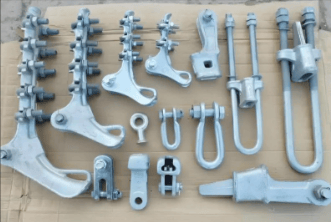 Therefore, the quality of Power Line Fittings should not be judged only during procurement. It must extend into construction and installation. Even high-quality fittings may perform poorly if installation tools are mismatched, workers are insufficiently trained, torque control is weak or compression records are missing. This is especially true in distribution lines, mountainous lines and renewable energy delivery lines, where complex construction environments can affect installation consistency.
The correct approach is to treat installation process control as part of fitting selection. Tender documents and technical agreements should define special tools, compression dies, installation torque, construction steps, acceptance criteria and photo-record requirements. For critical fittings, manufacturers should provide installation training and first-article confirmation on site to ensure that construction teams understand correct procedures. Compression and splicing fittings should use serial number management, recording operator, tool model, compression parameters and acceptance photos.
Many negative cases occur in projects where the product is qualified but installation is uncontrolled. Some lines experience overheating at splicing points after commissioning, and inspection shows that the cause is not material failure but incomplete compression or poor contact-surface treatment. If such problems are not identified during construction, they can only be addressed later through outage maintenance, increasing cost and impact.
Future fitting management should move from “qualified procurement” to “qualified installation and qualified operation.” Owners, contractors and manufacturers should build a closed-loop system covering factory release, arrival inspection, installation training, site sampling and post-commissioning inspection. The reliability of Power Line Fittings ultimately results from both product quality and installation quality.
Related Products
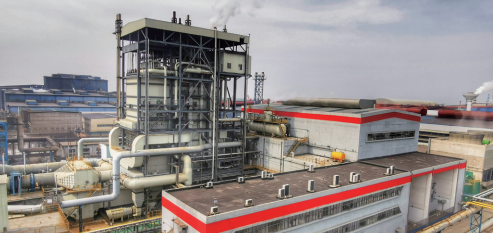

Jiujiang Pinggang 125MW Subcritical Gas Power Generation Project
Capital Engineering & Research Incorporation Limited
Off-Grid Fuel Cell Supercharging Station (180kW Configuration)
Shanghai REFIRE Group Limited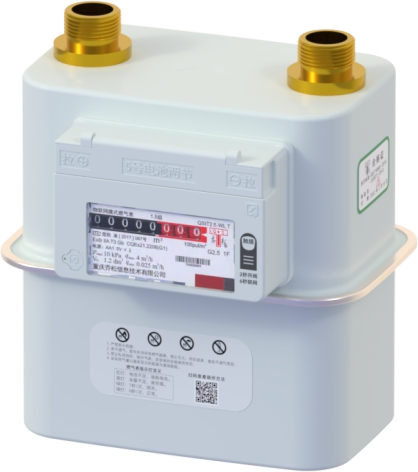
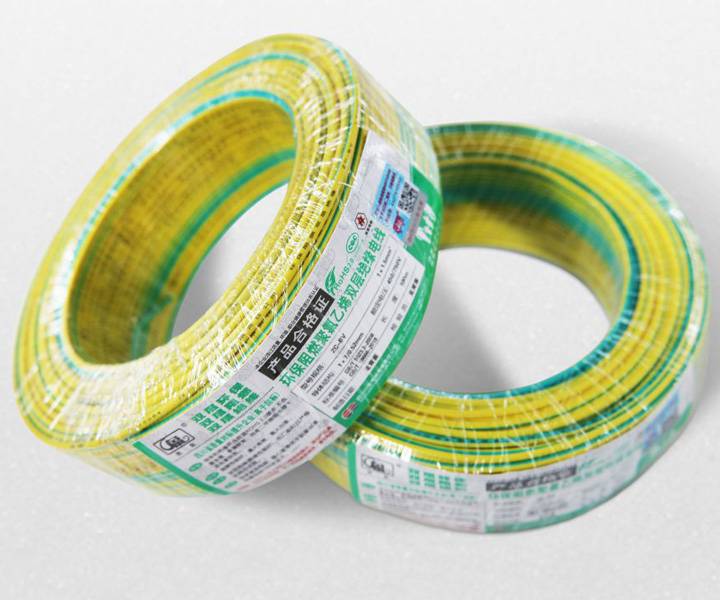
Environmentally Friendly Flame-retardant PVC Double-layer Insulated Wire
Sichuan Chndo Cable Co., Ltd.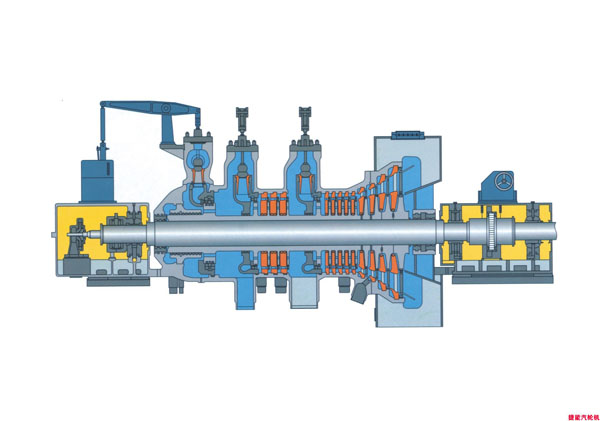

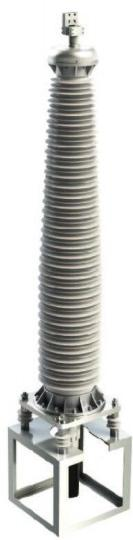
220kV Composite Outdoor Cable Terminal
Shenyang Guolian Cable Accessories Manufacture Co., Ltd.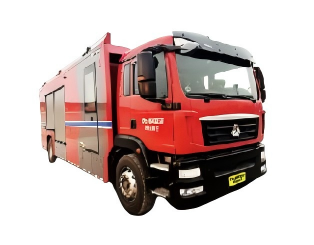
Modular Multifunctional Water Supply and Drainage Vehicle (18T)
Changsha Dewater Machinery Technology Co., Ltd.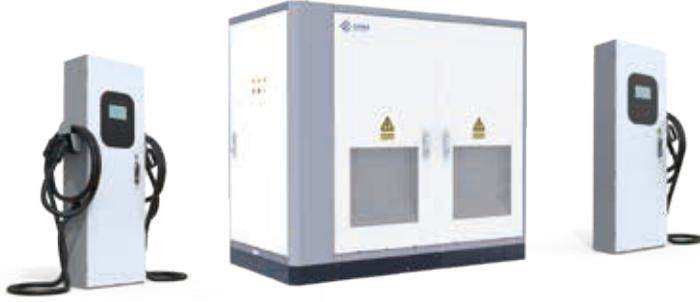
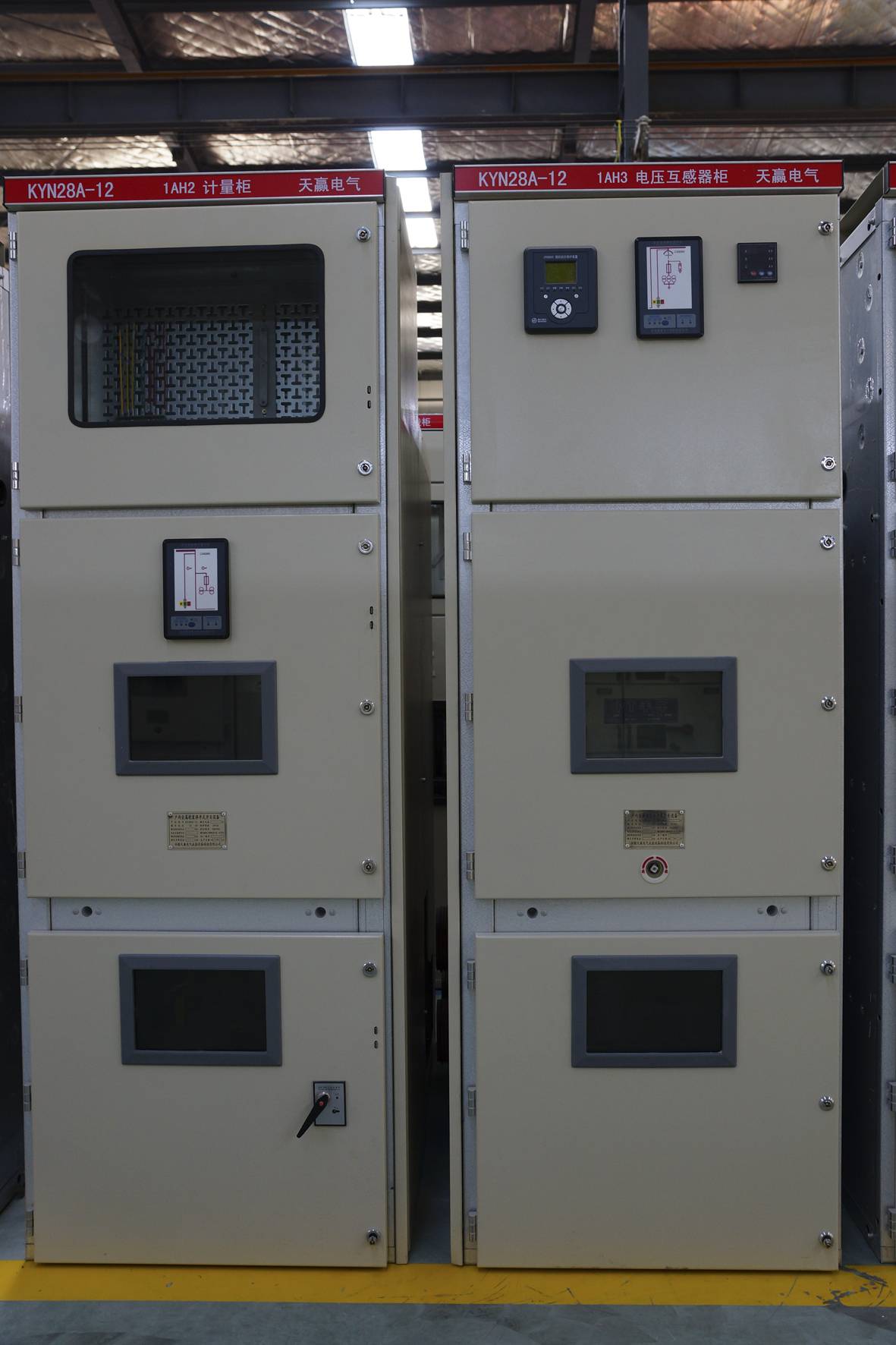
KYN28 - High Voltage Switchgear
Anhui Tianying Electrical Equipment Manufacturing Co., Ltd.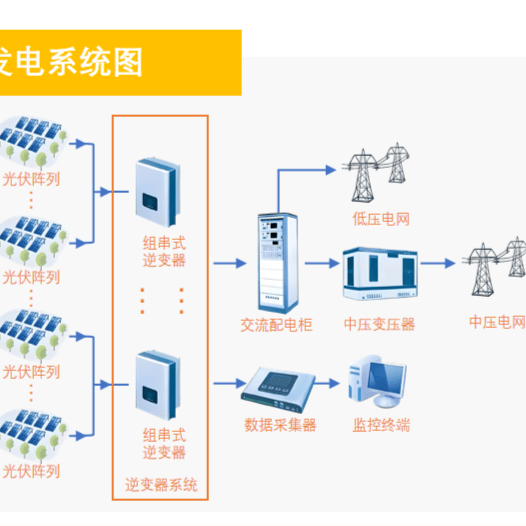
Photovoltaic and Wind Power Generation Technology
Beijing Boqi Electric Power SCI-TECH Co., Ltd.